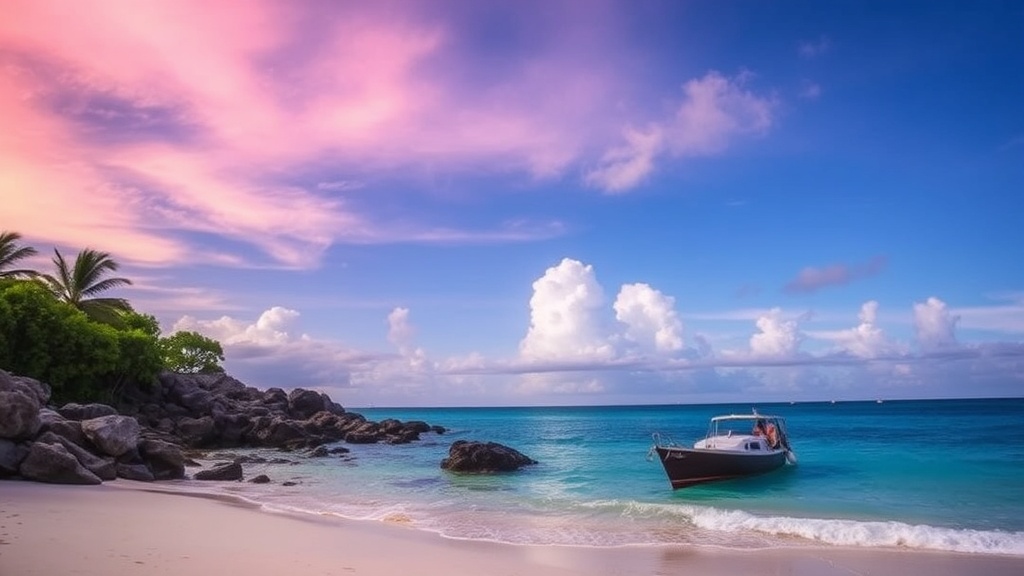
7 Secret Caribbean Beaches Only Locals Know About

This post reveals seven Caribbean beaches that haven't made it onto the tourist radar—places where the sand isn't packed with resort umbrellas and the water hasn't been Instagrammed to death. You'll discover how to reach these hidden stretches of coastline, what makes each one special, and why skipping the crowded hotspots might be the best travel decision you make this year.
Why Visit Lesser-Known Caribbean Beaches Instead of Popular Resorts?
The quiet truth? You get more coastline per person. Less fighting for lounge chairs, lower prices on everything from seafood to snorkeling gear, and conversations with locals who aren't reciting a script. The trade-offs exist—fewer amenities, sometimes trickier access—but for travelers who value authenticity over convenience, these spots deliver.
Here's the thing: tourism boards don't promote these places. They're too small, too remote, or lack the infrastructure for mass arrivals. That's exactly why they remain pristine.
What Are the Best Secret Beaches in the Caribbean for Avoiding Crowds?
The best hidden beaches combine clear water with minimal foot traffic, local character, and at least one unique feature you won't find replicated on a thousand postcards.
1. Playa Frontón, Dominican Republic
Three miles of powder-white sand backed by limestone cliffs. No roads lead here—you'll hike 45 minutes from Las Galeras or charter a fishing boat from Samaná. The reward? Sea turtles nest here from March through August, and the reef offshore offers some of the Caribbean's healthiest coral.
The catch? Pack everything you'll need. No vendors. No bathrooms. Just you, the water, and the occasional local fisherman checking his traps.
2. Anse La Roche, Grenada
On the undeveloped north coast of Carriacou island, this beach requires a steep downhill hike or a boat drop-off. The sand feels like crushed sugar, and the snorkeling along the rocky eastern point reveals parrotfish, spotted eagle rays, and the occasional nurse shark resting in the shallows.
Worth noting: Tuesday and Wednesday afternoons bring a handful of charter boats from Grenada's main island. Arrive before 10 AM or after 3 PM for solitude.
3. Lime Cay, Jamaica
Fifteen minutes by water taxi from Kingston's Port Royal, this tiny island sits where the harbor meets the open Caribbean. The sand beach wraps around coral formations that shelter calm, glassy water on the leeward side. Locals from Kingston come here on weekends with coolers of Red Stripe and grilled snapper.
You'll pay about $20 USD for round-trip boat transport—negotiate directly with captains at the Fisherman's Village rather than booking through hotels.
4. Chatham Bay, St. Vincent and the Grenadines
A perfect crescent on Union Island's western shore, accessible only by boat or a rugged hiking trail. Two small beach bars—Sweet Restaurant and a locally-run spot serving lobster caught that morning—provide the only development. The snorkeling here ranks among the best in the Grenadines, with sea fans and brain coral visible in eight feet of water.
5. Glover's Reef, Belize
Technically an atoll rather than a single beach, this UNESCO World Heritage site sits 36 miles off the Belize coast. Sailing Totem—a family blog documenting circumnavigation—describes the camping platforms here as "the closest you'll get to sleeping on a deserted island." The Wildtracks manatee rehabilitation center operates nearby, and morning kayak trips often spot the gentle giants grazing in seagrass beds.
Access requires either a charter flight to Dangriga followed by boat, or joining a multi-day sailing charter. Basic campsites rent for $25-40 per night; bring your own water and provisions.
6. Anse Couleuvre, Martinique
Black volcanic sand meets rainforest on this northern Martinique beach. The drive alone—winding through sugarcane fields and past rum distilleries—justifies the trip. Once there, you're looking at 500 meters of shoreline backed by thick vegetation, with waves that attract local surfers but remain manageable for confident swimmers.
The beach lacks facilities entirely. Stop at Leader Price in Le Carbet for supplies before heading north.
7. Little Bay, Anguilla
A pocket beach tucked between limestone outcrops, accessible only by boat or a challenging scramble down the bluff. The water here stays shallow for thirty meters offshore—perfect for wading with a drink in hand. Local charter captain Sandy Hill has been bringing visitors here for two decades and knows exactly where the sea turtles feed.
Which Caribbean Islands Have the Most Undiscovered Beaches?
The smaller, less-developed islands—those without major international airports—protect the majority of hidden coastline.
| Island | Beach Count | Development Level | Best For |
|---|---|---|---|
| Saint Vincent | 40+ | Minimal | Hiking access, raw nature |
| Carriacou (Grenada) | 12 | Very Low | Snorkeling, solitude |
| Union Island | 8 | Low | Sailing, kitesurfing |
| Dominica | 20+ | Low | Volcanic black sand, diving |
| Bequia | 15 | Moderate | Classic Caribbean charm |
That said, even developed islands like Jamaica and the Dominican Republic hide pockets of coastline that mass tourism hasn't touched—usually where roads end or terrain becomes challenging.
How Do You Find and Access Secret Beaches Safely?
Research gets you halfway. Local knowledge carries you the rest.
Start with satellite imagery—Google Earth reveals beach shapes, reef structures, and access roads that guidebooks miss. Then cross-reference with recent TripAdvisor forum posts or local Facebook groups. Look for mentions of "locals only," "hard to find," or specific hiking times.
Once on-island:
- Ask fishing boat captains, not hotel concierges
- Visit on weekdays—weekends bring domestic tourists
- Carry more water than you think you'll need ( dehydration hits faster in humidity)
- Download offline maps before leaving WiFi coverage
- Inform someone of your destination and return time
Access methods vary dramatically. Some beaches require boat charters ($50-200 depending on distance). Others need rental cars with four-wheel drive. A few—the truly hidden ones—demand 30-60 minute hikes through forest or across hills.
What to Pack for Remote Beach Days
No facilities means self-sufficiency. Here's what actually matters:
- Rash guard or long-sleeve swim shirt—reef-safe sunscreen alone won't block four hours of equatorial sun
- Water shoes with thick soles—urchins and coral fragments hide in sand
- Dry bag—sudden afternoon showers aren't uncommon
- Protein-rich snacks—banana chips, nuts, dried mango
- Cash in small bills—the occasional beach bar won't take cards
- Portable charger—GPS drains batteries fast
Skip the beach tent unless you're camping overnight. A simple umbrella provides enough shade and weighs less.
Reading Local Conditions
Caribbean waters look calmer than they are. Rip currents form in channels between reefs. Before entering unfamiliar water, spend five minutes watching:
- Where are the darker patches? (deeper water, possible current)
- Do fishing boats anchor in a specific zone? (usually the safest swimming area)
- Are there warning flags or local swimmers avoiding certain sections?
Never swim alone at remote beaches. The buddy system isn't paranoia—it's practical.
When Is the Best Time to Visit Caribbean Secret Beaches?
Mid-April through early June delivers ideal conditions across most of the Caribbean. The winter crowds have departed, hurricane season hasn't arrived, and water temperatures hover around 82°F (28°C).
September and October offer the lowest prices and emptiest beaches, but you're gambling with weather. Even without a direct hurricane hit, tropical storms can make boat access impossible and hiking trails treacherous.
Specific timing tips:
- Sea turtle nesting (Dominican Republic, Costa Rica's Caribbean coast): March through August, peak in May-June
- Whale watching (Samaná, Dominican Republic): mid-January through mid-March
- Bioluminescence (various bays): year-round, brightest during new moon phases
Respecting Local Communities
These beaches remain secret partly because locals protect them. Some guidelines:
- Don't geotag exact locations on social media
- Buy from local vendors even if resort prices seem cheaper
- Learn basic greetings in the local language—"good morning" goes further than you'd expect
- Observe Sunday customs—in many islands, beaches become family gathering spaces with specific cultural norms
The beaches listed here aren't theme parks. They're working coastlines where fishermen launch boats, children learn to swim, and communities have gathered for generations. Treat them accordingly.
Pack light. Leave no trace. And when you find yourself alone on a stretch of sand that doesn't appear in any guidebook—swim slowly, watch the frigatebirds circle overhead, and appreciate that some corners of the Caribbean still belong to the people who live there.