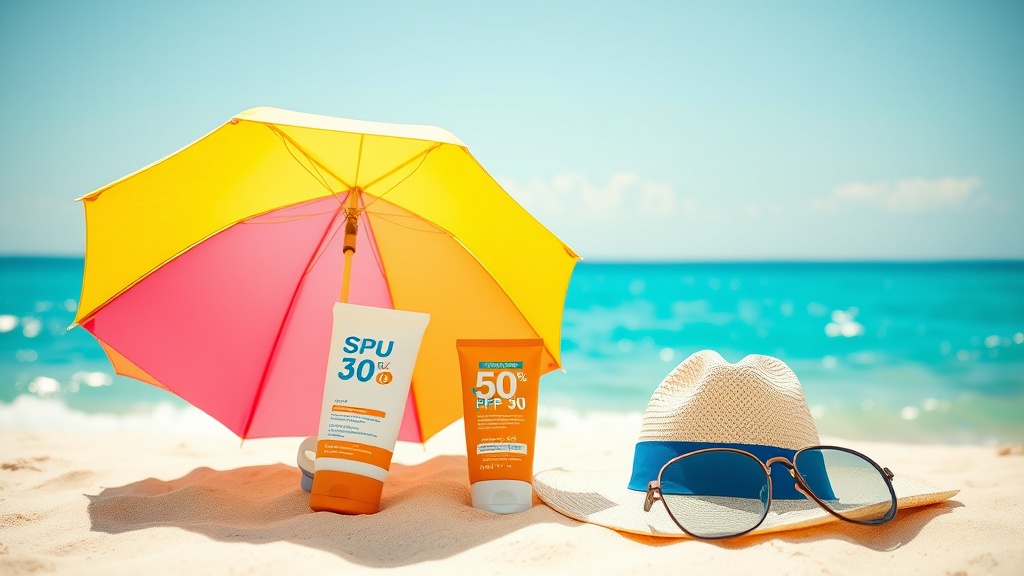
Beach Sun Safety Guide: How to Protect Your Skin and Have Fun

Beach Sun Safety Guide: How to Protect Your Skin and Have Fun
Ever spent a perfect day at the beach only to end up with a painful sunburn? It’s the worst combo of sand, surf, and regret. Below is a no‑fluff, step‑by‑step plan that keeps you safe, comfortable, and still soaking up that vitamin D (the safe way).
Why does sun protection matter on the beach?
UV rays are strongest between 10 am and 4 pm, and reflected sunlight off sand can boost exposure by up to 15 %. Even a short lapse can lead to sunburn, premature aging, and increased skin‑cancer risk (CDC). The good news? A few simple habits cut the risk dramatically.
What SPF should I use?
The American Academy of Dermatology (AAD) recommends a broad‑spectrum sunscreen with SPF 30 or higher that’s water‑resistant for at least 40 minutes (AAD). Here’s how to choose:
- Broad‑spectrum: Blocks both UVA (aging) and UVB (burn).
- SPF 30‑50: SPF 30 blocks ~97 % of UVB; SPF 50 blocks ~98 %—the difference is marginal.
- Water‑resistant: Look for “40 min” or “80 min” labeling.
How often should I reapply?
Even the best sunscreen washes off with sweat, saltwater, and toweling. Reapply every two hours, and immediately after swimming or heavy sweating. A quick tip: keep a travel‑size tube in your beach bag for easy touch‑ups.
What clothing protects me best?
Clothing can be a silent sunscreen. Choose tightly woven fabrics—canvas, denim, or specially‑rated UPF shirts. A wide‑brimmed hat (at least 3 inches all around) shields your face, ears, and neck. Don’t forget UV‑blocking sunglasses (look for 100 % UVA/UVB protection).
Where should I seek shade?
Midday sun is unforgiving. Set up a large beach umbrella or a pop‑up canopy with at least a 9‑foot diameter. Position it to block the sun’s path from east to west. If you’re at a public beach, scout for natural shade—palm trees or dunes work well.
How can I stay hydrated?
Dehydration sneaks up when you’re having fun. Aim for at least 1 liter of water per hour of exposure. Add electrolytes if you’re swimming or exercising. Avoid sugary sports drinks; they can increase thirst.
What are common sun‑safety mistakes?
- Skipping sunscreen on cloudy days: UV rays penetrate clouds; you still need protection.
- Relying on “natural” or “organic” sunscreens without SPF rating: They often lack broad‑spectrum coverage.
- Using the same sunscreen for weeks: Sunscreen degrades after 12 months—check the expiration date.
- Not protecting children: Kids’ skin is more sensitive; use SPF 50 and keep them in shade.
Pro tips from a beach‑obsessed traveler
- Apply sunscreen 15 minutes before you hit the sand; it binds better.
- Carry a small, reusable spray bottle of water to mist your face—helps keep sunscreen from sliding off.
- Pack a lightweight, packable UPF 50+ shirt; it’s a lifesaver on windy days when your hat flies away.
Quick internal resources you’ll love
For a deeper dive into beach packing, check out my Last‑Minute Spring Break Packing List. If you’re heading to a specific destination, see the 6 Best Beaches for March 2026 for local shade recommendations.
Takeaway
Sun safety isn’t a chore—it’s a simple routine: pick SPF 30+ broad‑spectrum sunscreen, reapply, wear UPF clothing, find shade, and stay hydrated. Follow these steps and you’ll keep the glow on your skin (the healthy kind) while the ocean does the rest.