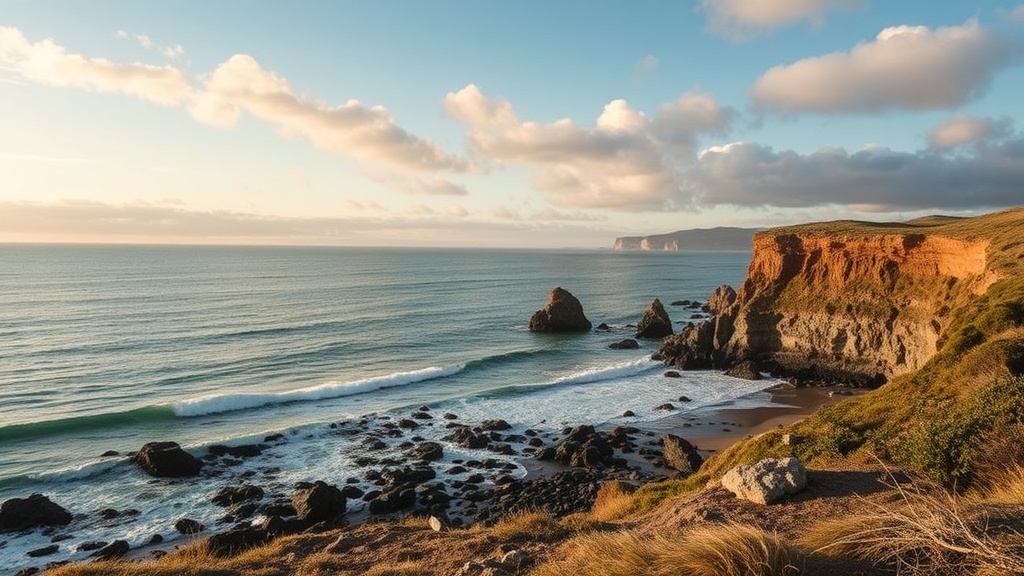
Beyond the Guidebook: Your Approach to Finding Quiet Coastal Retreats

Beyond the Guidebook: Your Approach to Finding Quiet Coastal Retreats
This guide shows you how to move beyond crowded tourist spots and uncover truly secluded beaches—places where the only sounds are waves and seabirds. You'll learn to identify promising locations, understand what makes a beach genuinely hidden, and prepare for a rewarding, respectful visit. Skip the selfie sticks and postcard vendors; prepare to find your personal stretch of untouched sand, offering a different kind of beach experience entirely.
Where Do You Even Begin Searching for Quiet Beaches?
Finding a tranquil patch of coastline often means thinking differently than the average vacationer. It's less about following a well-trodden path and more about keen observation and a willingness to explore. The first step almost always begins with a digital deep dive.
- Master Your Mapping Tools: Google Maps, or similar satellite imagery platforms, are truly goldmines. Start by scanning undeveloped coastlines—look for stretches with few visible roads running parallel to the shore, and dense vegetation, cliffs, or marshlands leading right up to the water. These natural barriers often deter widespread development and easy access. Zoom in. Pay close attention to any signs of parking lots; a lack of them is usually a good indicator you're on the right track. You can even cross-reference with Street View, if available, to get a ground-level sense of potential access points. This visual reconnaissance helps eliminate overtly developed areas before you even step outside.
- Timing Is Everything: Even moderately popular beaches can offer moments of solitude if you visit at the right time. Consider shoulder seasons—the periods just before or after the peak tourist rush—when the weather is still pleasant but crowds have thinned. Weekdays are almost always quieter than weekends. And for those truly dedicated to peace, heading out early in the morning, right as the sun rises, or late in the afternoon, as it begins to set, can transform a bustling beach into a serene escape. Avoid major holidays at all costs; these days draw everyone out.
- Ask the Locals (Carefully): The people who live in an area often hold the best secrets. Chatting with hotel staff, local shop owners, or even fishermen can sometimes yield invaluable tips. However, be discreet. Instead of directly asking for "the best secret beach," try a softer approach: "Do you know of any quiet coves nearby for a peaceful walk?" or "I'm hoping to find a less crowded spot to read my book, any suggestions?" This makes it less about revealing a treasured spot to a mass of tourists and more about helping a respectful visitor.
- Look Beyond the Main Drag: It's amazing how quickly the vibe can change just a mile or two down the coast from a bustling resort area. Actively search your maps for adjacent coves or stretches of sand that are just slightly off the beaten path. These might require a short hike, a walk over some rocks, or a bit more effort to reach, which is precisely what deters most casual visitors. That little extra bit of exertion is often the gatekeeper to tranquility.
- Utilize Official Resources Differently: While main tourism websites highlight popular attractions, look for sections detailing natural parks, preserves, or hiking trails with coastal access. Beaches that are part of a larger natural area often imply less commercial development and a greater focus on conservation, meaning fewer amenities and therefore fewer crowds.
What Are the Signs of a Truly Secluded Spot?
Once you've narrowed down your search, either digitally or through local tips, you'll need to know what to look for on the ground. A truly quiet beach signals its nature in several distinct ways—often by what it lacks rather than what it boasts.
- The Access Challenge: This is perhaps the most defining characteristic. A truly quiet beach rarely has a perfectly paved road leading directly to its sands. Instead, expect dirt tracks, gravel paths, or perhaps even a short scramble down a slight incline. If you find yourself parking on the shoulder of a small, unmarked road and following a faint trail, you're likely on the right track. This natural barrier is often the first, and most effective, filter against the masses. No neatly appointed parking lots or easily navigable pathways means most people won't even try.
- The Presence of a Natural Barrier: Look for beaches flanked by imposing cliffs, dense, untouched forest, or expansive marshland. These geographical features make large-scale development difficult and naturally limit visitor numbers. Where nature remains wild and untamed around the shore, crowds tend to thin out dramatically.
- Lack of Infrastructure: This is a clear and simple indicator. A secluded beach won't have concession stands, rows of rental umbrellas, or a fleet of jet skis for hire. You're unlikely to find public restrooms or changing facilities. At most, you might encounter a single rustic hut or, more commonly, absolutely nothing at all beyond the natural environment. These absences are your confirmation that you're far from the tourist-focused zones.
- Undisturbed Water Clarity and Marine Life: While not a universal rule, less-visited beaches tend to have cleaner water simply due to less human activity. You'll often find a greater abundance and diversity of shells, crabs scuttling along the sand, and small fish darting in the shallows. This vibrancy is a strong indicator of an undisturbed ecosystem, something often lacking in high-traffic areas.
- The Absence of Sound (or Lack Thereof): Close your eyes and listen. Do you hear distant traffic, the thumping bass of beach bar music, or the incessant chatter of many voices? Or is it just the rhythmic crash of waves, the rustle of coastal flora in the breeze, and the calls of seabirds? If it's the latter, that beautiful natural soundtrack is confirmation you've succeeded in your quest for solitude.
How Can You Ensure Your Secluded Beach Visit Stays Respectful and Safe?
Finding these hidden gems comes with a responsibility: to protect them and yourself. Seclusion means fewer eyes, but also fewer immediate resources if things go awry. Respect and preparation are your key companions.
- Embrace Leave No Trace Principles: This is not just a suggestion; it's paramount. Pack out everything you pack in—and that means everything, including all food wrappers, bottles, and any stray litter you might find. Avoid disturbing sand dunes, delicate coral formations, or any marine life. Don't leave food scraps, as they can attract unwanted animals and alter natural feeding patterns. Remember, you are a guest in a fragile ecosystem, and your goal is to leave it exactly as you found it, if not better. For comprehensive guidance, consult the