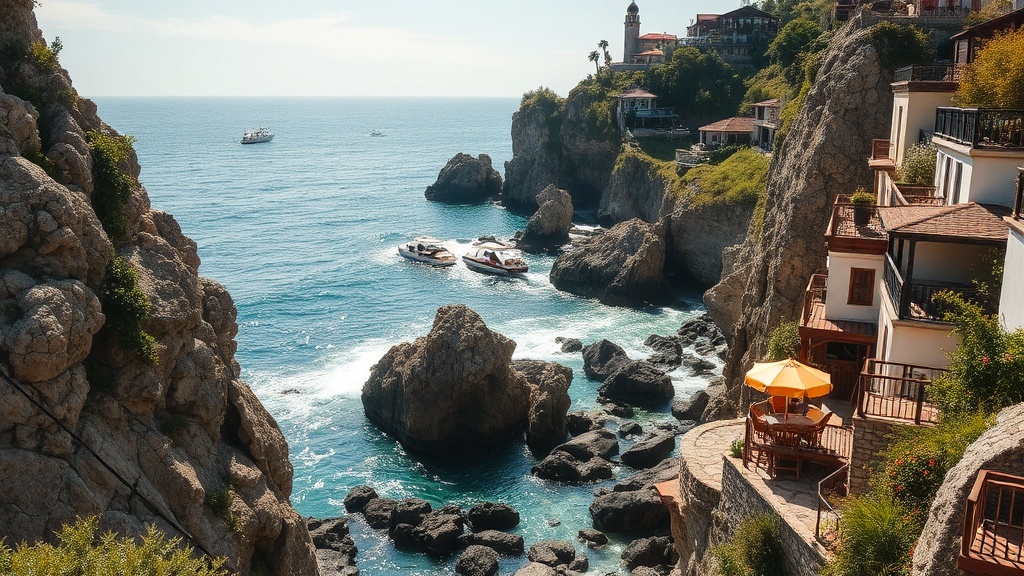
Beyond the Resort: Finding Authentic Coastal Experiences

Why Authentic Beach Travel Matters More Than Ever
Did you know that nearly 70% of travelers now prioritize authentic local experiences over traditional luxury resort stays? This shift is happening because the era of the "cookie-cutter" vacation is fading. People don't just want to sit by a pool that looks identical to a pool in Orlando or Las Vegas; they want to feel the pulse of a real coastal community. This post explores how to sidestep the tourist traps and find the real soul of the shoreline.
Finding a place where the locals actually go—rather than the place where the tour buses stop—requires a bit of a different mindset. It involves looking past the shiny brochures and focusing on the details that matter: the scent of local spices, the rhythm of the tides, and the genuine warmth of a seaside village. We're talking about those small, sun-drenched corners where the culture is as deep as the ocean.
Whether you're looking for a secluded cove in the Mediterranean or a bustling fish market in Southeast Asia, the goal is the same: connection. When you bypass the heavily commercialized zones, you find more than just a tan. You find stories, unexpected flavors, and a sense of place that a high-end hotel simply can't manufacture. Let's look at how you can make that happen.
Where Can I Find Real Beach Culture?
If you want to see how a coastal community actually lives, look for destinations that aren't solely reliant on international flight hubs. Often, the best experiences are found in "secondary" destinations. Instead of heading to the most famous beach in a country, look at the towns nearby that serve as fishing hubs or local weekend retreats. These spots often have a much higher ratio of local life to tourist-centric services.
One way to find these spots is to follow the food. A town with a vibrant, working seafood market is a sign of a healthy, living culture. In places like the Algarve in Portugal or the coastal regions of Vietnam, the real magic happens in the small, family-run eateries tucked away from the main-road beachfronts. These are the places where the recipes haven't changed in decades. If you see a restaurant with a menu that's only in the local language, you've likely found gold.
Don't be afraid to ask the locals for their favorite spot. A simple question at a local bakery or a small shop can yield much better results than a generic search engine. Just remember—locals are often happy to share their favorite spots if you show genuine interest in their way of life. It's about being a guest, not just a consumer.
What Are the Best Ways to Avoid Tourist Traps?
Tourist traps are easy to spot if you know what to look for. They often rely on high-pressure sales tactics and overly polished aesthetics. If a beach club has a massive line of people waiting just to take a photo for social media, but the actual service is mediocre, you've found a trap. Real, authentic spots often feel a bit more unpolished and organic.
To avoid the crowds, consider these tips:
- Travel during the shoulder seasons: Visiting just before or after the peak summer months can save you money and keep the crowds at bay.
- Look for wayfinding signs in the local language: If all the signs are in English, you're in a highly commercialized zone.
- Check the local topography: Sometimes, a two-mile hike or a short boat ride is all it takes to leave the crowds behind.
- Avoid "all-inclusive" bubbles: While they are convenient, they often isolate you from the very culture you traveled to see.
For more information on sustainable and respectful travel, check out the resources provided by the Lonely Planet community, which often highlights more offbeat and culturally rich locations.
How Do I Connect with Local Coastal Traditions?
Connection comes through participation. Instead of just observing from a distance, try to engage with the traditions of the area. This could be as simple as taking a traditional cooking class or watching a local fisherman bring in the day's catch. These moments are the threads that connect you to the destination.
When you visit a coastal area, try to learn a few basic phrases in the local language. Even a simple "hello" or "thank you" in the native tongue goes a long way in building rapport. It shows respect for the culture and signals that you aren't just passing through, but actually trying to understand. This small gesture can open doors to conversations and experiences you'd never find in a guidebook.
Another great way to connect is through the local markets. Markets are the heartbeat of any coastal town. By shopping locally, you are directly supporting the community and experiencing the flavors of the region. It's a way to bring a piece of the destination home with you, even if it's just a small bag of local spices or a handmade piece of pottery.
Is It Possible to Travel Sustainably in Tropical Areas?
As much as we love these tropical paradises, we have to be mindful of our footprint. Tropical ecosystems are incredibly delicate. Coral reefs, mangroves, and sea turtle nesting grounds are often threatened by the very tourism that brings people to these beautiful places.
One of the best things you can do is to choose accommodations that have a positive impact on the local environment. Look for small, locally-owned boutique stays or eco-lodges that prioritize sustainability. Many of these places use renewable energy and have strict policies regarding waste management and water usage. You can check the Greenpeace website to learn more about ocean conservation and how to be a more responsible traveler.
Also, remember the golden rule of the beach: leave no trace. This means more than just picking up your trash. It means being aware of how your presence affects the local wildlife and the natural environment. Avoid using sunscreens that contain chemicals harmful to coral reefs, and always respect local fishing and wildlife-protected zones. By being a conscious traveler, you help ensure these beautiful destinations remain for generations to come.