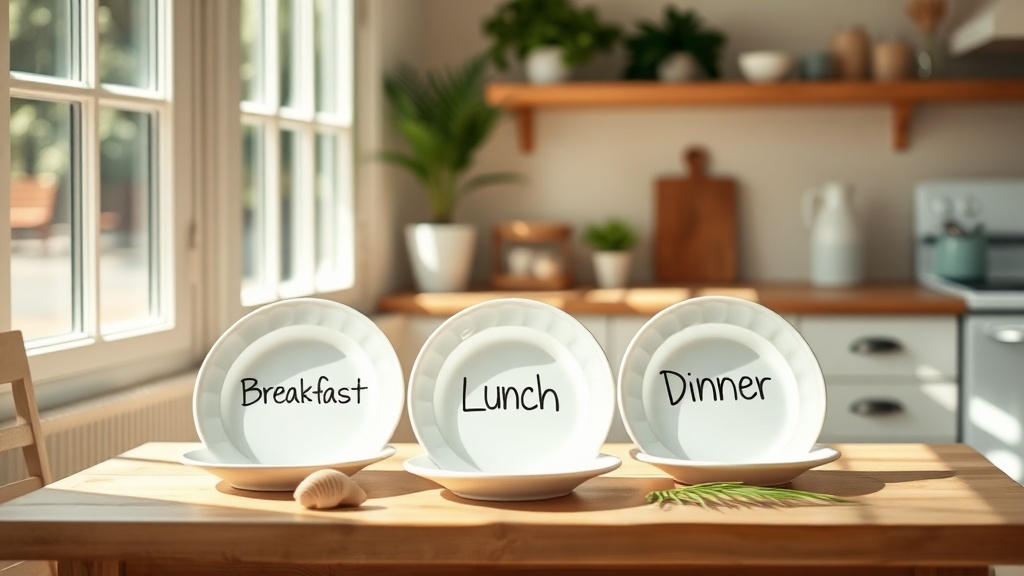
Bio‑Harmony Spring Reset: Align Meals with Your Circadian Rhythm

Hook: Ever notice that mid‑afternoon slump or that restless night after a late dinner? Your body might be signaling that your meals are out of sync with its natural clock.
Context: As daylight stretches in spring, the opportunity to reset not just your sleep but also your eating schedule arrives. Bio‑harmony isn’t just about what you eat—it’s about *when* you eat, and aligning those moments with your circadian rhythm can boost metabolism, stabilize energy, and keep you beach‑ready all season long.
Why Does Meal Timing Matter for Your Body Clock?
Our internal clock runs on a 24‑hour cycle that orchestrates hormone release, digestion, and metabolism. A 2023 review from the Harvard T.H. Chan School of Public Health found that eating during the body’s “active phase” (typically daylight) improves insulin sensitivity and reduces inflammation—key factors for staying energized on beach trips.
What Chronotype Are You?
- Morning Lark: Most alert before 9 am. Ideal schedule: early breakfast, light lunch, early dinner.
- Evening Owl: Peaks after 2 pm. Ideal schedule: later breakfast, substantial lunch, dinner after 8 pm.
- Intermediate: Flexible, but still benefits from a consistent 12‑hour eating window.
“I used to snack at midnight until my skin broke out. Switching to an owl‑friendly dinner at 9 pm cleared it up in weeks.” — Kayla
How Can You Start Syncing Meals Right Now?
1. Identify Your Natural Wake‑Up Time
For a week, note when you wake up without an alarm. That time is your baseline and the anchor for your eating window.
2. Create a 12‑Hour Eating Window Around It
If you naturally rise at 7 am, aim to finish dinner by 7 pm. Shift gradually—30‑minute adjustments work best.
3. Prioritize Protein During Your Peak Energy Phase
Morning Larks: protein‑rich breakfast (Greek yogurt, eggs). Evening Owls: protein‑heavy lunch (grilled fish, quinoa).
4. Lighten Evening Meals
Heavy carbs late at night spike blood sugar. Opt for salads, veggies, and lean proteins instead.
5. Hydrate Consistently, Not Just with Coffee
Caffeine after your active phase can delay melatonin release. Swap late‑afternoon coffee for herbal tea.
What About Snacks?
Keep snacks small and protein‑focused. A handful of almonds at 2 pm (Lark) or 5 pm (Owl) steadies blood sugar without disrupting sleep.
How Does This Fit Into the Bigger Bio‑Harmony Lifestyle?
- Sleep: Pair meal timing with the Spring Daylight Saving tips you’ve read for a seamless sleep‑wake rhythm.
- Exercise: Align workouts with your peak energy window—morning runs for Larks, late‑afternoon sessions for Owls.
- Mindful Moments: Use the same window to schedule beach meditation or sunrise yoga, reinforcing the rhythm.
Quick Reference: Your Spring Meal‑Timing Cheat Sheet
| Chronotype | Wake‑Up | Breakfast | Lunch | Dinner |
|---|---|---|---|---|
| Morning Lark | 6‑7 am | 6‑8 am (protein) | 12‑2 pm (balanced) | 6‑7 pm (light) |
| Evening Owl | 8‑9 am | 9‑10 am (light) | 2‑4 pm (protein) | 8‑9 pm (light) |
| Intermediate | 7‑8 am | 7‑9 am | 1‑3 pm | 7‑9 pm |
Start with this table, adjust the times by 30‑minute increments until you feel alert and rested throughout the day.
Takeaway
Spring’s extra daylight is the perfect cue to reset not just your sleep but also your meals. Identify your chronotype, set a 12‑hour eating window around your natural wake‑up time, prioritize protein during peak hours, and keep evenings light. Syncing your plate with your internal clock fuels energy for beach adventures, supports metabolism, and helps you feel your best all season.
Related Reading
- Chronotype Cuisine: Easy Meal Timing Hacks for 2026 Bio‑Harmony — deeper dive into chronotype‑specific meal ideas.
- Spring Digital Detox: Refresh Your Online Habits for Better Wellness — complementary habits to support your bio‑harmony reset.
- Spring Daylight Saving: 5 Simple Steps to Reset Your Sleep Cycle — align sleep with your new eating schedule.