Caribbean Island Hopping: Your Ultimate Guide to Paradise

Island hopping through the Caribbean isn't just a travel fantasy—it's one of the most accessible multi-destination adventures you can plan. This guide covers everything from choosing the right island chain and booking ferries to budgeting for two weeks of beach-hopping bliss. Whether you're dreaming of the Grenadines' white sand or Barbados's surf breaks, you'll find practical routes, real costs, and insider tips to make it happen.
What's the best route for Caribbean island hopping?
The best routes depend on which island chain you choose. The Caribbean breaks into distinct clusters, each offering unique hopping opportunities. The Eastern Caribbean—the Leeward and Windward Islands—provides the most interconnected ferry and flight networks, making it ideal for first-time hoppers.
The Lesser Antilles Loop
Start in St. Lucia. It's well-connected with direct flights from Miami, New York, and Toronto. From there, island hoppers typically move south through St. Vincent and the Grenadines—think Bequia, Mustique, Canouan—before reaching Grenada. This chain works beautifully because Bequia Express and other ferry services run regular routes between islands. You won't need flights for most of this journey.
That said, timing matters. Ferries don't run daily to every island. Some routes operate twice weekly. Build flexibility into your itinerary.
The Virgin Islands Circuit
The U.S. and British Virgin Islands sit close together—sometimes just a 20-minute ferry ride apart. Start in St. Thomas or Tortola. From there, you can reach Jost Van Dyke, Virgin Gorda, and St. John within a single day of hopping. The U.S. Virgin Islands tourism site lists current ferry schedules, which change seasonally.
Here's the thing: this route suits travelers who want variety without long transit days. You're never more than an hour from the next island.
The Bahamas Archipelago
The Bahamas stretches over 500 miles. That distance makes true "hopping" harder than in the Eastern Caribbean. Most travelers pick a hub—Nassau, Exuma, or the Abacos—and explore nearby cays via day trips or short domestic flights on Bahamasair. The Exuma Cays offer the famous swimming pigs and sandbars, all accessible by boat tour from Great Exuma.
How much does it cost to island hop in the Caribbean?
Expect to spend $150-$400 per day depending on your travel style. Budget backpackers can get by on less in places like Grenada or Dominica. Luxury seekers will find plenty to spend money on in Mustique or St. Barts.
| Expense Category | Budget Option | Mid-Range | Luxury |
|---|---|---|---|
| Inter-island ferry | $25-$45 | $50-$80 | Private water taxi: $200+ |
| Inter-island flight | $89-$150 (LIAT, interCaribbean) | $150-$250 | $400+ (charter) |
| Accommodation (per night) | Hostel/guesthouse: $40-$80 | Boutique hotel: $150-$300 | Resort/villa: $500+ |
| Meals (per day) | Local joints: $25-$40 | Mix of local and tourist spots: $60-$100 | Fine dining: $200+ |
| Activities | Beach hopping, hiking: $0-$30 | Boat trips, snorkeling: $50-$120 | Yacht charter, diving: $300+ |
The catch? Those inter-island costs add up fast. A ferry from St. Lucia to St. Vincent runs about $40. Add another $30 to reach Bequia. Suddenly you're at $70 just in transit for one hop. Multiply that across ten islands and you've spent $700 on transportation alone.
Flights between major hubs like Barbados, Trinidad, and Puerto Rico stay reasonable—often $100-$200 one-way. But smaller hops (St. Vincent to Union Island, for example) can cost more per mile than flying New York to London.
When's the best time to go island hopping in the Caribbean?
Mid-December through April delivers the driest weather and calmest seas. That's peak season. Hotel rates jump 30-50%. Ferries run more frequently, though, and you're less likely to encounter weather delays.
The sweet spot? Late April through early June. Rain remains minimal. Prices drop. The crowds thin out. You'll still get plenty of sunshine—Caribbean "rainy season" rarely means all-day downpours. Usually it's a morning shower followed by brilliant afternoon sun.
Hurricane season officially runs June through November. September and October carry the highest risk. That said, many experienced island hoppers love September. Rates plummet. Beaches empty out. The gamble? Named storms can disrupt ferry schedules and close airports for days.
Worth noting: some smaller islands effectively shut down during low season. Restaurants close. Ferry service reduces to twice weekly instead of daily. Always check current schedules before booking.
What should you pack for multi-island travel?
Pack light. You'll thank yourself when dragging a bag onto a small ferry or climbing onto a water taxi. Soft-sided luggage works better than hard-shell cases—it squeezes into tight storage spaces on inter-island boats.
Essentials include:
- Reef-safe sunscreen: Many islands now ban oxybenzone sunscreens. Sun Bum's mineral line works well and complies with local regulations.
- Quick-dry clothing: Humidity stays high year-round. Cotton takes forever to dry.
- Waterproof phone case: Between beach landings, sudden rain, and boat spray, electronics face constant exposure.
- Motion sickness remedy: Even veteran cruisers find Caribbean ferry rides choppy. The waters between Dominica and Martinique? Particularly rough.
- Cash in small bills: Not every ferry takes cards. Local beach bars often operate cash-only.
Connectivity considerations
Most islands use different cellular providers. Digicel dominates the Eastern Caribbean. Flow covers many islands too. Buying local SIM cards at each stop gets tedious—and you'll need a phone that accepts them. International roaming through your home carrier simplifies things but costs more.
Wi-Fi quality varies dramatically. Barbados and Puerto Rico offer solid connections. Remote Grenadine islands? Spotty at best. Download offline maps before arriving.
Island-specific highlights you shouldn't miss
Each island brings something distinct. That's the magic of hopping—you collect experiences rather than just stamps.
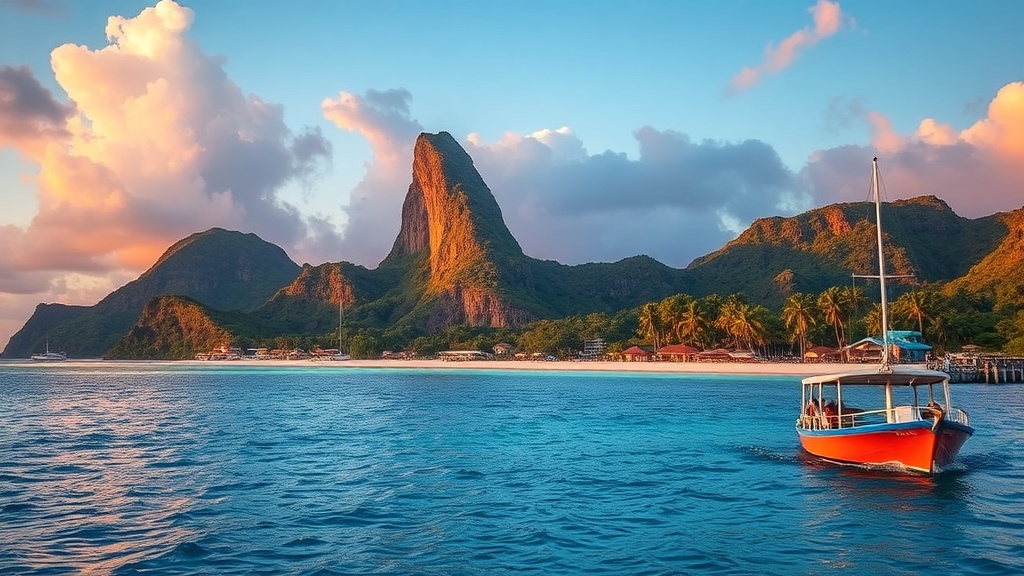
St. Lucia: The Pitons rise dramatically from the sea. Hike Gros Piton (it's steep—allow four hours) or photograph them from Sugar Beach. Sulphur Springs offers the Caribbean's only drive-in volcano.
Bequia: This Grenadine gem feels like the Caribbean of thirty years ago. No chain hotels. Just pastel houses, a model boat-building tradition, and the best lobster pizza at Mac's Pizzeria in Belmont Walkway.
Tobago Cays: Five uninhabited islands surrounded by a horseshoe reef. Sea turtles feed in the seagrass. You can snorkel among them, then barbecue on the beach (local boat operators provide the gear).
Barbados: The "Platinum Coast" offers calm swimming on the west. The east coast—Bathsheba, specifically—delivers world-class surfing. The Soup Bowl breaks over a coral reef and challenges even experienced riders.
Booking ferries and flights: practical tips
Don't book everything in advance. Ferries cancel due to weather. You might fall in love with an island and want to stay longer. Build in buffer days.
For ferries, check Grenadines Ferries and individual operator websites—not third-party aggregators, which often show outdated schedules. Book popular routes (like St. Lucia to St. Vincent) a few days ahead during high season. Walk-up tickets usually work fine for shorter hops.
Inter-island flights operate on what locals call "island time." Delays happen. Luggage weight limits run strict—usually 40-50 pounds checked. Pack accordingly.
"Never plan to catch an international flight on the same day as an inter-island connection. Give yourself 24 hours buffer. Weather, mechanical issues, or simply 'island time' can derail tight schedules." — Caribbean travel veteran
Visas and entry requirements
Most Caribbean islands allow tourist stays of 30-90 days visa-free for U.S., Canadian, and EU passport holders. That said, each island maintains its own immigration rules.
Traveling between the French islands (Martinique, Guadeloupe, St. Martin) and Dutch or English-speaking islands means crossing Schengen and non-Schengen borders. Have proof of onward travel ready. Immigration officers occasionally ask for it.
Some islands require departure taxes paid in cash. Others include it in your airline ticket. Always keep small U.S. dollar bills handy—many islands accept USD even when they have local currency.
Island hopping through the Caribbean rewards the prepared traveler. Research your routes. Build flexibility into the schedule. Pack light. Then let the rhythm of island life take over—because there's nothing quite like watching the sunset from a different beach every night.