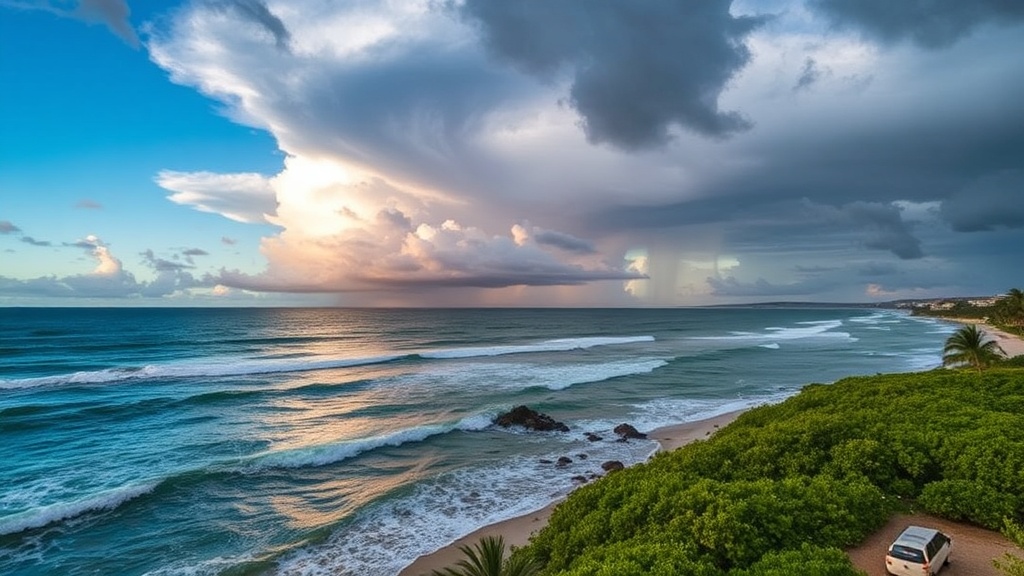
Coastal Weather Patterns: Timing Your Tropical Escape

Understanding the Seasonal Shifts of the Tropics
Most travelers assume that a tropical destination is a constant paradise of sun and calm waters, but this is a dangerous misconception. If you book a trip based solely on a sunny photo from a single month, you might find yourself staring at gray skies and heavy rain rather than turquoise waves. Understanding the actual rhythm of the seasons—not just the temperature, but the humidity, wind, and rainfall patterns—is the difference between a dream vacation and a ruined trip. This guide covers how to read seasonal charts, the difference between wet and dry seasons, and how to time your arrival to catch the best conditions for your specific interests.
The tropical climate is driven by trade winds and seasonal shifts in pressure-related weather systems. While many people use the term "summer" and "winter," these terms don't quite fit the equatorial reality. Instead, we talk about the wet season and the dry season. The dry season is usually when the weather is most predictable, but it's also when prices skyrocket and crowds descend upon popular shores. If you're looking for a balance of low prices and decent weather, you need to look at the "shoulder seasons"—those transition months where the weather shifts from one state to another.
When is the best time to visit the Caribbean and Pacific Islands?
To answer this, you first have to define what you want to do. If your goal is sailing or snorkeling, you need calm, clear water. If you're looking for big waves for surfing, you'll want to hit the coast during the peak of the wind-driven seasons. For instance, in much of the Caribbean, the dry season runs from December through May. This is the prime time for tourism, meaning you'll find the best weather but also the highest costs. If you want to avoid the peak crowds, consider visiting in the late spring or early autumn, though you'll need to keep a close eye on the weather forecasts.
The Pacific Islands operate on a slightly different rhythm. Many of these destinations are influenced by the El Niño and La Niña cycles, which can drastically change rainfall patterns from year to year. During a La Niña year, some areas might see much more rainfall than usual, while others might experience drought. It's a good idea to check reports from the National Ocean Service to see how large-scale climate patterns are behaving before you lock in your dates. This isn't just about avoiding a little rain; it's about ensuring your destination actually feels like the tropical escape you paid for.
The Impact of Trade Winds on Your Experience
Don't ignore the wind. While many travelers focus on temperature, the wind dictates the entire vibe of a beach. In the Caribbean, the trade winds are a constant presence. They provide a much-needed breeze on a hot day, but they can also create choppy waters that make swimming difficult. If you're planning a beach day with a heavy emphasis on relaxation and calm water, you'll want to look for islands that are somewhat sheltered from the primary wind direction.
Furthermore, the wind affects the vegetation and the sand. High-wind seasons can lead to more erosion and more debris on the shore. If you're a photographer, you'll want to know the wind patterns to ensure your setup stays stable and your subjects aren't being battered by gusts. I always recommend checking local wind direction maps—sites like Windfinder are incredibly helpful for seeing the predicted wind speeds for a specific coastline.
Does the rainy season mean constant storms?
This is a common fear, but it's often overstated. A "wet season" doesn't mean it's raining every single day. In many tropical locales, the rain comes in short, intense bursts—usually in the late afternoon or even the middle of the night. These downpours can be incredibly refreshing and actually help clear the air of humidity and dust, leaving the colors of the landscape even more vibrant when the sun returns. The real concern isn't the daily rain, but the possibility of tropical depressions or hurricanes.
During the Atlantic hurricane season (roughly June through November), the risk of significant weather disruptions increases. While you don't necessarily have to stay home, you must be aware of the potential for high-impact events. This is where the distinction between "seasonal rain" and "cyclone season" becomes vital. Seasonal rain is a predictable part of the tropical cycle; a hurricane is an unpredictable event that can fundamentally change your travel plans. Always check the National Hurricane Center for real-time updates if you are traveling during these months.
If you decide to travel during the transition months, you'll likely find a much more authentic experience. The crowds are thinner, the local-owned boutique hotels are easier to book, and you can often find better deals on excursions. You might deal with a stray afternoon shower or a bit of humidity, but the trade-off is a much more relaxed, less commercialized version of the destination. Just be prepared to have a "Plan B"—a list of great indoor cafes, local museums, or even a really good book—to enjoy when the weather decides to take a break.
One thing to keep in mind is the "humidity factor." Even if the temperature is a reasonable 80°F (27°C), the high humidity can make it feel much hotter. This affects how much water you'll need to drink and how much sunscreen you'll need to apply. Always pack lightweight, breathable fabrics and stay hydrated. A well-timed trip to a beach bar for a fresh coconut water can be a lifesaver when the air feels thick and heavy.
| Season Type | Typical Weather | Best For... |
|---|---|---|
| Dry/High Season | Sunny, low humidity, calm waters | Sailing, snorkeling, luxury travelers |
| Shoulder Season | Variable weather, moderate rain | Budget travelers, photography, authenticity |
| Wet/Low Season | High humidity, frequent showers | Surfing, budget travelers, landscape changes |
Ultimately, the "perfect" time to visit a beach is entirely subjective. It depends on whether you value a predictable blue sky or a lower price tag. By understanding these natural cycles, you can make an informed decision that aligns with your personal travel style and budget. Don't let the fear of a little rain stop you from exploring a beautiful coast, but always keep an eye on the horizon.