Finding Authentic Coastal Flavors: A Guide to Tropical Seafood

Many travelers assume that high-end, white-tablecloth dining is the only way to experience true coastal luxury. They think the best seafood is found in a hotel restaurant with a view, but that's often a mistake. If you want the real deal—the kind of food that defines a coastline—you have to look past the polished silverware and toward the local fish markets and small-town shacks. This post explores how to identify fresh catches, understand regional seafood traditions, and find those hidden gems that offer more flavor than any five-star menu ever could.
What defines fresh seafood in a tropical destination?
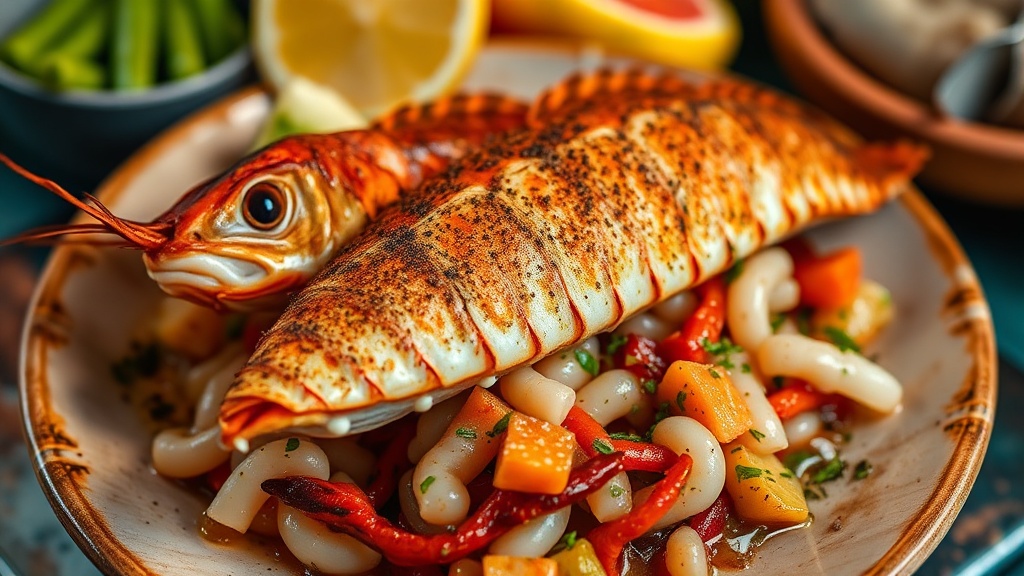
When you're standing on a pier in a tropical destination, the definition of "fresh" changes. You aren't looking for a perfectly vacuum-sealed fillet; you're looking for signs of life. In many coastal regions, the fish served at lunch was literally swimming in the ocean just hours before. Look for clear, bulging eyes and bright, red gills if you can see the fish whole. If the scales are still shimmering and the skin is firm, you've found a winner.
One way to verify quality is to check the seasonality. Just like fruit, seafood has a rhythm. For instance, in the Caribbean, certain snapper or lobster seasons are strictly regulated to prevent overfishing. Checking a resource like the World Wildlife Fund can help you understand which species are currently sustainable and abundant in the area you're visiting. This ensures your meal is both delicious and ethical.
The difference between local catches and imported goods
A common trap for tourists is the "menu illusion." You might see a menu featuring salmon or Atlantic cod in a tropical paradise, but that fish has traveled thousands of miles in a refrigerated container. It's often more expensive and lacks the vibrant, briny flavor of the local catch. Always ask the server, "What did the fishermen bring in this morning?" This simple question can shift your meal from a predictable dish to a memorable culinary event.
Where can I find the best local seafood experiences?
The best food rarely happens in the center of the tourist district. Instead, look for these three specific types of locations:
- The Morning Fish Market: Arriving at a market at sunrise isn't just a way to see the culture; it's the best way to see what's actually in season. You can often find small vendors selling cooked seafood snacks right on the street.
- The Beachfront Shack: These are the humble, single-story structures often found near boat landings. They might not have air conditioning, but they have the highest turnover of fresh ingredients.
- The Family-Run Eatery: Look for places where the menu is short—perhaps only three or four items—and written on a chalkboard. A limited menu usually means they only cook what is fresh and available that day.
I've found that the most rewarding meals happen when I'm a little bit out of my comfort zone. A wooden bench and a plastic plate in a seaside village often lead to better flavors than a linen tablecloth in a resort. It's about the connection to the sea, not the decor.
Is it safe to eat seafood at beachside stalls?
Safety is a valid concern, especially when traveling in different climates. The key is to look for high turnover. If you see a crowd of locals gathered around a specific stall, that's your green light. High turnover means the ingredients aren't sitting around in the heat. Also, look for food that is cooked right in front of you over an open flame or in hot oil. High heat is a great way to ensure everything is safe to eat.
| Type of Seafood | How to Spot Quality | Best Way to Eat It |
|---|---|---|
| Snapper | Bright eyes, firm flesh | Grilled with lime and salt |
| Shrimp/P prawns | Intact shells, no dark spots | Garlic butter or spicy curry |
| Lobster | Active movement, heavy weight | Steamed or grilled on the beach |
Avoid any seafood that has been sitting in a lukewarm display case. If the fish looks dull or the eyes are sunken, walk away. You want ingredients that still feel like they belong in the ocean. A good rule of thumb is that if the local fishermen aren't eating it, you probably shouldn't either.
Eating your way through a coastal destination is a sensory experience. It's the smell of salt air mixed with grilled spices, the sound of waves hitting the shore, and the taste of something truly fresh. Don't be afraid to dive into the local culture through its food. It's often the most authentic way to connect with the place you're visiting.