How to Pack the Perfect Beach Bag for Your Tropical Getaway

What This Guide Covers (and Why It Matters)
This post breaks down exactly what belongs in a beach bag for tropical destinations—and what doesn't. Whether heading to Tulum's powder-white shores or the Maldives' overwater bungalow access points, the right gear separates a smooth vacation from a sunburned, sandy disaster. Poor packing leads to overpriced resort shops, unnecessary stress, and days spent wishing for that one item left at home. Here's the thing: a well-packed beach bag isn't about stuffing everything imaginable into a tote. It's about strategic choices that maximize comfort, protection, and convenience without weighing you down.
What Should Go in a Beach Bag for a Tropical Vacation?
The short answer: sun protection, hydration, entertainment, and emergency supplies. The longer answer depends on your destination, activity level, and how long you'll be away from your hotel.
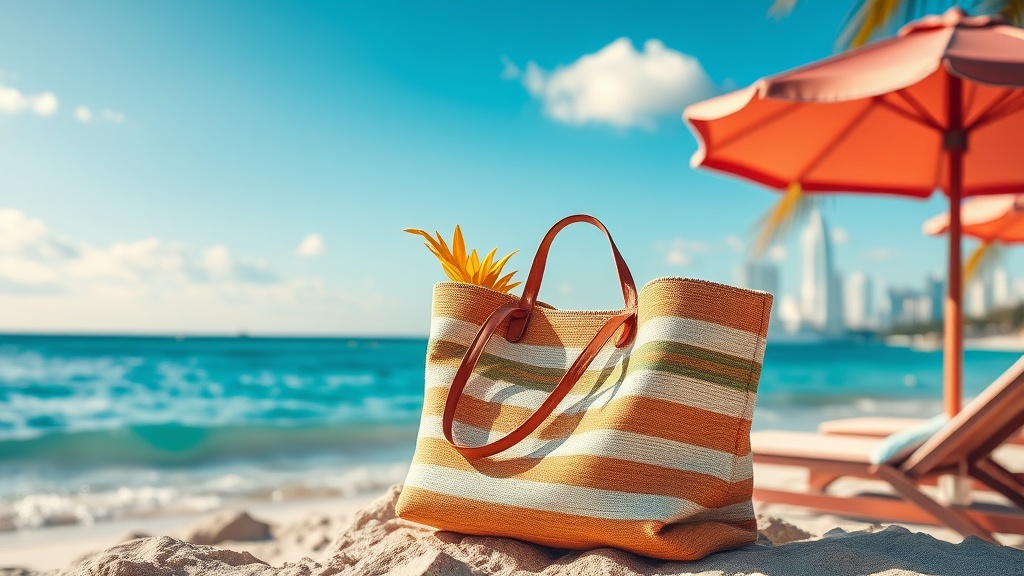
Start with the bag itself. Skip the cute straw tote—it traps sand and offers zero protection against sudden tropical downpours. Instead, opt for something like the Patagonia Ultralight Black Hole Tote or a similar water-resistant option with mesh drainage pockets. These bags withstand salt air, resist mold, and won't disintegrate after one season of use.
Here's a baseline packing list that works for most tropical scenarios:
- Sunscreen: Reef-safe, SPF 50+ (chemical sunscreens containing oxybenzone and octinoxate are banned in Hawaii, Palau, and parts of Mexico)
- Sunglasses: Polarized lenses with UV400 protection—brands like Costa Del Mar or Maui Jim handle salt spray better than cheap alternatives
- Hat: Wide-brimmed and packable (the Sunday Afternoons Ultra Adventure Hat actually floats)
- Water bottle: Insulated stainless steel like the Hydro Flask 32oz—tropical heat turns lukewarm water undrinkable fast
- Beach towel: Microfiber beats cotton (packs smaller, dries quicker, doesn't collect sand)
- Waterproof phone case: Snorkeling photos shouldn't require a separate camera
- First aid basics: Bandaids, antiseptic wipes, pain relievers, aloe vera gel
- Snacks: Non-melting options—nuts, dried mango, protein bars
- Cash: Small bills for beach vendors, parking, or places that don't take cards
The catch? Overpacking creates its own problems. A 40-pound beach bag turns a leisurely stroll into an obstacle course. Be ruthless about what actually gets used versus what "might come in handy."
How Do You Keep Electronics Safe at the Beach?
Waterproof cases and dry bags—not ziplock bags—provide reliable protection against sand, salt, and splashes. Ziplocks tear, leak, and trap condensation that damages devices just as surely as direct water contact.
Invest in a proper dry bag from brands like Sea to Summit or Outdoor Research. The 5-liter size fits phones, wallets, keys, and a paperback with room to spare. Roll-top closures create actual watertight seals tested in rapids—not just beach waves.
For phones specifically, the LifeProof FRĒ case or OtterBox Defender series handle submersion better than universal pouches that fog up and block touchscreens. That said, waterproof cases add bulk. Worth noting: many travelers prefer a simple dry bag plus a standard case for daily use, swapping to waterproof protection only for water activities.
Don't forget about heat damage. Phones left in direct sunlight overheat quickly, triggering thermal shutdowns that can corrupt data. Keep electronics in the shade, or tuck them under a towel. Never leave devices in a locked car in tropical climates—interior temperatures reach lethal levels within minutes.
Portable chargers deserve protection too. The Anker PowerCore 10000 fits easily in dry bags and provides multiple phone charges. Salt air corrodes charging ports over time, so cap them when not in use.
What's the Best Sun Protection for Beach Days?
Layered protection outperforms any single product—combine sunscreen, clothing, shade, and timing to prevent burns without constant reapplication. The "slather on SPF 100 and forget it" approach fails spectacularly in tropical environments where sweat, water, and friction rub protection away within hours.
Reef-safe sunscreen isn't just environmentally responsible—it's increasingly mandatory. destinations including U.S. National Parks, Hawaii, Key West, and the Caribbean island of Bonaire prohibit sunscreens containing oxybenzone and octinoxate. Mineral sunscreens with zinc oxide or titanium dioxide provide effective protection without harming coral ecosystems.
Top mineral sunscreen options for 2024:
| Product | SPF | Water Resistance | Best For |
|---|---|---|---|
| Sun Bum Mineral SPF 50 | 50 | 80 minutes | Face and body, pleasant scent |
| Blue Lizard Sensitive | 50+ | 80 minutes | Sensitive skin, bottle turns blue in UV light |
| Thinkbaby Safe Sunscreen | 50+ | 80 minutes | Families, clean ingredient list |
| Raw Elements Face + Body | 30 | 60 minutes | Zero waste packaging, plastic-free |
UPF clothing reduces sunscreen needs significantly. A Patagonia Long-Sleeved Capilene Cool Daily Shirt (UPF 50+) covers shoulders and arms that burn first. Rash guards work double duty for snorkeling and swimming—REI's Sahara Shade Hoodie dries fast and packs tiny.
Don't neglect lips or scalp. Sun Bum SPF 30 Lip Balm prevents painful cracking, and a hat with neck coverage (think Outdoor Research Sombriolet) protects vulnerable areas where hair parts. That said, beach umbrellas and pop-up tents provide the most reliable shade—brands like Sport-Brella anchor securely in sand and create genuine cool zones.
How Much Water Should You Bring to the Beach?
One liter per person for every two hours of beach time, minimum—and that's before accounting for heat, alcohol consumption, or physical activity. Tropical humidity accelerates fluid loss even when you're not sweating visibly.
Dehydration sneaks up on beachgoers. By the time thirst hits, you're already depleted. Symptoms include headaches, dizziness, and that afternoon crash many blame on sun exposure when it's actually insufficient fluids. The combination of salt air, wind, and sun creates conditions where hydration needs spike 20-30% above normal.
Insulated bottles matter. The Hydro Flask or YETI Rambler keep water cold for 12+ hours in 90°F heat. Warm water discourages drinking—cold water encourages it. Simple psychology, effective results.
Consider adding electrolytes for full-day beach sessions. Liquid I.V. or Nuun tablets replace sodium and potassium lost through sweat. Plain water without electrolytes can actually worsen hyponatremia (low blood sodium) if you're drinking gallons but not eating.
Here's the thing about alcohol: every margarita requires compensatory water. Tropical cocktails plus sun equal accelerated dehydration and worse hangovers. Alternate alcoholic drinks with water, or risk missing tomorrow's sunrise snorkeling trip.
Packing for Specific Beach Activities
Different activities demand different gear. A reading-and-napping beach day requires little beyond a book and shade. Active days need more preparation.
For snorkeling: Bring defog solution (baby shampoo diluted in water works in a pinch), a rash guard (prevents jellyfish stings and sunburn), and water shoes if entering over coral. The Decathlon Tribord Easybreath full-face mask offers panoramic views without jaw fatigue from biting traditional snorkels.
For surfing or paddleboarding: Waterproof watches like the Garmin Instinct track sessions without worry. Board shorts with secure pockets prevent key loss. A changing poncho—Northcore Beach Basha—enables modest costume changes in parking lots.
For families with kids: Sand toys seem optional until you've paid resort prices for a plastic bucket. The Quut Alto sandcastle set stacks flat and entertains for hours. Baby powder removes wet sand from skin magically—pack a travel size.
What About Beach Bag Organization?
Compartmentalization prevents the "dump everything out to find chapstick" problem. Use packing cubes or designated pouches for categories: sun care, electronics, first aid, snacks.
Mesh pockets on bag exteriors hold items that need ventilation—wet swimsuits, sandy flip-flops. Interior waterproof compartments protect valuables. Keep the heaviest items closest to your body when carrying.
Establish a "beach exit routine" to prevent leaving items behind. Phone, wallet, keys go in the dry bag first. Towel and book last. Sand-free totes keep hotel rooms cleaner—shake bags thoroughly before leaving the beach.
"The best beach bag is the one you'll actually carry. A perfectly packed 50-liter expedition duffel stays in the hotel room if it weighs 40 pounds. Pack for 80% of scenarios, not every possible emergency."
For international travel, consider current travel advisories and local beach regulations. Some destinations restrict glass containers, certain sunscreens, or alcohol consumption on public beaches. Thailand famously bans vaping nationwide—confiscation and fines await those who don't research local laws.
The tropical beach bag is a living system, not a static list. What works in Costa Rica's Pacific coast (strong currents, rocky entry points) differs from Aruba's Eagle Beach (calm water, powder sand). Adapt based on conditions, but always prioritize sun protection, hydration, and waterproof storage. Everything else is negotiable.
Steps
- 1
Gather Sun Protection Essentials
- 2
Pack Comfort and Convenience Items
- 3
Add Entertainment and Refreshments