How to Plan a Multi-Stop Beach Road Trip That Actually Works

You Don't Need Expensive Island-Hopping Flights to See Multiple Beaches
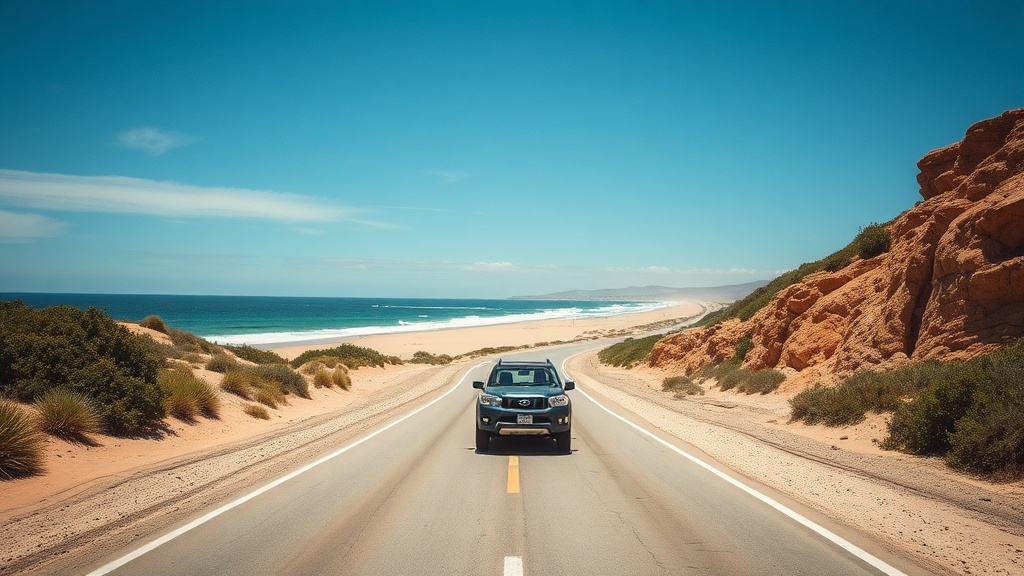
There's a stubborn myth that experiencing several beaches on one vacation requires pricey inter-island flights, cruise packages, or complicated logistics. Travel blogs love to showcase far-flung archipelagos with five-figure price tags, making multi-beach trips feel out of reach for the average traveler. But here's the truth—some of the world's most spectacular coastlines sit within easy driving distance of each other, waiting to be explored by car, campervan, or even motorcycle.
A well-planned beach road trip offers something resort vacations can't—flexibility. You control your schedule, your stops, your meal choices, and your pace. When a beach is crowded, you drive to the next one. When you discover a hidden cove, you stay longer. The spontaneity of the open road combined with the predictability of sand and saltwater creates a travel experience that's both structured and serendipitous.
This guide walks you through building a multi-stop beach itinerary that maximizes beach time while minimizing stress, expense, and that nagging feeling that you're spending more time in transit than in the water.
How Many Beaches Can You Realistically Visit in One Trip?
The temptation is to cram every beautiful stretch of sand into your itinerary—especially when you're researching and each beach looks more stunning than the last. Resist this impulse. The sweet spot for a week-long beach road trip is three to four distinct coastal stops, with two to three nights at each location.
Why this number? It accounts for the reality of beach travel. You need a full day just to settle in, orient yourself, and recover from transit. The second day is when the magic happens—you're relaxed, you know the layout, you've found your spot. By the third day, you're fully immersed and can either explore deeper or use as a buffer before moving on. Anything less than two nights per stop feels rushed. You'll spend more time packing and unpacking than actually enjoying the water.
Consider also the driving distances between destinations. Coastal roads are rarely straight highways—they wind, they climb, they dip through small towns with traffic. A map might show two beaches as 100 miles apart, but that could translate to three hours of actual driving on scenic (read: slow) coastal routes. Build in realistic transit times, and never plan a drive longer than four hours on a beach day—you'll arrive tired and miss the best afternoon light.
What's the Best Way to Structure Your Route?
The classic road trip mistake is the out-and-back from a single home base. This approach forces you to cover the same ground twice and limits how far you can reasonably explore. Instead, design a loop or a one-way route with different start and end points.
Loops work beautifully for beach trips—you might fly into Miami, drive down through the Florida Keys, cross to the Gulf Coast, and return via a different route that hits Dry Tortugas National Park or the Ten Thousand Islands. One-way routes shine when you want to cover serious ground—perhaps starting in San Diego and ending in San Francisco, or beginning in Lisbon and finishing in Porto along Portugal's dramatic western coast.
When planning your route, alternate beach types to keep the experience fresh. Pair a popular resort beach with a secluded nature preserve. Follow a surfing hotspot with a calm, family-friendly cove. Mix in a working fishing beach where you can buy fresh catch from the boats. This variety prevents the "they all look the same" fatigue that can set in during beach-heavy trips.
Research tide schedules and sun positions for each stop. Some beaches are dramatically different at high versus low tide—exposing tide pools, hidden caves, or walkable sandbars at specific times. East-facing beaches offer spectacular sunrises and shade in the afternoon heat; west-facing beaches reward you with golden hour sunsets. Planning your arrival times around these factors transforms a good beach day into an unforgettable one.
What Should You Pack for a Beach Road Trip?
Beach road trips require a different packing strategy than single-destination resort stays. You're essentially living out of your vehicle for days at a time, so organization and accessibility become most important—yes, most important, because nothing kills the vibe like tearing apart your entire suitcase to find sunscreen while sand blows into your open trunk.
Invest in a beach-specific kit that lives permanently in your vehicle during the trip. This should include: a compact microfiber towel that dries quickly between stops, reef-safe sunscreen in a sealed bag (it will leak), a wide-brimmed hat that packs flat, water shoes for rocky entries, a dry bag for electronics, and a small first-aid kit with vinegar for jellyfish stings and tweezers for sea urchin spines. Keep this kit in a dedicated bag that's always within arm's reach.
For clothing, embrace the capsule wardrobe approach. Three swimwear sets let you rotate between wet, damp, and dry. Two cover-ups that work for both beach lounging and casual dining. One pair of sandals for sand, one for walking, one for evenings. Linen and lightweight merino wool resist odors and dry overnight—cotton stays damp forever in humid coastal air.
Don't forget vehicle essentials: a portable shower (or at least a jug of fresh water) for rinsing sand off feet before re-entering your car, a beach blanket that shakes clean, a cooler with ice packs for drinks and snacks between stops, and a phone mount for navigation so you're not fumbling with maps while driving unfamiliar coastal roads.
Storage Tips That Save Your Sanity
Use packing cubes to separate clean clothes from beach-worn items. Designate one bag as your "wet bag" for damp swimwear that hasn't dried overnight. Bring a mesh laundry bag—sand will find its way into everything, and shaking out clothes before they go into your main luggage prevents your entire wardrobe from feeling like a day at the beach.
Consider your vehicle's cargo situation carefully. If you're renting, opt for an SUV or hatchback over a sedan. The ability to throw sandy chairs, umbrellas, and coolers into a separate cargo area—away from your clean clothes and electronics—is worth the upgrade cost. If you're traveling with others, establish clear zones: front seats for navigation and snacks, back seats for personal items, trunk for beach gear and luggage.
How Do You Find Hidden Beach Gems Between Major Stops?
The beaches that make your Instagram feed look incredible are rarely the ones with parking lots, concession stands, and lifeguard towers. The real treasures—the empty coves, the driftwood-framed stretches of sand, the secret snorkeling spots—require some detective work to find.
Start with Google Maps satellite view. Zoom in on your route and look for thin strips of white sand tucked between green headlands, or small patches of beach access where roads dead-end at the coast. These often mark public access points to otherwise private-looking coastline. Cross-reference with local beach access guides—the California Coastal Commission maintains detailed maps of every legal beach access point in the state, and similar resources exist for Florida, Hawaii, and most developed coastlines.
Talk to locals once you arrive. The person renting you surfboards, the server at the seafood shack, the retiree walking the beach with a metal detector—these people know things no blog post can tell you. Ask about "the beach the tourists don't go to" or "where you'd take your out-of-town friends." Be specific about what you're seeking: "We want to snorkel without fighting through a hundred people" or "Somewhere we can watch the sunset with a bottle of wine."
Time your visits strategically. That popular beach that's packed at noon might be completely empty at 8 AM or 6 PM. Many beach road trippers follow a pattern of early mornings and late afternoons, using the midday heat for driving, exploring coastal towns, or napping at accommodations. Not only do you avoid crowds, but you also experience beaches in their most beautiful light—the golden hours that photographers chase.
How Much Should You Budget for a Beach Road Trip?
Beach road trips can be surprisingly affordable—or surprisingly expensive—depending on your choices around accommodation and dining. The flexibility that makes road trips appealing also means expenses can spiral if you're not deliberate about your spending.
Accommodation typically consumes the largest chunk of your budget. Beachfront hotels command premium rates, especially on weekends. Consider a mixed approach: splurge on one or two nights at a special beachfront property where you'll actually use the amenities, then save with budget options (motels, vacation rentals slightly inland, or beach campgrounds) for the other nights. Midweek stays are often 30-40% cheaper than weekends—if your schedule allows flexibility, plan your beach stops for Tuesday through Thursday.
Food costs add up quickly when you're eating every meal at beachside restaurants. Stock up on breakfast items, snacks, and drinks at grocery stores—coastal towns often have limited options with inflated prices. Plan for one nice seafood dinner per stop (you're on the coast, after all) and keep other meals casual: fish tacos from food trucks, picnic lunches on the beach, or grilled meals if your accommodation has barbecue facilities.
Factor in beach-specific expenses: parking fees at popular beaches (sometimes $20-40 per day), equipment rentals (surfboards, kayaks, snorkeling gear), and national or state park entrance fees. Some beaches charge for access while others are free—the research you do beforehand helps you budget accurately and avoid surprise costs that derail your trip finances.
Finally, build in a buffer for the unexpected. That perfect beach you discover might have a kayak rental that calls to you. The seafood shack everyone recommended might be worth a splurge. The flexibility of road trips means opportunities arise—having a small contingency fund lets you say yes to the experiences that make trips memorable without worrying about blowing your budget.
The best beach road trips leave room for serendipity—those unplanned detours to a lookout point, the roadside stand selling fresh coconut water, the conversation with a local that leads to tomorrow's hidden swimming hole. Plan your route, pack your gear, but hold your itinerary loosely. The ocean has its own schedule, and the best travelers know when to adjust theirs to match it.