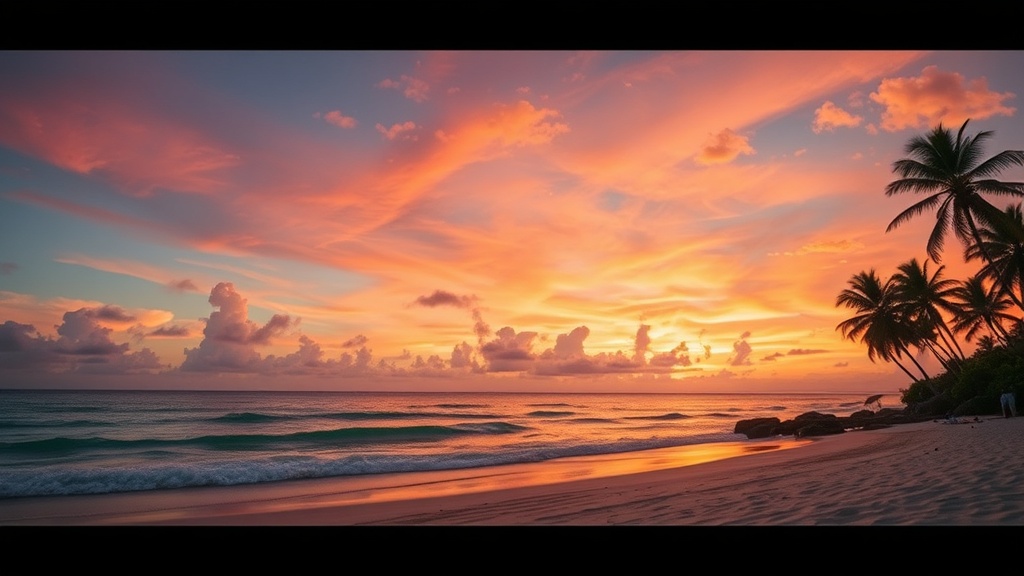
How to Plan the Perfect Tropical Beach Vacation in 10 Easy Steps

Tropical beach vacations promise turquoise waters, powder-soft sand, and the kind of relaxation that recharges the soul. But a poorly planned trip can turn paradise into a headache—overcrowded beaches, surprise expenses, or rainy weather during what was supposed to be the "dry season." This guide walks through ten practical steps to craft a beach getaway that delivers on every expectation. From picking the right island to packing smart, these strategies come from years of visiting coastal destinations and learning (sometimes the hard way) what separates a good vacation from an unforgettable one.
How Do You Choose the Best Tropical Destination for Your Trip?
The best tropical destination depends on your priorities—budget, travel time, activities, and crowd tolerance all play major roles. Someone seeking luxury overwater bungalows will gravitate toward the Maldives or Bora Bora. Budget-conscious travelers often find better value in Thailand's islands or Mexico's Riviera Maya. That said, don't overlook lesser-known gems like Vietnam's Phu Quoc or the Philippines' Siargao.
Flight duration matters more than most people admit. A six-hour hop to Cancun feels very different from twenty-plus hours to Bali. Factor in jet lag recovery time—nobody wants to spend the first two days of a week-long trip feeling foggy.
Here's a quick comparison of popular tropical destinations:
| Destination | Best For | Avg. Flight Time (from US) | Budget Level |
|---|---|---|---|
| Maldives | Honeymoons, luxury resorts | 18-22 hours | $$$$ |
| Thailand (Phuket/Koh Samui) | Food, culture, value | 18-20 hours | $$ |
| Mexico (Cancun/Tulum) | Short trips, convenience | 4-6 hours | $$ |
| Hawaii | US travelers, no passport needed | 6-10 hours | $$$ |
| Greece (Santorini/Mykonos) | History, Mediterranean vibe | 10-14 hours | $$$ |
The catch? Popular destinations book up fast—sometimes six months in advance for peak season. Start researching early, especially if you're eyeing specific resorts or limited-availability experiences.
When Is the Best Time to Book a Tropical Beach Vacation?
The sweet spot for booking international beach vacations falls between three to six months before departure for the best combination of price and availability. Domestic beach trips often show better deals around two months out. Airlines typically release their schedules—and initial pricing—about eleven months in advance. Prices fluctuate, but historical data from Google Flights shows consistent patterns.
Avoid booking during major holidays unless you're prepared to pay premium prices. Christmas week in the Caribbean or Easter in Bali can cost double the shoulder season rates. Here's the thing: shoulder season (the weeks just before or after peak season) offers the best balance. You'll find lower prices, fewer crowds, and still-good weather.
Weather patterns matter enormously in tropical regions. The Caribbean's hurricane season runs June through November—with September and October being the riskiest months. Southeast Asia's monsoon seasons vary by coast. Thailand's Andaman Sea side (Phuket, Krabi) sees heavy rain May through October, while the Gulf side (Koh Samui) gets wet November through January.
Always check historical weather data before committing to dates. Sites like Weather.gov provide monthly averages that help set realistic expectations.
How Much Should You Budget for a Tropical Beach Vacation?
A comfortable tropical beach vacation typically costs between $150-$500 per person per day, depending on destination and travel style. This range covers mid-range accommodations, meals, activities, and local transportation. Budget travelers can stretch $75-$100 daily in places like Vietnam or Nicaragua. Luxury seekers should prepare for $800+ per day in the Maldives or French Polynesia.
Break the budget into categories:
- Flights: Often 30-40% of total trip cost
- Accommodation: 25-35%—varies wildly by star rating
- Food and drinks: 15-20%
- Activities and excursions: 10-15%
- Transportation (local): 5-10%
- Miscellaneous/contingency: 10%
Hidden costs catch many travelers off guard. Resort fees (common in Hawaii and Florida) add $30-$50 nightly. Tourist taxes, departure fees, and mandatory environmental levies appear at checkout. Worth noting: some islands charge tourist taxes per night—Aruba's $3 daily fee seems small until it stacks up over two weeks.
Travel insurance deserves a line item. Tropical destinations face weather disruptions, and medical evacuation from remote islands costs tens of thousands. Travel Guard and similar providers offer comprehensive plans that cover cancellations, medical emergencies, and trip interruptions.
Step 4: Select Accommodations That Match Your Beach Style
Beach accommodations fall into distinct categories—each with trade-offs. All-inclusive resorts bundle everything into one price, perfect for travelers who want simplicity. The Sandals and Beaches resorts in the Caribbean excel at this model. Boutique hotels offer personality and local charm but may lack amenities like beachfront access or pools.
Vacation rentals (Airbnb, VRBO) work brilliantly for groups or families needing kitchen facilities. They also put you in residential neighborhoods—sometimes far from tourist infrastructure. That said, verify the exact location before booking. "Five minutes from the beach" might mean a hot walk along a highway.
Read recent reviews obsessively. Photos lie—professional shots make every property look pristine. Reviews from the past three months reveal current conditions: Is construction noise an issue? Has the beach eroded? Is the Wi-Fi actually functional?
Step 5: Plan Activities Beyond the Beach
Even die-hard beach lovers need variety. Snorkeling, diving, boat tours, and cultural excursions break up the sunbathing and create lasting memories. Research activities before arrival—popular experiences (swimming with whale sharks in Mexico, for instance) book out weeks in advance.
Balance structured activities with unstructured downtime. Three tours in one day sounds ambitious but often leaves everyone exhausted. Mornings work best for active pursuits before the midday heat hits. Afternoons? Perfect for that nap in a hammock.
Local tourism boards maintain excellent websites listing verified operators. In Hawaii, the Go Hawaii site offers activity directories. Never book through random Instagram DMs or unverified WhatsApp numbers—scams abound in tourist hotspots.
Step 6: Master the Packing List
Tropical packing requires strategy. Lightweight, breathable fabrics (linen, moisture-wicking synthetics) outperform cotton, which stays damp and clammy. A quality reef-safe sunscreen (Raw Elements and Sun Bum make excellent options) protects both skin and marine ecosystems—some destinations (Hawaii, Palau) actually ban non-reef-safe formulas.
key items often forgotten:
- Waterproof phone case or pouch
- Portable charger (beach days drain batteries fast)
- Insulated water bottle (hydration matters in humidity)
- Dry bag for boat trips
- After-sun lotion with aloe
- Water shoes for rocky beaches or coral
- Packable rain jacket (tropical storms appear suddenly)
Leave room in the suitcase. You'll want space for souvenirs—and possibly that handmade dress from the beach vendor you weren't planning to buy.
Step 7: Arrange Transportation in Advance
Airport transfers in tropical destinations range from seamless to chaotic. Pre-booking eliminates haggling with taxi drivers after a long flight. Many resorts offer shuttle services—sometimes complimentary, sometimes $50+ per person. Compare costs before committing.
Renting a car provides freedom but comes with caveats. Driving styles differ (aggressively, in many places). Road conditions vary from pristine highways to potholed tracks. Left-side driving (Bahamas, Jamaica, most of Southeast Asia) challenges American drivers. That said, having wheels unlocks hidden beaches and local restaurants impossible to reach otherwise.
Scooters dominate transportation in places like Bali and Thailand's islands. Cheap ($5-$10 daily) and convenient—but dangerous for inexperienced riders. Hospital statistics don't lie: scooter accidents top the list of tourist injuries. If you rent one, wear the helmet (even if locals don't) and skip riding at night.
Step 8: Prepare for Health and Safety
Tropical climates host different health risks. Mosquito-borne illnesses (dengue, Zika, malaria in some regions) require prevention. Pack DEET-based repellent (Sawyer Products makes a highly rated lotion version) and use it diligently—especially at dawn and dusk.
Water safety extends beyond drowning prevention. Not all tropical beaches have lifeguards. Rip currents kill more people than sharks, jellyfish, and stingrays combined. Learn to spot them—a channel of churning, choppy water moving away from shore.
Food and water precautions matter too. "Boil it, cook it, peel it, or forget it" remains solid advice. Ice made from purified water is usually safe in tourist areas, but when in doubt, skip it. Traveler's diarrhea ruins vacations—pack Imodium and oral rehydration salts just in case.
Step 9: Respect Local Culture and Environment
Tropical destinations often host conservative cultures despite the bikini-clad tourism imagery. Temples, villages, and local markets require modest dress—cover shoulders and knees. Thailand's beaches tolerate swimwear, but walking into a 7-Eleven in just a bikini draws disapproval.
Environmental responsibility isn't optional anymore. Coral reefs face unprecedented stress. Touching coral kills it. Standing on it to adjust a mask destroys decades of growth. Use reef-safe sunscreen. Don't feed fish—it disrupts ecosystems. Take only photos, leave only footprints (preferably on sand, not coral).
Learn basic local phrases. "Hello," "thank you," and "how much?" in the local language open doors and soften negotiations. Effort matters more than perfect pronunciation.
Step 10: Build Flexibility Into the Itinerary
The perfect beach vacation embraces imperfection. Rain happens. Restaurants close unexpectedly. That "secret beach" everyone raved about on Reddit turns out to be overcrowded. Build buffer days with no fixed plans. These become lifesavers when weather delays flights or when you simply need a day to do absolutely nothing.
Don't overschedule. The best beach memories often come from unplanned moments—a conversation with a local fisherman, discovering a tiny cafe, watching sea turtles hatch because you stayed on the beach until sunset instead of rushing to dinner.
Document the trip, but don't live through a camera lens. Put the phone down. Feel the sand. Listen to the waves. That's why you came.
Steps
- 1
Choose Your Ideal Tropical Destination
- 2
Book Flights and Accommodation Early
- 3
Pack Essential Beach and Sun Protection Gear