International Women's Day 2026: How to Balance Hormones This Spring

International Women's Day 2026: How to Balance Hormones This Spring
Hook: Ever feel your mood wobble, cravings spike, or sleep shift as the days get longer? You’re not alone—seasonal changes can stir your hormones, and International Women’s Day is the perfect moment to reset.
Why Seasonal Shifts Matter for Women’s Hormonal Health
Spring isn’t just a backdrop for beach trips; it’s a biological cue that nudges our endocrine system. Research shows melatonin, cortisol, thyroid hormones, and even estrogen fluctuate with daylight and temperature changes [Scherbel Clinic; Scientific American]. Understanding these rhythms lets you harness spring’s energy instead of fighting it.
What Can You Do Right Now? (Actionable Tips)
1. How Can Nutrition Support Hormonal Balance During Spring?
- Embrace Seasonal Produce: As the market fills with fresh berries, asparagus, and leafy greens, you get more antioxidants and phytoestrogens that help modulate estrogen metabolism. Aim for a colorful plate at least 5 times a week.
- Prioritize Magnesium‑Rich Foods: Magnesium supports the conversion of progesterone to its calming metabolites. Include pumpkin seeds, almonds, and dark chocolate.
- Mind Your Caffeine Timing: Caffeine spikes cortisol, which is already higher in the morning after daylight lengthening. Limit coffee to before 10 am and switch to herbal teas like chamomile in the afternoon.
2. Which Exercise Routines Align with Hormonal Shifts?
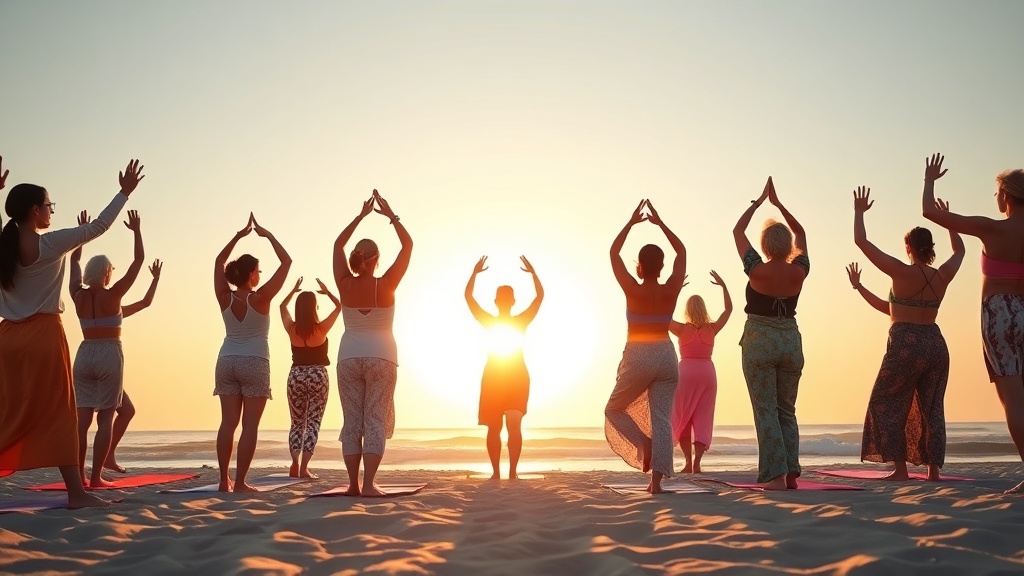
- Sun‑Kissed Yoga: Practicing yoga at sunrise syncs your body’s circadian rhythm, boosting melatonin production for better sleep later. Try a 20‑minute flow focusing on hip openers and gentle twists.
- High‑Intensity Interval Training (HIIT) 2‑3×/week: Short bursts of HIIT elevate growth hormone and improve insulin sensitivity, both crucial for stabilizing mood swings.
- Nature Walks: Walking in natural light stimulates vitamin D synthesis, which influences serotonin and estrogen pathways.
3. How Should Sleep Be Adjusted for the Longer Days?
- Gradual Light Exposure: Use blackout curtains at night and a sunrise alarm lamp in the morning to keep melatonin on schedule.
- Consistent Bedtime: Aim for 7‑8 hours and keep the same bedtime—even on weekends. The body’s internal clock thrives on routine.
- Limit Evening Screen Time: Blue light suppresses melatonin. Swap phone scrolling for a warm‑glow reading lamp.
4. What Stress‑Management Practices Work Best Now?
- Micro‑Meditations: Just 3 minutes of mindful breathing during a work break reduces cortisol spikes (see our recent post on Mindful Tech Breaks).
- Journaling with Intent: Write three gratitude points each morning and a quick “stress dump” before bed to clear mental clutter.
- Grounding Techniques: Walking barefoot on sand or grass grounds you physically and hormonally—studies link grounding to reduced inflammation.
5. How Can You Track Hormonal Changes Effectively?
- Cycle‑Tracking Apps: Use apps that log basal body temperature, mood, and sleep to spot patterns.
- Home Hormone Tests: Kits for cortisol, thyroid, and estrogen are now affordable. Test in the first week of spring and again after a month to gauge shifts.
- Professional Check‑Ins: If you notice persistent irregularities, schedule a visit with a functional‑medicine practitioner.
Quick Checklist for International Women’s Day
- ✅ Fill your plate with seasonal, colorful produce.
- ✅ Do a sunrise yoga session (20 min).
- ✅ Set a consistent bedtime — 7‑8 hrs.
- ✅ Replace evening coffee with herbal tea.
- ✅ Take a 3‑minute micro‑meditation during work.
- ✅ Log your sleep, mood, and cravings in a tracking app.
Takeaway: Celebrate Your Cycle, Not Just the Day
International Women’s Day is a reminder that our bodies are in sync with the planet. By aligning nutrition, movement, sleep, and stress‑relief with spring’s cues, you’ll feel steadier, more energized, and ready to enjoy the beach season ahead. Start today—your hormones (and your future self) will thank you.
Related Reading
- 6 Pillars of a Healthier, Age‑Defying Lifestyle in 2026 — Dive deeper into holistic wellness strategies.
- Mindful Tech Breaks: Quick Meditations to Boost Your Workday — Perfect micro‑meditations for stress management.
- Beach Sun Safety Guide: How to Protect Your Skin and Have Fun — Keep your skin happy as you soak up spring sunshine.
{
  "meta": {
    "faqs": [
      {"question": "How does daylight affect women's hormones?", "answer": "Longer daylight suppresses melatonin, which can shift sleep patterns and indirectly influence cortisol, estrogen, and thyroid hormones."},
      {"question": "What foods support hormonal balance in spring?", "answer": "Seasonal fruits, leafy greens, magnesium‑rich nuts, and phytoestrogen‑rich foods like soy and flaxseed help modulate hormone metabolism."},
      {"question": "Can I track hormonal changes at home?", "answer": "Yes—use cycle‑tracking apps, simple home hormone test kits, and keep a journal of sleep, mood, and diet to spot patterns."}
    ]
  }
}