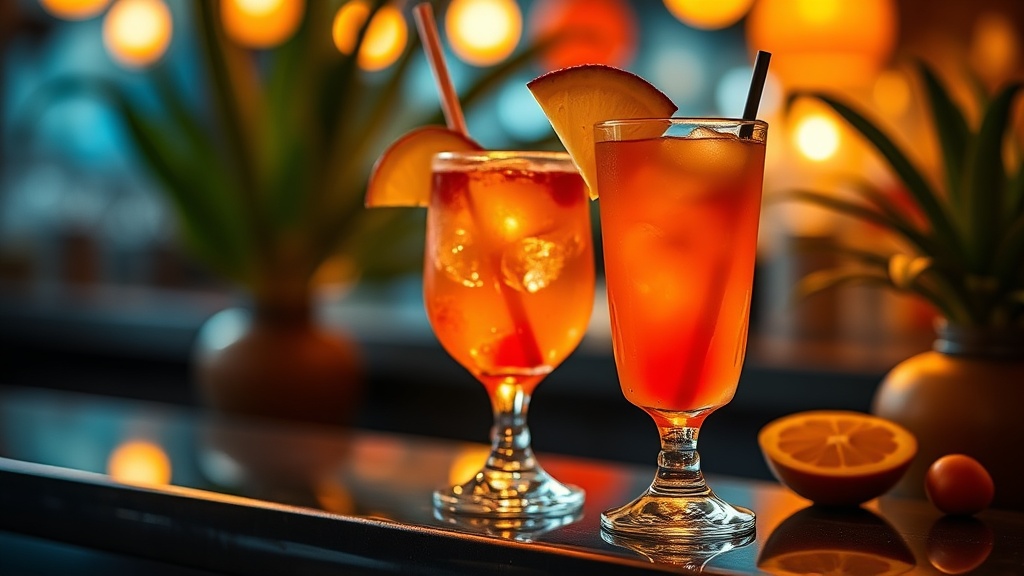
Sipping Sunshine: A Deep Dive into Tropical Fruit Cocktails

A condensation-covered glass sits on a weathered teak wood table, its surface beaded with moisture that catches the golden light of a setting sun. Inside, a vibrant layer of muddled dragon fruit and fresh passion fruit dances against a backdrop of white coconut cream. This isn't just a drink; it's the liquid embodiment of a tropical afternoon. We’re looking at the art of the tropical fruit cocktail—from the chemistry of balancing acidity to the specific fruits that define a coastal destination's identity. If you want to understand why a certain beach bar in Bali or a beach shack in St. Barts feels so much more authentic than a standard hotel lounge, the answer often lies in the fruit they're serving.
The difference between a standard cocktail and a true tropical infusion is the quality of the produce. When you're traveling, you'll notice that the best bars don't use pre-made syrups. They use what's growing nearby. This makes a massive difference in flavor profile and texture.
What Makes Tropical Fruit Cocktails So Refreshing?
Tropical fruit cocktails rely on the high water content and natural acidity of fruits like pineapple, lime, and passion fruit to cut through the sweetness of syrups or spirits. This high level factor is what makes them incredibly thirst-quenching in humid climates. Most high-end tropical cocktails utilize a balance of three elements: a base spirit, a fruit juice, and an acid or bitter agent. For example, a classic Piña Colada relies on the creamy fat of coconut milk to balance the sharp acid of pineapple juice.
The secret is the "acid-to-sugar" ratio. If a drink is too sweet, it feels heavy and cloying in the heat. If it's too acidic, it lacks body. A perfect cocktail hits that middle ground. Think of the way a fresh mango purée can soften the bite of a heavy rum. It’s a delicate dance of flavors.
I often tell my readers that if you're sitting at a beach bar and the drink feels "flat," it's usually because they skipped the fresh citrus step. You can't substitute fresh lime juice with a bottled concentrate and expect the same vibrance. It's a common mistake in mid-tier resorts—one to watch out for when you're scouting for authentic spots.
The Essential Tropical Fruit Profiles
To understand these drinks, you have to know the players. Not all tropical fruits are created equal when it comes to mixology. Some are creamy, some are tart, and some are purely structural. Here is a breakdown of the heavy hitters you'll encounter during your travels:
- Mango: The heavyweight of texture. Mango provides a thick, velvety mouthfeel that works beautifully in frozen or "frozen" style cocktails.
- Passion Fruit: The acid powerhouse. Its sharp, tart flavor is perfect for cutting through rich coconut or heavy syrups.
- Coconut: The versatile base. Whether it's milk, cream, or water, coconut provides the essential fat and hydration that defines the tropical palate.
- Dragon Fruit (Pitaya): The visual showstopper. While the flavor is subtle, the vibrant pink hues make it a favorite for high-end aesthetic cocktails.
- Guava: The aromatic bridge. Guava offers a floral sweetness that bridges the gap between citrus and heavy tropical fruits.
If you want to dive deeper into the botanical properties of these fruits, the Wikipedia page on tropical fruit offers a great overview of how these plants grow and their nutritional profiles.
Which Fruits Are Best for Tropical Cocktails?
The best fruits for tropical cocktails are those with high water content and a strong aromatic profile, such as pineapple, mango, and passion fruit. These fruits provide the structural foundation for both the flavor and the texture of the drink. While many fruits are delicious, some work much better as a base for a cocktail than others. For instance, a drink based on pineapple will always feel more "tropical" than one based on simple citrus because of the way the sugars interact with the acidity.
I've found that the most memorable drinks I've had in the South Pacific or the Caribbean always featured a combination of two contrasting fruit profiles. A "sweet-on-acid" approach is usually the winner. A great example is a Mango-Lime combo—the mango provides the weight, and the lime provides the "pop."
| Fruit Type | Flavor Profile | Best Paired With |
|---|---|---|
| Mango | Sweet, Creamy | Lime, Chili, Coconut |
| Pineapple | Acidic, Bright | Mint, Ginger, Rum |
| Passion Fruit | Tart, Aromatic | Vanilla, Honey, Vodka |
| Coconut | Fatty, Mild | Pineapple, Lime, Coffee |
When you're out exploring, keep an eye on the local menus. If a place lists specific varieties—like Alphonso mango or certain types of local limes—it's a sign they care about the craft. This is a huge indicator of quality. If you're looking for more ways to enjoy the local flavors, check out my guide on exploring hidden tropical paradises where local food and drink play a massive role in the culture.
How Can You Identify High-Quality Tropical Drinks?
You can identify high-quality tropical drinks by looking for fresh-pressed juices, minimal use of artificial syrups, and a visible balance of texture and color. A high-quality cocktail will rarely look neon or "too perfect." It should have the slight irregularities of real fruit. If the menu lists "house-made" or "seasonal" ingredients, you're likely in good hands. If the drink is a bright, translucent neon green, it’s likely a synthetic mix.
Another tip: look at the garnishes. A real tropical cocktail shouldn't just have a plastic umbrella. It should have a slice of fresh fruit, a sprig of mint, or a dusting of spice. The garnish is the first thing you taste—it's the aroma that sets the stage for the first sip. If the bar is using dehydrated fruit or fresh herbs, that's a massive green flag.
It's worth noting that many top-tier tropical destinations, like those in the Caribbean, have strict standards for what can be labeled as "natural." You can often find information regarding food standards through official food and drug administration sites when researching the quality of ingredients in different regions.
One thing I've learned through years of traveling is that the best cocktails are often the simplest. You don't need a dozen ingredients. You just need one or two incredible fruits, a high-quality spirit, and a bit of acidity to tie it all together. A simple-looking drink with high-quality ingredients will always outperform a complex, over-engineered one. It’s about the purity of the fruit. When the fruit is the star, the cocktail becomes an experience rather than just a beverage.
Next time you're at a beach bar, skip the standard "tropical" menu and ask the bartender what fruit arrived fresh this morning. That's where the real magic happens.