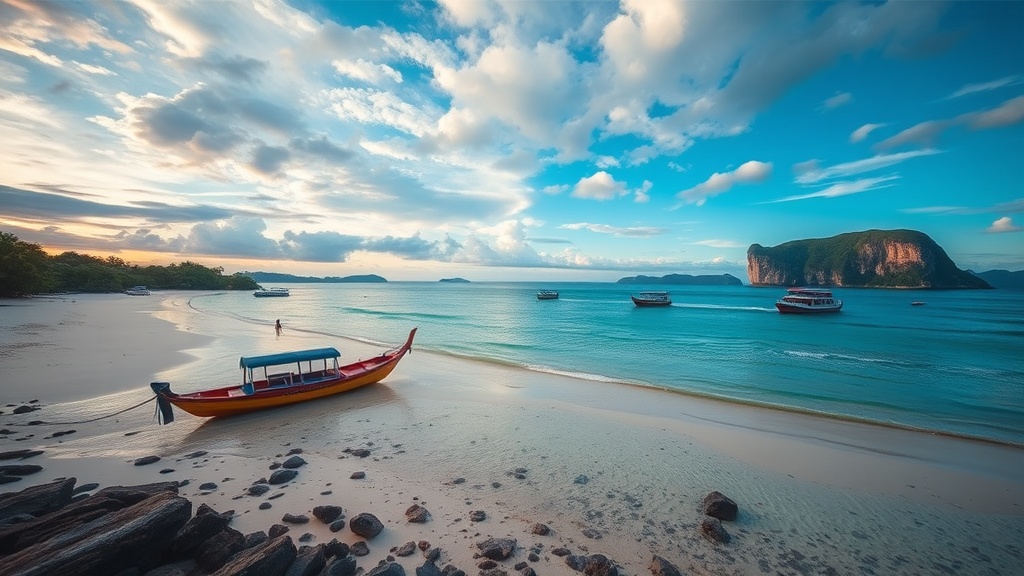
Thailand's Secret Beach Paradises: Your Ultimate Island Escape Guide

Thailand's coastline stretches over 2,000 miles, yet most travelers flock to the same overcrowded beaches that dominate Instagram feeds. This guide reveals the islands and coves where turquoise waters remain unspoiled, where beachfront bungalows cost less than a Bangkok taxi ride, and where the snorkeling rivals the Maldives at a fraction of the price. Whether you're planning a two-week island-hopping adventure or a secluded honeymoon escape, these hidden paradises deliver authentic Thai coastal experiences without the tourist circus.
Where Are Thailand's Best Secret Beaches Located?
Thailand's undiscovered beaches cluster in three distinct regions: the Andaman Sea along the west coast, the Gulf of Thailand to the east, and the remote southern provinces bordering Malaysia. Each area offers dramatically different experiences — limestone karsts versus soft sand dunes, bustling fishing villages versus silent jungle backdrops.
The Andaman coast harbors the country's most spectacular hidden gems. Provinces like Satun and Trang remain largely bypassed by the backpacker trail that terminates at Koh Phi Phi. Here, you'll find Koh Lipe — a tiny island with powder-white sand that rivals anything in the Caribbean, yet attracts a fraction of the visitors.
The Gulf side offers different advantages. Islands like Koh Kood and Koh Mak maintain their sleepy fishing-village atmosphere because they're harder to reach. No direct flights, no full-moon parties — just coconut groves, empty beaches, and family-run guesthouses where the owner remembers your name.
The deep south — provinces like Narathiwat and Pattani — contains pristine stretches of coast that rarely appear in English-language guidebooks. That said, security concerns in this region require careful research and current travel advisories before visiting.
Which Thai Islands Offer the Best Value for Money?
Koh Lanta, Koh Chang (the Ranong one, not the touristy eastern version), and Koh Phayam deliver luxury-level experiences at Southeast Asian prices. Beachfront bungalows run $15-30 nightly. Fresh seafood dinners cost under $10. Longtail boat charters — $40 for half a day.
| Island | Average Bungalow/Night | Meal Cost | Best For |
|---|---|---|---|
| Koh Lipe | $25-50 | $8-15 | Snorkeling, diving |
| Koh Kood | $30-60 | $10-20 | Luxury on a budget |
| Koh Phayam | $15-25 | $5-12 | Digital nomads |
| Koh Mak | $20-40 | $8-15 | Families, couples |
| Koh Bulon Lae | $20-35 | $7-14 | Total isolation |
Koh Phayam deserves special mention. This car-free island off Ranong province has only a handful of small resorts. Electricity runs on generators that shut off at midnight. The main beach — Aow Yai — stretches for three kilometers with maybe twenty people on it during high season. Worth noting: the island has no ATMs, so bring cash.
Koh Mak offers a middle ground. Larger than Phayam but smaller than Chang, it boasts excellent roads for scooter exploration and a growing scene of boutique eco-resorts. The water here stays shallow far from shore — perfect for wading with a Singha beer in hand.
What's the Best Time to Visit Thailand's Hidden Beaches?
November through April brings dry weather, calm seas, and the best underwater visibility — but also higher prices and more crowded ferries. The sweet spot? Late October or early May. You'll trade occasional afternoon showers for half-price accommodations and beaches where your footprints are the only ones in the sand.
The Andaman and Gulf coasts operate on opposite weather patterns. When monsoons lash Phuket (May-October), Koh Samui and Koh Phangan enjoy their driest months. Smart travelers use this to their advantage — chasing summer across the peninsula as seasons shift.
Here's the thing about "low season" — some smaller islands essentially shut down. Koh Bulon Lae, for example, sees most resorts close from May through October. The catch? The ones that stay open offer rock-bottom rates and exclusive access to empty beaches. Pack a rain jacket and embrace the adventure.
Water temperature remains bathtub-warm year-round (26-30°C / 79-86°F), so snorkeling and diving stay comfortable regardless of season. Visibility fluctuates dramatically though — from 30+ meters in February to 5 meters after a storm in September.
Getting to the Remote Islands
Reaching these paradises requires effort. That's precisely why they remain undiscovered. The path typically involves: flight to Bangkok or Krabi, bus or private transfer to a provincial pier, then a ferry or speedboat crossing that can range from 30 minutes to three hours depending on the destination.
Bundhaya Speedboat and Satun Pakbara Speedboat Club operate reliable services to the southern islands during high season. Booking through 12go.asia simplifies multi-leg journeys — their platform consolidates ferries, buses, and trains across Southeast Asia.
For the truly remote spots like Koh Kradan or Koh Ngai, longtail boats from the mainland become your only option. These wooden vessels — painted in garish oranges and blues — carry everything from German tourists to cases of Leo beer and live chickens. The ride gets bumpy. Bring seasickness medication (Stugeron works well) and waterproof bags for electronics.
Where to Stay: Accommodation Guide
Skip the international chains. Thailand's secret beaches shine through family-run bungalows and boutique eco-resorts that blend into the terrain.
On Koh Lipe, Castaway Resort occupies prime position on Sunrise Beach. Their wooden bungalows hover over turquoise water on stilts — expect to pay 2,500-4,000 THB ($70-115) nightly during peak season. The in-house restaurant serves exceptional massaman curry.
Koh Kood's Peter Pan Resort offers overwater bungalows at a fraction of Maldives prices. We're talking $80-120 per night for direct lagoon access and glass-floor panels for fish-watching. Compare that to Bora Bora's $800+ rates.
Budget travelers should head to Koh Phayam's Buffalo Bay. Hippy Bar and Buffalo Bay Vacation Club provide basic but comfortable bungalows starting at 400 THB ($12). Cold showers, mosquito nets, hammocks on the porch — the essentials, nothing more.
Activities Beyond the Beach
Snorkeling dominates the activity list. The coral reefs around Koh Lipe's nearby islands — Koh Adang and Koh Rawi — teem with clownfish, parrotfish, and occasional reef sharks. Rent gear from walking street shops (about 150 THB/day) or join organized tours through PADI-certified operators like Forra Dive.
Kayaking through mangrove forests offers a change of pace. Koh Kood's interior hides waterfalls accessible only by paddle — paddle up the estuary, tie off the kayak, and hike twenty minutes to reach swimming holes beneath cascading water. Bring sturdy water shoes; the rocks get slippery.
Fishing villages provide cultural immersion. On Koh Mak, the hamlet of Ao Nid still operates as a working port. Watch squid drying on racks, chat with fishermen repairing nets, and eat at restaurants where your meal was swimming that morning. Try the pla pao — salt-crusted grilled tilapia stuffed with lemongrass.
Yoga and wellness retreats grow increasingly common. Koh Phangan's northern beaches (away from the party scene) host centers like The Yoga Retreat that offer week-long programs with accommodation included. Expect to pay $400-600 for seven days of classes, meals, and a private bungalow.
"The best beach in Thailand is the one where you're the only foreigner. Look for the places without English menus — that's where the magic happens." — Local expat wisdom, overheard at a Koh Lanta beach bar
Practical Tips for Island Hopping
Pack light. Seriously light. Ferries have strict weight limits, and you'll carry bags across sand to reach most bungalows. A 40-liter backpack suffices for weeks of island hopping.
Cash remains king on smaller islands. ATMs exist on Koh Lipe and Koh Kood but charge 220 THB ($6) per withdrawal and frequently run empty. Bring sufficient baht from the mainland.
WiFi quality varies dramatically. Koh Phayam and Koh Mak offer decent connectivity — digital nomads work from beachfront cafes with reasonable reliability. Koh Bulon Lae and more remote spots? Forget video calls. Embrace the disconnection or purchase a Thai SIM card (AIS has the best island coverage).
Respect local customs. Many of these islands have Muslim fishing communities. Cover up when walking through villages — save the bikinis for the beach itself. During Ramadan, eating publicly during daylight hours in village areas causes offense.
Environmental responsibility matters more than ever. The coral bleaching of 2023-2024 hit Thai reefs hard. Use reef-safe sunscreen (SunButter and Raw Elements make excellent zinc-based options). Don't touch the coral — even dead-looking pieces anchor future reef growth. And skip the plastic water bottles; most bungalows offer refill stations.
Thailand's secret beaches reward those willing to trade convenience for authenticity. The ferries run irregularly. The electricity cuts out. The roosters wake you at dawn. But when you swim in water so clear you can count fish at fifteen meters depth, when you watch the sun set from a beach entirely your own — you'll understand why veteran travelers guard these coordinates jealously. Book that ticket. The islands are waiting.