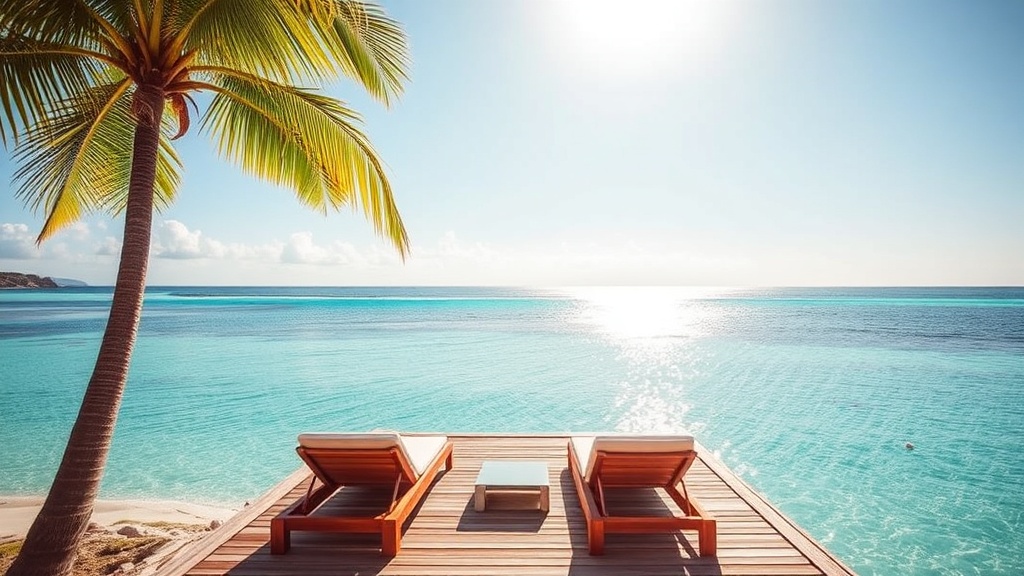
The Ultimate Tropical Beach Escape Blueprint: How to Plan a Seamless, Sun-Soaked Getaway

There’s a difference between a beach trip and a beach escape. One is a break. The other feels like stepping into a different rhythm entirely—where mornings start with salt air, afternoons blur into turquoise horizons, and time quietly loosens its grip.
This guide is built for the latter. If you want a tropical getaway that actually feels effortless (not just looks good in photos), you need more than a destination—you need a strategy.

Pick the Right Kind of Beach (Not Just the Popular One)
Not all beaches deliver the same experience, even if they look similar on social media. The first decision isn’t where—it’s what kind of beach energy you want.
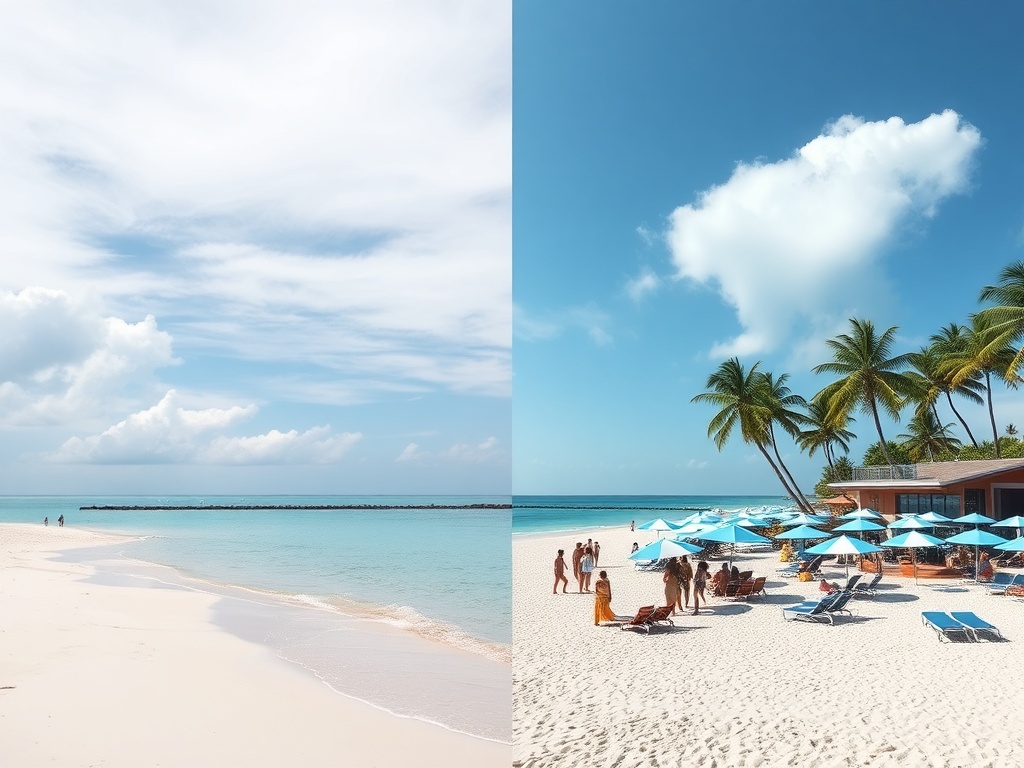
- Slow & secluded: Think fewer crowds, boutique stays, and long stretches of uninterrupted sand.
- Social & vibrant: Beach clubs, music, cocktails, and a steady buzz of activity.
- Adventure-driven: Surf breaks, snorkeling reefs, boat trips, and hiking trails.
Choosing incorrectly is the fastest way to feel disconnected from your own trip. A quiet traveler in a party hotspot—or the reverse—creates friction you’ll feel every day.
Time Your Trip Like a Local Insider
The best beach destinations don’t operate on a simple “high season vs low season” calendar. There are micro-seasons—shoulder weeks where the weather is still excellent but the crowds thin out dramatically.
Look for:
- Post-holiday lulls (early January, late April)
- Pre-peak windows (early June, late September)
- Weekday-heavy itineraries to avoid weekend surges
Rain forecasts in tropical regions are often misleading. A “rainy day” might mean a 20-minute downpour followed by hours of sunshine. Don’t overcorrect and miss ideal travel windows.

Choose Accommodation That Matches Your Rhythm
Where you stay shapes everything—sleep quality, daily flow, even how often you leave your room.
Three proven approaches:
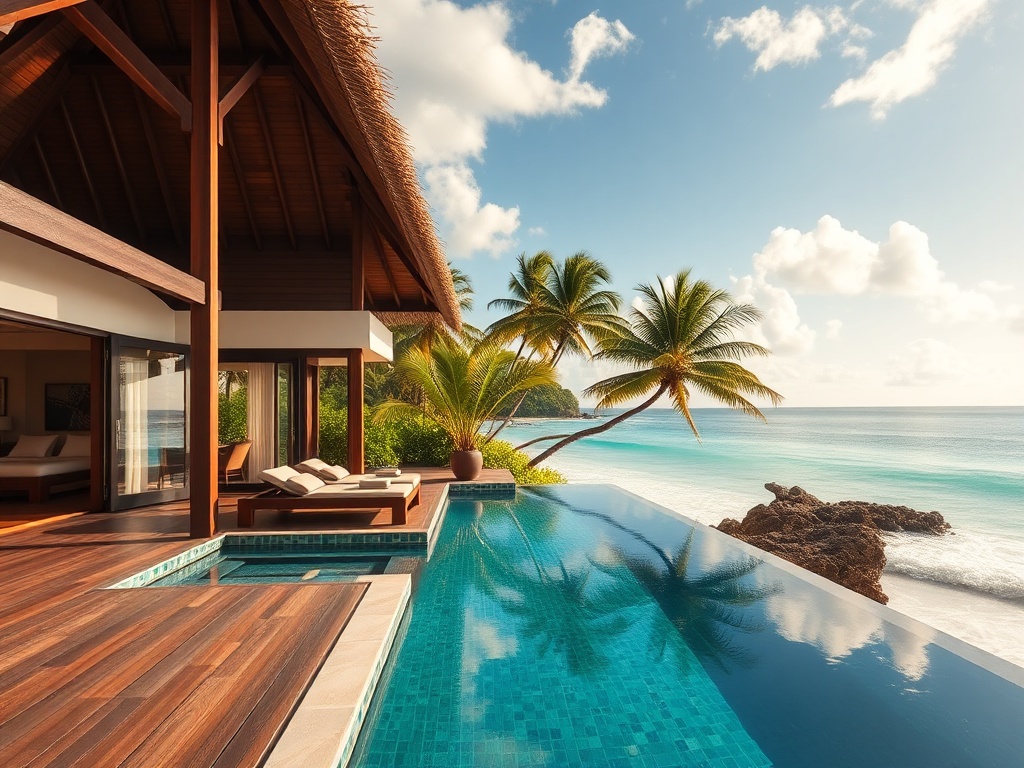
- Beachfront immersion: Step out onto the sand. Best for short trips and maximum relaxation.
- Cliffside perspective: Elevated views, more privacy, dramatic sunsets.
- Central village stays: Walkable access to food, culture, and nightlife.
What matters most isn’t luxury—it’s friction. Long transfers, noisy neighbors, or poor air circulation can quietly erode the experience.
Build a Flexible Daily Flow (Not a Packed Itinerary)
Overplanning ruins beach trips faster than bad weather. The goal isn’t to schedule every hour—it’s to create a rhythm.
A simple structure works best:
- Morning: Movement (walk, swim, paddle)
- Midday: Shade, food, rest
- Late afternoon: Exploration or water activity
- Evening: Slow dinner, sunset, minimal plans
This keeps your energy aligned with the environment instead of fighting it.
Pack for Function, Not Just Aesthetic
It’s easy to overpack outfits and underpack essentials. The best beach travelers optimize for comfort and adaptability.
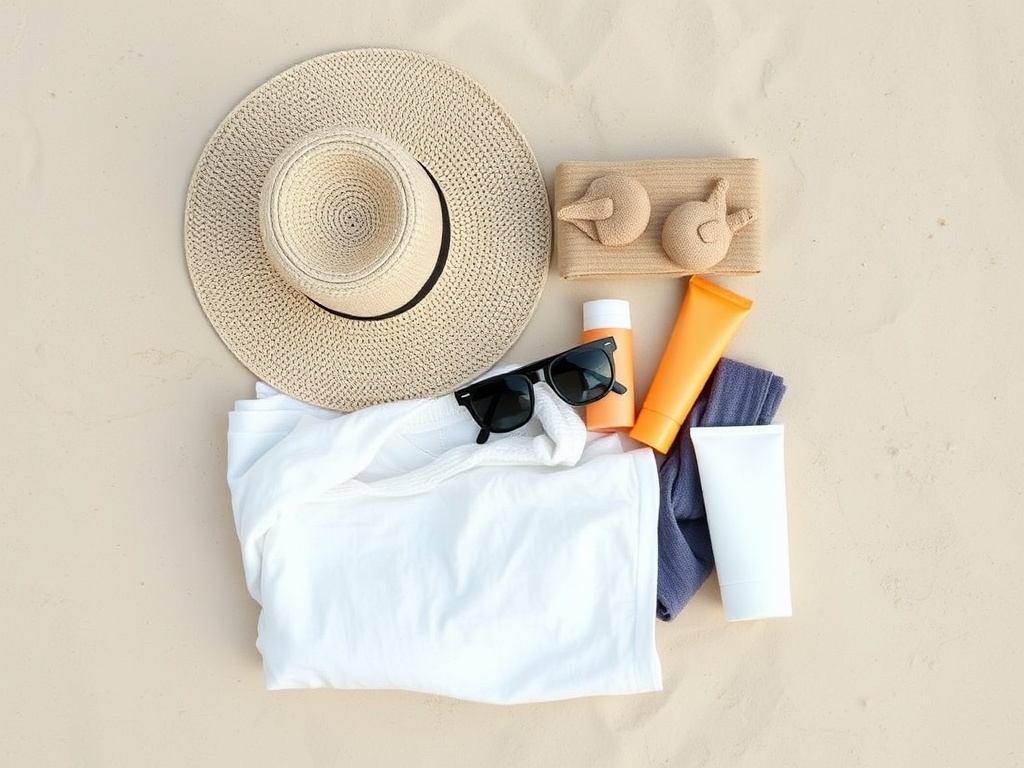
- Breathable fabrics (linen, light cotton)
- Reef-safe sunscreen
- Compact dry bag for water excursions
- Sand-resistant towel or blanket
- Slip-on footwear for quick transitions
If something slows you down or makes you hesitate (“Should I bring this?”), it usually doesn’t belong in your bag.
Understand the Food Scene Before You Arrive
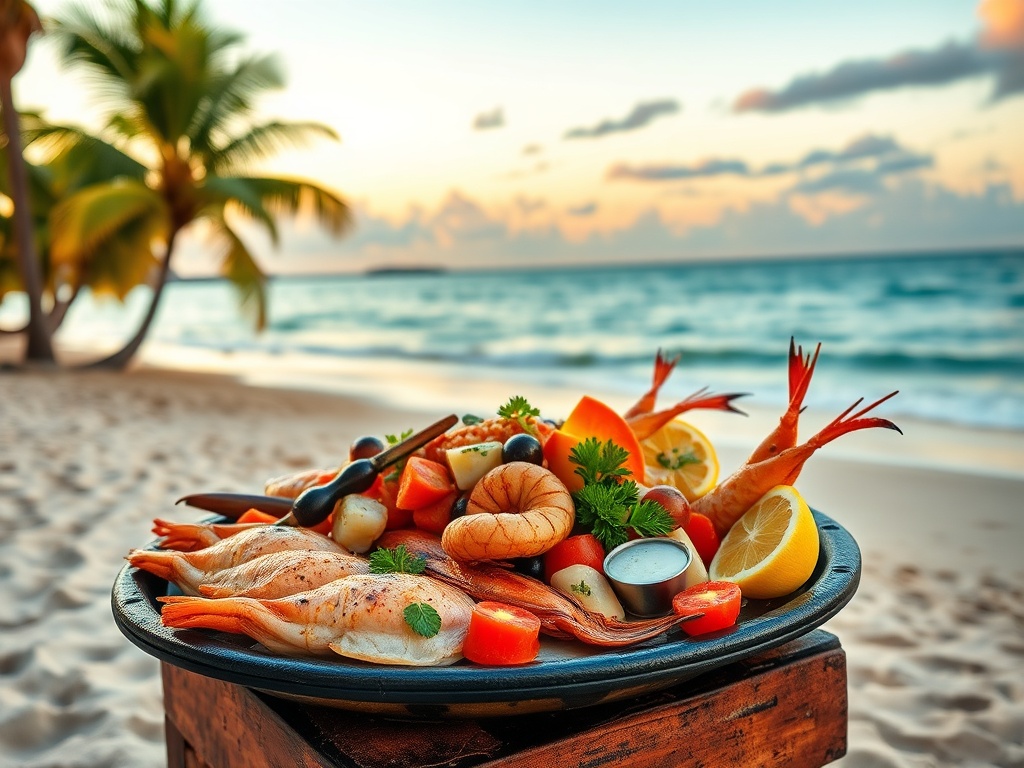
Food can elevate or flatten your entire trip. Some beach destinations lean heavily on resorts, while others thrive on local street food and family-run kitchens.
Do a quick pre-trip scan:
- Are reservations required at top spots?
- Is tipping expected or included?
- Are there must-try local dishes you should prioritize?
The best meals are often the least polished ones—served steps from the sand, with plastic chairs and unforgettable flavor.
Plan One Anchor Experience (Then Leave Space)
Instead of cramming activities, choose one standout experience:
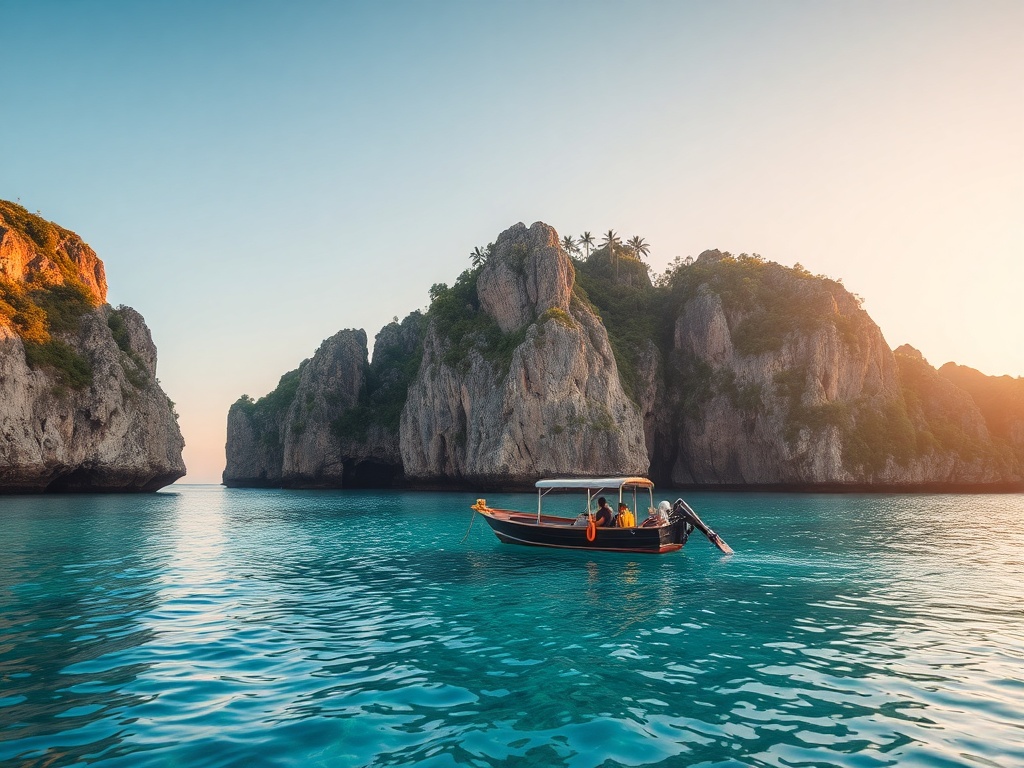
- A boat day to hidden coves
- A guided snorkeling or diving trip
- A sunset sail
- A coastal hike to a remote beach
This becomes the highlight—the story you’ll tell later. Everything else can stay flexible.
Protect Your Energy, Not Just Your Skin
Sunburn is obvious. Energy drain is subtle.
Heat, dehydration, and constant stimulation can quietly exhaust you. Build in recovery without labeling it as “doing nothing.”
- Hydrate consistently (not just when thirsty)
- Take shade breaks earlier than you think you need
- Avoid stacking too many activities in one day
The goal is to feel better on day five than you did on day one.

Leave Room for the Unexpected Moments
The best parts of a beach escape are rarely planned: a conversation with a local, a hidden stretch of sand you stumble onto, a meal you didn’t research.
If your schedule is too tight, those moments don’t happen.
Build your trip so that discovery isn’t an accident—it’s inevitable.

Final Thought: Design for Feeling, Not Just Logistics
Most travel guides focus on logistics—flights, hotels, checklists. Useful, but incomplete.
The difference between a good trip and a memorable one is how it feels while you’re there. Calm, light, unhurried. That doesn’t happen by default. It’s designed—through small decisions that remove friction and create space.
Do that well, and the beach stops being a destination. It becomes a state of mind you carry with you long after you leave.