The Ultimate Tropical Beach Packing Guide: What Actually Matters (and What Doesn’t)

Packing for a tropical beach trip sounds easy—until you’re halfway to the airport wondering if you forgot something that actually matters. Most packing lists are bloated with items you’ll never touch. This guide cuts through that noise and focuses on what genuinely improves your beach experience.
Start With the Reality of Your Destination
Not all beaches are created equal. A resort-heavy Caribbean island demands a different packing strategy than a rugged Pacific coast or a remote Southeast Asian shoreline.
Humidity, accessibility, and local infrastructure matter more than aesthetics. If you’re heading somewhere where shops are limited, your packing list needs to lean practical. If you’re staying at a full-service resort, you can afford to be lighter.
- High humidity: breathable fabrics only
- Remote locations: bring backups of essentials
- Luxury resorts: focus on comfort and style, less redundancy

Clothing: Less Quantity, Better Choices
Overpacking clothes is the most common mistake. You don’t need more outfits—you need smarter ones.
The Core Rotation
- 2–3 lightweight tops (linen or moisture-wicking cotton)
- 1–2 pairs of shorts or skirts
- 1 versatile evening outfit
- 2 swimsuits (rotation is key in humid climates)
Stick to a cohesive color palette so everything mixes easily. Neutrals and light tones dominate for a reason—they reflect heat and pair effortlessly.
Footwear That Pulls Its Weight
You need exactly three types of footwear:
- Comfortable walking sandals
- Flip-flops for the beach
- Optional: lightweight sneakers for excursions
Sun Protection Isn’t Optional
This is where most people underpack—and regret it.
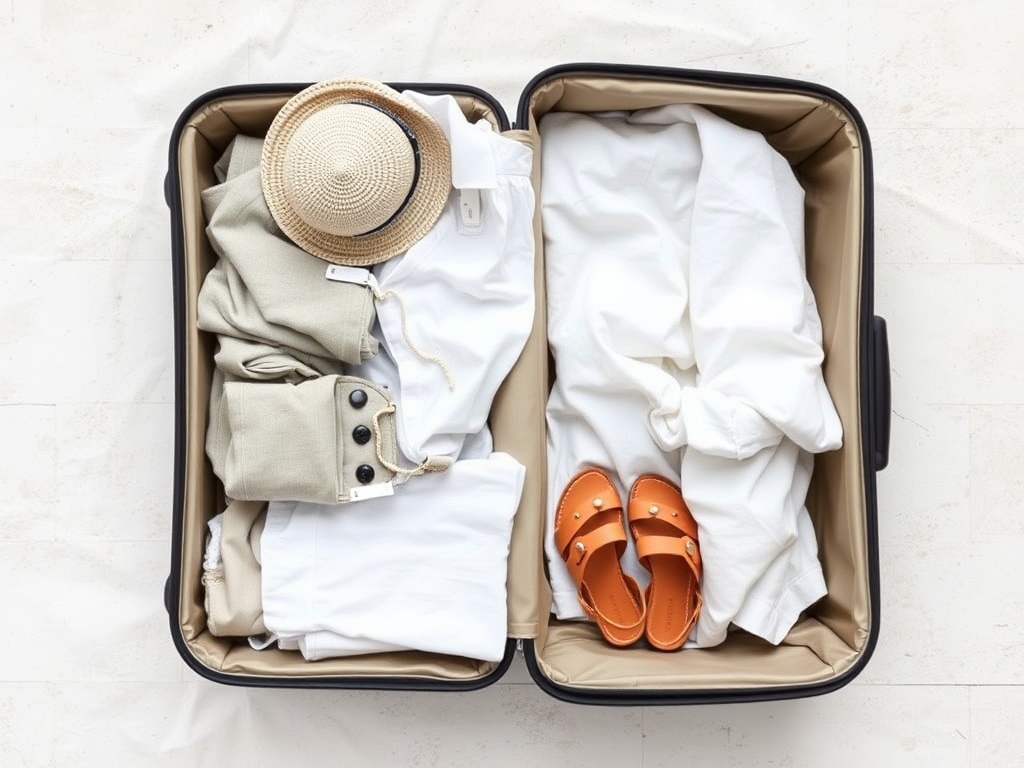
- High-SPF sunscreen (reef-safe if applicable)
- Polarized sunglasses
- Wide-brim hat or cap
- Lightweight cover-up or rash guard
Sunburn will derail your trip faster than anything else. Prioritize prevention over aftercare.

Beach Gear Worth Bringing
Resorts and rentals often provide gear—but not always the kind you want. Bring the items that make your day easier.
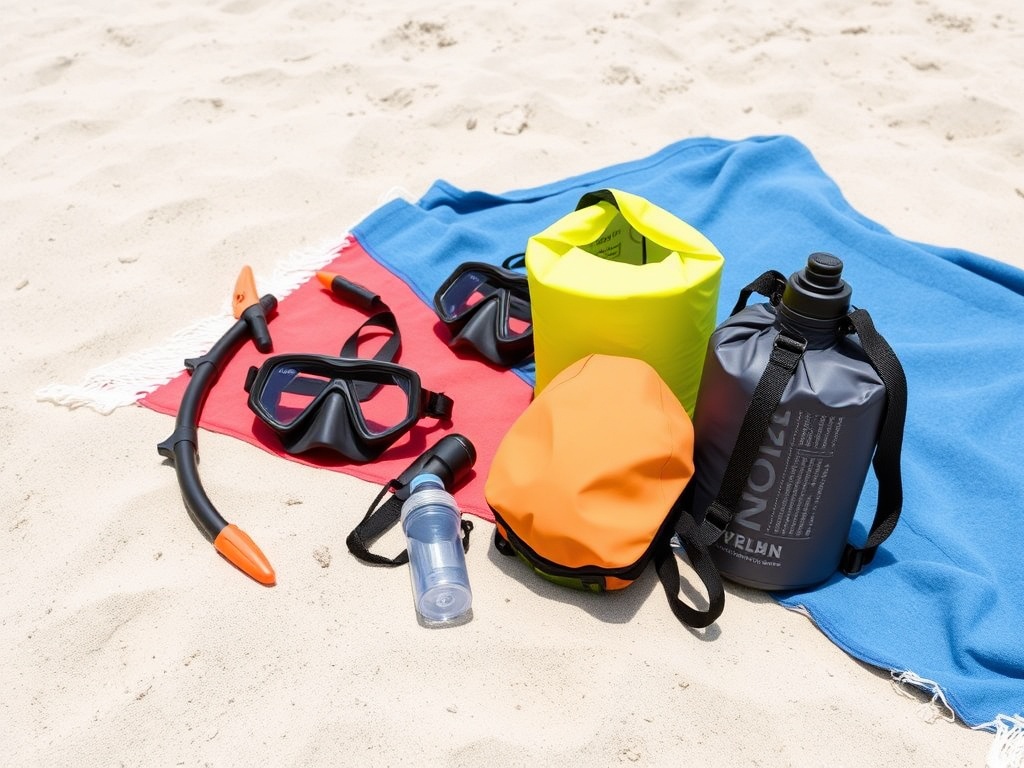
- Quick-dry microfiber towel
- Compact beach blanket
- Reusable water bottle
- Dry bag for electronics
If you’re planning water activities, consider your own snorkel set for hygiene and fit.
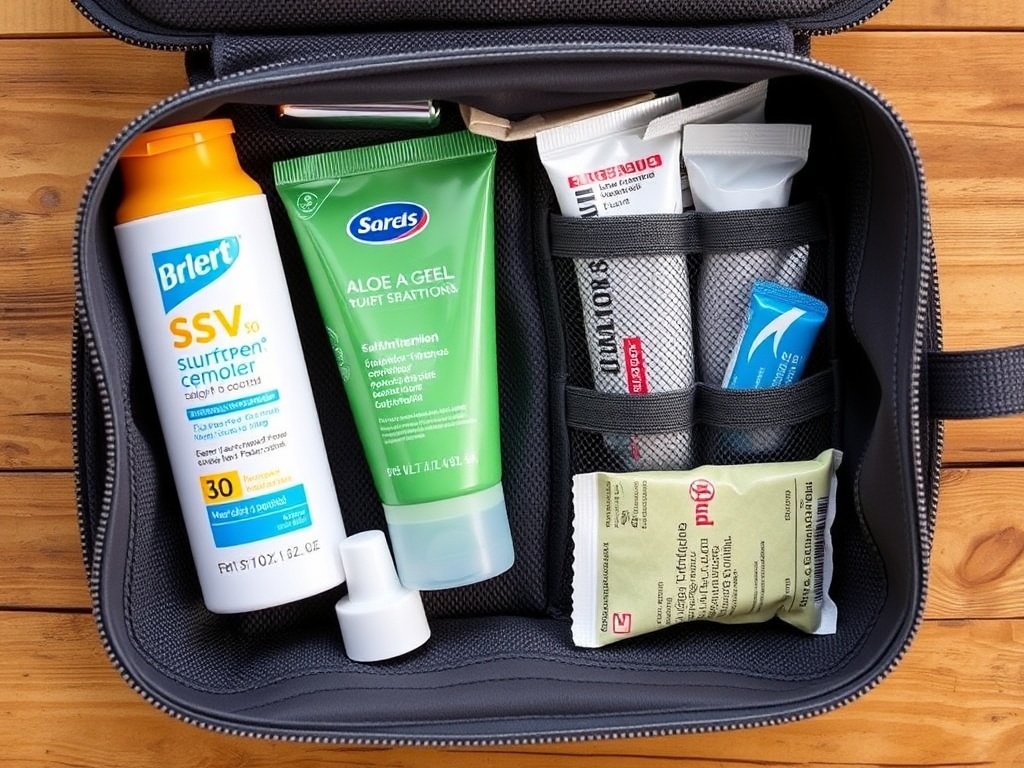
Toiletries and Health Essentials
Keep this tight but intentional. Focus on items that are hard to replace locally or that you rely on daily.
- Travel-size toiletries
- Aloe vera or after-sun lotion
- Basic first-aid kit
- Motion sickness or allergy medication
Don’t overpack “just in case” items—you’ll rarely use them.
Tech and Travel Documents
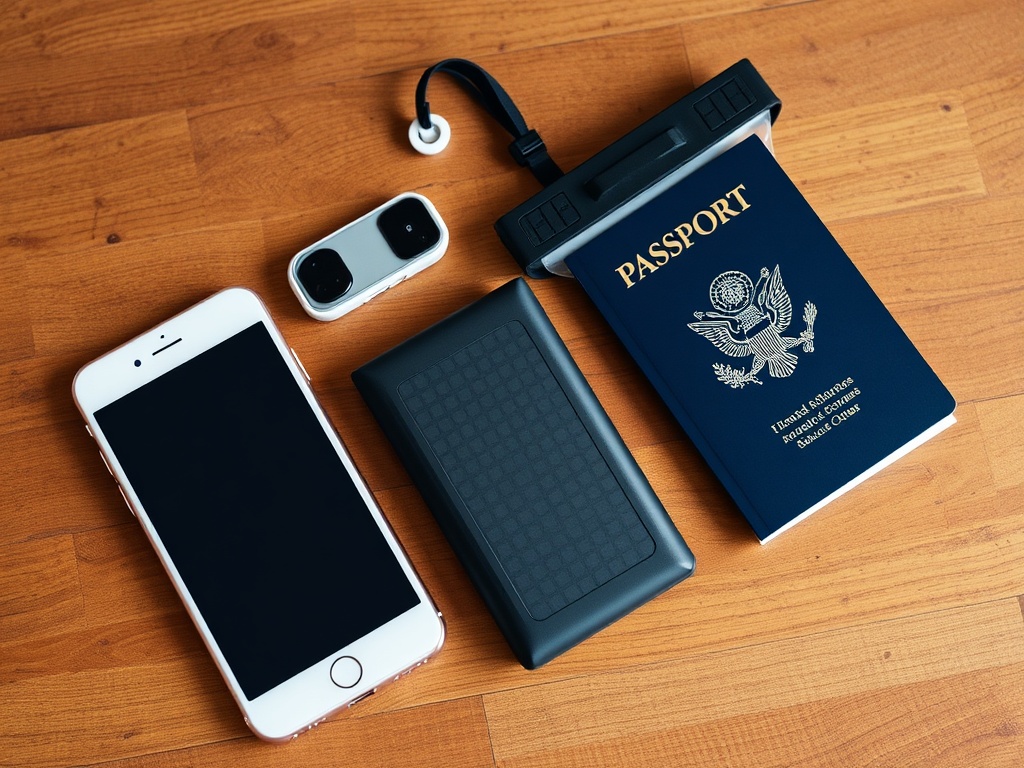
Keep your tech minimal but purposeful.
- Phone + charger
- Portable power bank
- Waterproof phone pouch
- Copies of travel documents
Cloud backups of your documents add an extra layer of security.
What You Should NOT Pack
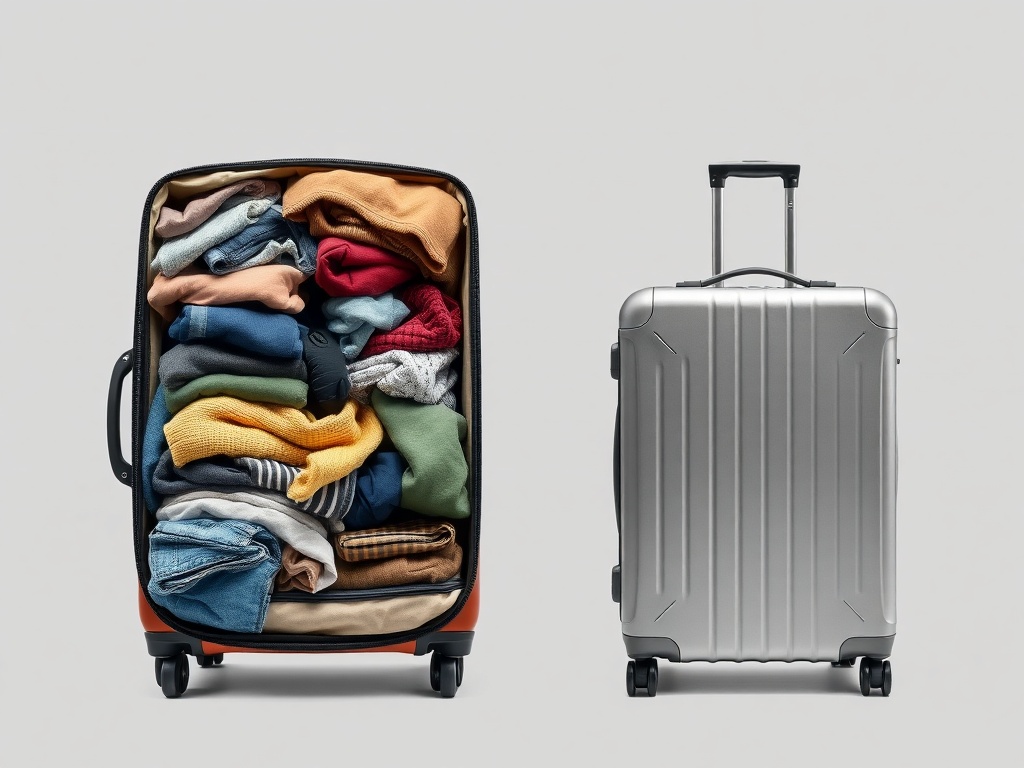
This is where most lists fail. Cutting these items saves space and mental load.
- Too many outfits
- Heavy books (use e-readers)
- Full-size toiletries
- "Backup" shoes you won’t wear
If you hesitate about an item, you probably don’t need it.
Smart Packing Strategies That Actually Work
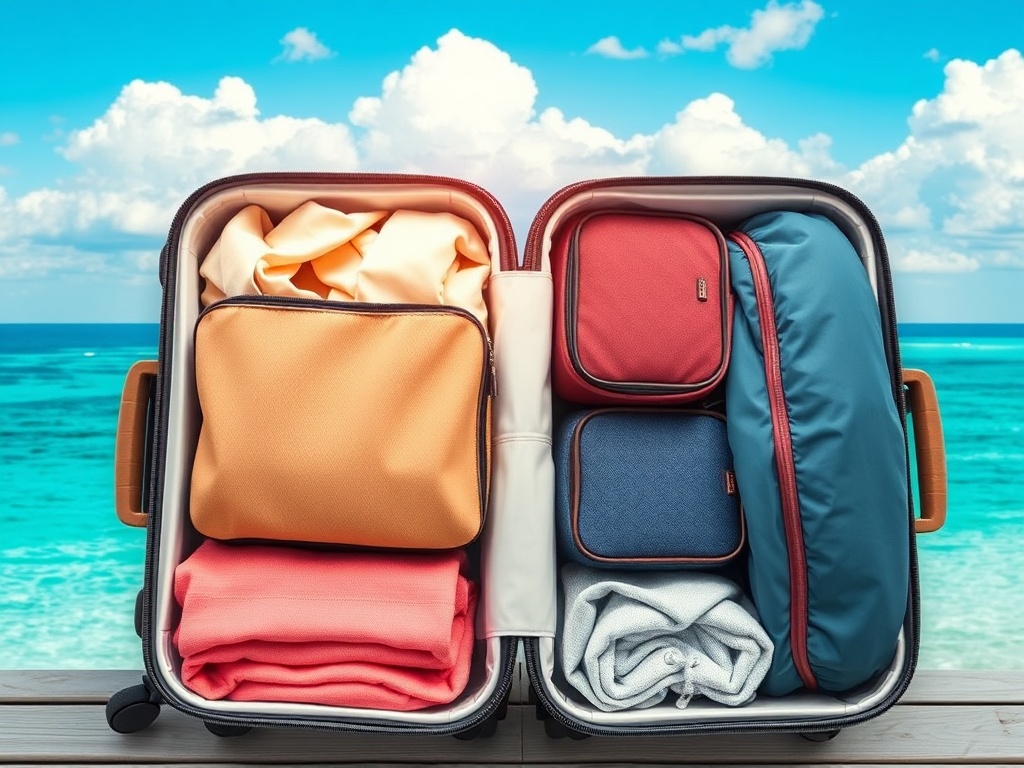
Packing cubes keep your bag organized and compress bulk. Rolling clothes minimizes wrinkles and maximizes space. Keep a separate pouch for wet items.
Wear your bulkiest items during transit. That single decision frees up surprising space.
Final Thoughts
The best beach packing strategy is restraint. Bring what enhances your experience and leave the rest behind. You’ll move easier, stress less, and spend more time enjoying where you are instead of managing what you brought.