
The Ultimate Tropical Beach Trip Planning Guide (From Flights to Flip-Flops)

Planning a beach trip sounds simple—pick a sunny destination, book a flight, and show up. In reality, the difference between a forgettable vacation and one you replay in your head for years comes down to preparation. This guide cuts through the fluff and walks you through how to plan a tropical beach trip that actually delivers.
Choose the Right Destination (Not Just the Popular One)
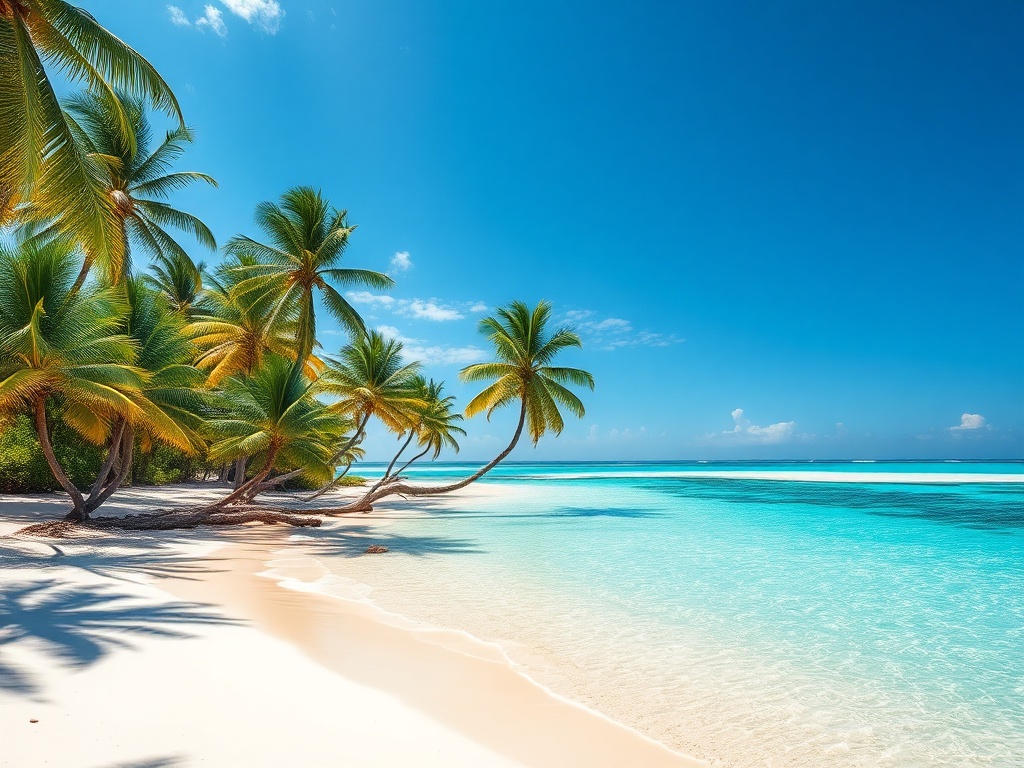
Start with a question most people skip: what kind of beach trip do you actually want? Quiet, barefoot luxury feels very different from a high-energy party coastline.
Consider seasonality, water conditions, and crowd patterns. Caribbean islands shine in winter, Southeast Asia peaks in dry season, and some Mediterranean beaches are best shoulder-season when locals reclaim them.
- For calm water: Look for reef-protected beaches
- For surfing: Research swell seasons
- For snorkeling: Check visibility and marine life
Time Your Trip Like a Local

High season isn’t always the best season. It’s just the most marketed.
Travel just before or after peak crowds and you’ll get better prices, better service, and often better weather. Shoulder seasons are where experienced travelers live.
Also check:
- Rain patterns (short bursts vs all-day storms)
- Sea conditions (calm vs rough)
- Local festivals (great or chaotic, depending on your goal)
Flights: Stop Overpaying for Convenience
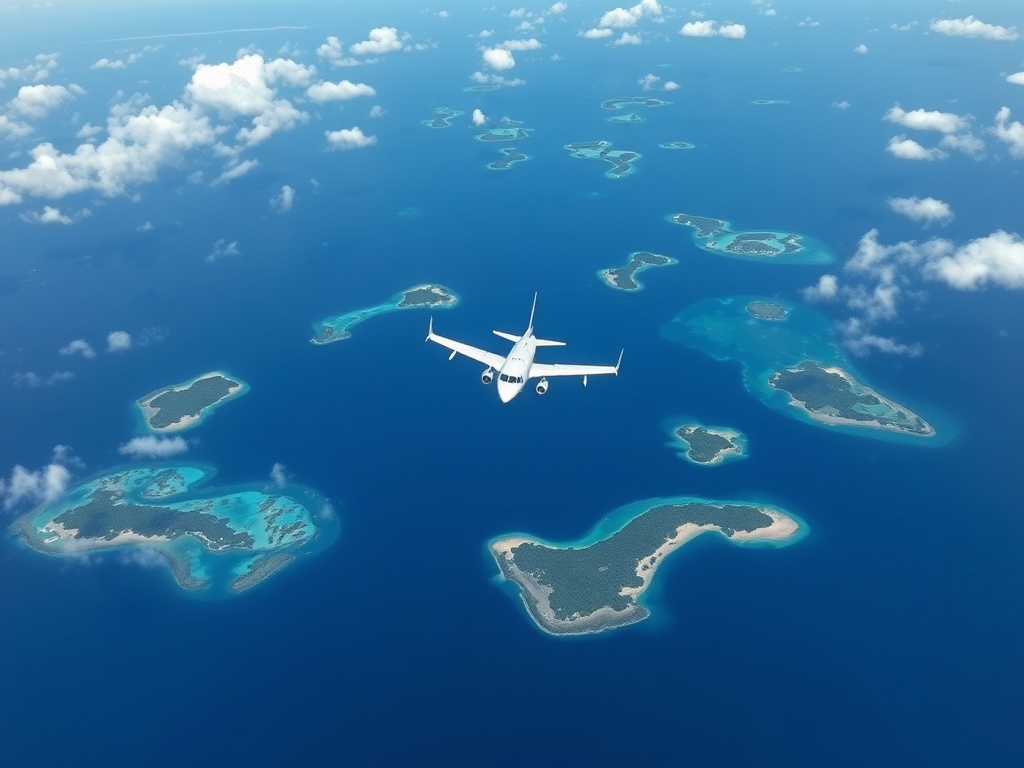
Direct flights are easy—but rarely the best value. Adding a short connection can cut your costs significantly.
Book flights 6–10 weeks ahead for most beach destinations. Use flexible date searches and track price trends.
Pro tip: arrive early in the day. Losing your first beach day to a late arrival is a rookie mistake.
Where You Stay Changes Everything
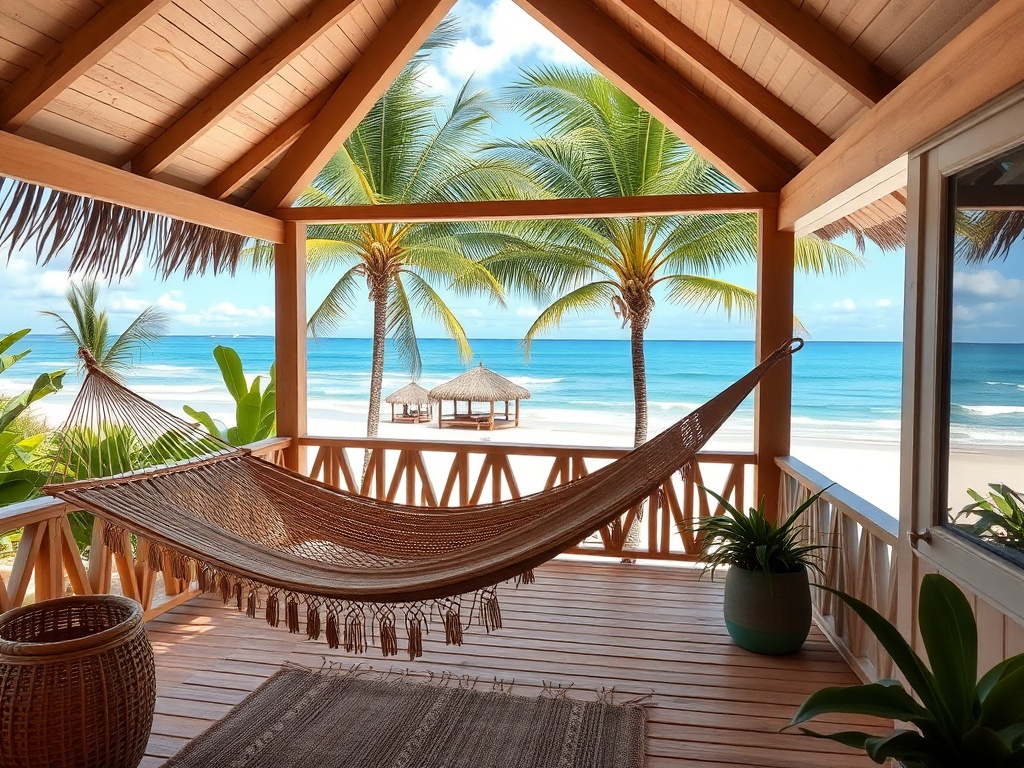
Accommodation isn’t just where you sleep—it defines your entire trip.
Beachfront sounds obvious, but proximity matters more than luxury. A simple bungalow on the sand often beats a luxury resort 15 minutes away.
- Resorts: Easy, predictable, less local flavor
- Boutique hotels: Stylish, curated, more character
- Vacation rentals: Space, privacy, but less service
Pack Like You’ve Done This Before
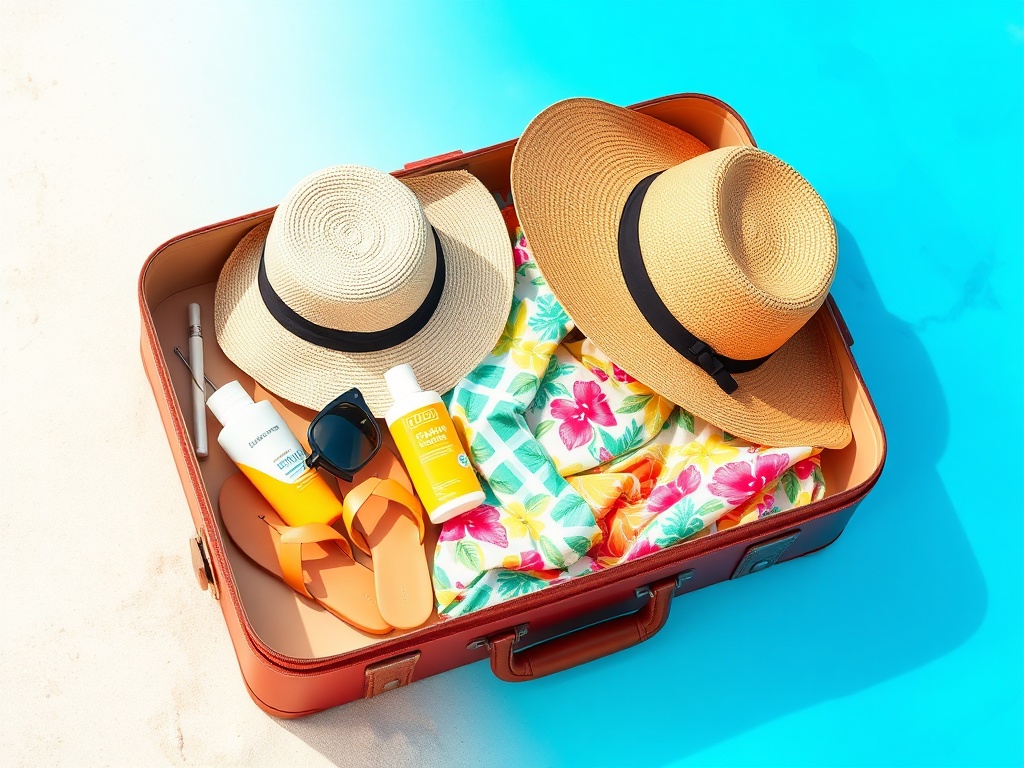
Overpacking kills beach trips. You won’t wear half of what you bring.
What actually matters:
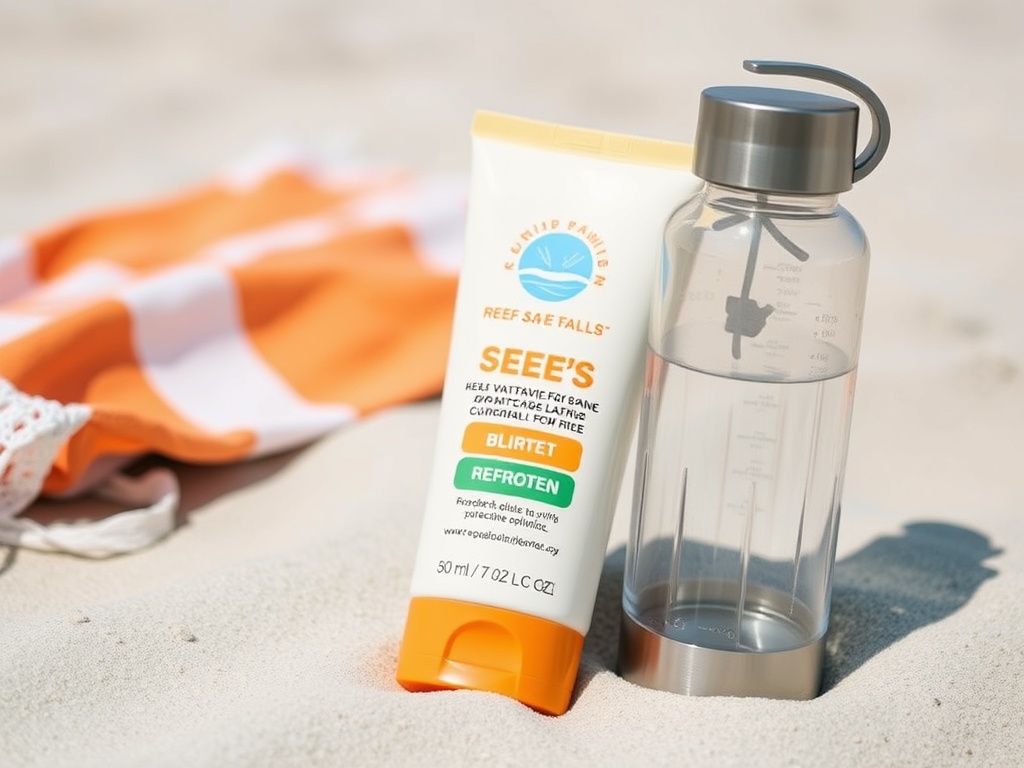
- High-quality sunscreen (reef-safe if applicable)
- Lightweight clothing you can layer
- One good pair of sandals
- A dry bag for water activities
Leave the "just in case" outfits at home.
Build a Loose Itinerary (Not a Spreadsheet)

Beach trips fail when they’re overplanned. You’re not here to optimize—you’re here to slow down.
Pick 1–2 anchor activities per day, then leave space for doing nothing. That’s the point.
Examples:
- Morning snorkel, afternoon beach time
- Boat tour, sunset dinner
- Early hike, lazy afternoon swim
Eat Like You’re Actually There
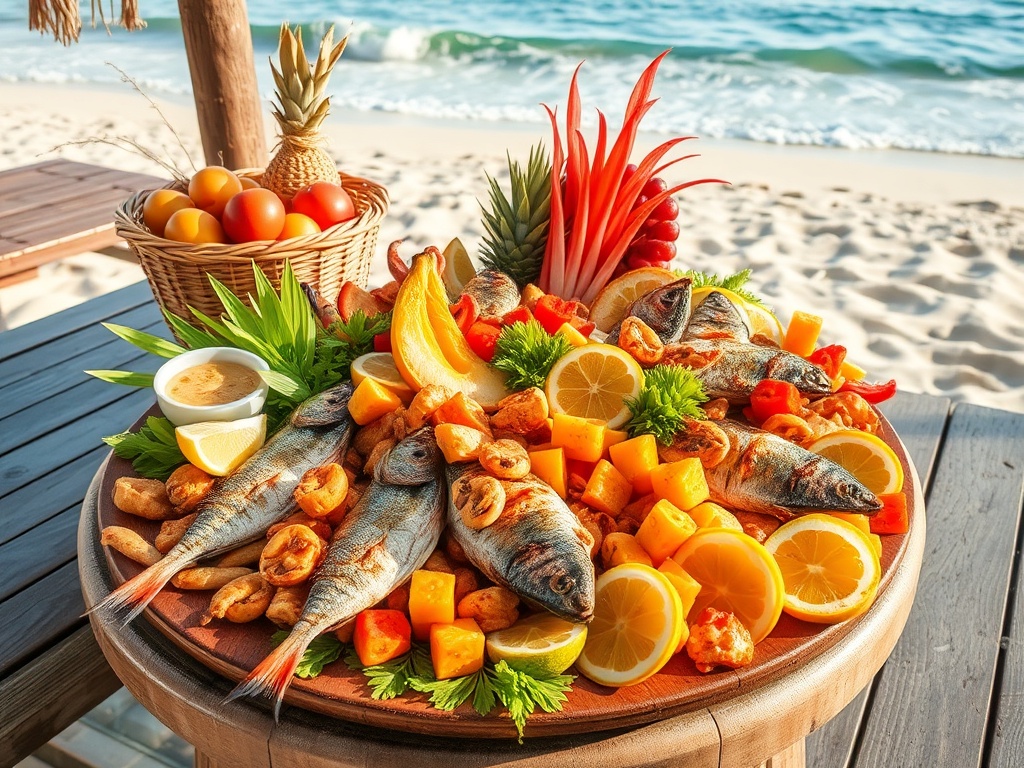
Skip international menus. Order what the region does best.
Beach destinations are defined by their food—fresh seafood, local spices, and simple preparation. The best meals are often the least fancy ones.
Protect Your Energy (This Is Underrated)

Sun, salt, and travel fatigue add up fast.
Hydrate more than you think. Take breaks from the sun. And don’t stack every day with activity—you’ll burn out halfway through your trip.
Know the Small Things That Matter
The details are where trips go sideways.
- Cash vs card availability
- Transportation from airport to hotel
- Tide schedules for certain beaches
- Safety and local etiquette
A little research here prevents a lot of friction later.
Final Take: Design the Trip You Actually Want
The best beach trips aren’t the most expensive or the most popular—they’re the ones that match your pace.
If you want slow mornings, design for that. If you want adventure, build around it. Everything else is noise.
Plan intentionally, keep it simple, and leave room for the moments you didn’t expect.