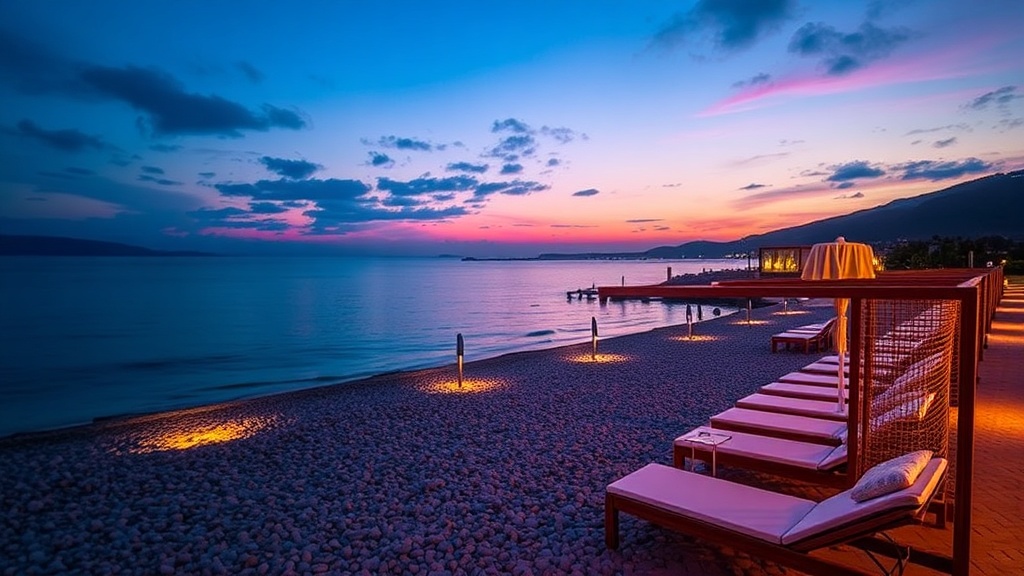
What to Know Before Booking a Mediterranean Beach Club Bed

This guide explains the pricing structures, social norms, and reservation strategies required to manage a day at a Mediterranean beach club without overspending or feeling out of place. Knowing these details matters because a day on the sand in Europe is often a structured, high-stakes social event rather than a simple trip to the shore with a towel. You'll learn how to handle the minimum spend, what to wear for the transition from sunbathing to late-afternoon dancing, and why you should never just show up without a WhatsApp confirmation.
What do Mediterranean beach clubs actually cost?
The price of a sunbed varies wildly depending on which country you're in and how close you want to be to the water. In spots like Mykonos or Saint-Tropez, a front-row bed—the ones that literally touch the sand where the waves break—can start at €100 and climb much higher. During the peak of August, these prime spots sometimes reach four figures for a large cabana. It's not just about the rental fee, though. Many clubs use a "minimum spend" model (a system where you pay for the bed and then must spend a specific amount on food and drinks). If you don't hit that number by the time the sun sets, they'll still charge you the full amount on your final bill.
In Italy, the system is slightly different. Most of the coast is divided into "stabilimenti balneari," which are private beach concessions. Here, you're usually paying for a set that includes one umbrella and two sunbeds. Prices are more reasonable in regions like Puglia or Sicily, where you might pay €30 to €50 for the day, but in the Amalfi Coast or Capri, those prices easily double. You should also watch out for hidden service fees. Some clubs add a flat "towel fee" or a "cover charge" per person for the restaurant that isn't mentioned when you first book your spot. It's always a good idea to check the club's website or latest TripAdvisor reviews to see what the current season's pricing looks like, as these numbers shift every year based on demand.
How do you book a front-row sunbed in peak season?
Don't expect to just walk up and find a prime spot at 11:00 AM in July. Most high-end clubs handle their entire reservation system through WhatsApp. This is the standard across much of Europe—you find the number on their Instagram profile, send a message with your name, date, and the number of guests, and wait for a confirmation. If you're staying at a local hotel, the concierge often has a direct line to the club manager. This is usually the most reliable way to get a bed in the first or second row, as managers hold back the best spots for their local partners. If you are a walk-in guest, aim to arrive right when the club opens—usually around 10:00 AM—and be prepared to take whatever is left in the back rows near the speakers or the restrooms.
Deposits are becoming more common for high-demand venues. You might be asked to provide your credit card details over a secure link or through an app like Beach-Inspector to hold the reservation. Be very careful with the cancellation policies. Many clubs won't refund your deposit if you cancel less than 48 hours in advance, even if the weather is less than perfect. If you're planning a trip to a popular island like Ibiza or Mallorca, booking your beds at the same time you book your flights isn't overkill—it's actually quite smart if you want to avoid the "sold out" signs that plague the most famous coastal stretches.
What should you wear to a high-end coastal club?
Beach club style isn't just about your swimsuit; it's about the "cover-up" game. While you're on your bed, a bikini or trunks are fine, but as soon as you step toward the restaurant for lunch or the bar for a drink, you'll need something more substantial. Men should have a high-quality linen shirt—leave the cotton t-shirts in the hotel room—and women typically opt for silk pareos, designer kaftans, or crochet dresses. Footwear is another place where many travelers get it wrong. While flip-flops are acceptable for walking from the car to the sand, many clubs expect wedges, stylish leather sandals, or loafers for the dining area. It's a "resort chic" environment rather than a casual "sand-and-surf" vibe.
As the afternoon progresses, the energy often shifts. Around 4:00 PM, the music usually gets louder, the magnums of rosé start appearing, and the atmosphere becomes more like a party than a lounge. If you plan to stay for this transition, your outfit needs to work for both. A wet swimsuit under a sheer dress might be okay at 1:00 PM, but it feels out of place once the DJ kicks into high gear. This is why many frequent club-goers bring a small "beach-to-bar" bag with a change of dry clothes or at least a fresh shirt. It’s also worth noting that many clubs have a strict dress code for their evening events—even if they're right on the water—so check the fine print before you head out for the day.
Service in the Mediterranean is generally slower than what you might experience in North American resorts. It is a culture of taking things slow, so don't get frustrated if your second bottle of water takes twenty minutes to arrive. The staff are often managing hundreds of guests across a wide area of sand. Tipping is appreciated but not mandatory in the same way it is in the US. In France, "service compris" means the tip is included in the price, but rounding up the bill or handing a few Euros to the person who set up your umbrella and adjusted your shade throughout the day is a kind gesture that ensures better service if you return the next day. In Greece and Italy, leaving a 5-10% tip at the restaurant is a good standard to follow if the service was attentive.
Most clubs are very strict about outside food and drink. Don't even think about bringing a small cooler or even a large bottle of water from the local mini-market. They will likely ask you to leave it at the entrance or tell you that it's not allowed on the premises. The markup on water can be steep—sometimes €8 or €10 for a glass bottle—but it's part of the price of admission for the prime real estate and the amenities. If you're looking for a more relaxed experience where you can bring your own snacks, look for the "Spiaggia Libera" (free beach) sections that are often sandwiched between the private clubs. You won't get the plush mattress or the umbrella service, but you'll save a significant amount of money. For more on the best coastal spots to visit, you can check out Lonely Planet's guide to European beach clubs.
The "beach boy" or "plagiste" is your main point of contact for the day. This person is responsible for setting up your towels, opening your umbrella, and often taking your initial drink order. Developing a good rapport with them can change your entire experience. They are the ones who know which beds will stay in the shade longest or which ones are far enough from the DJ booth to allow for a nap. If you're unhappy with your assigned spot, talk to them politely rather than demanding a move from the front desk. Often, they have the flexibility to shuffle things around as cancellations come in throughout the morning.