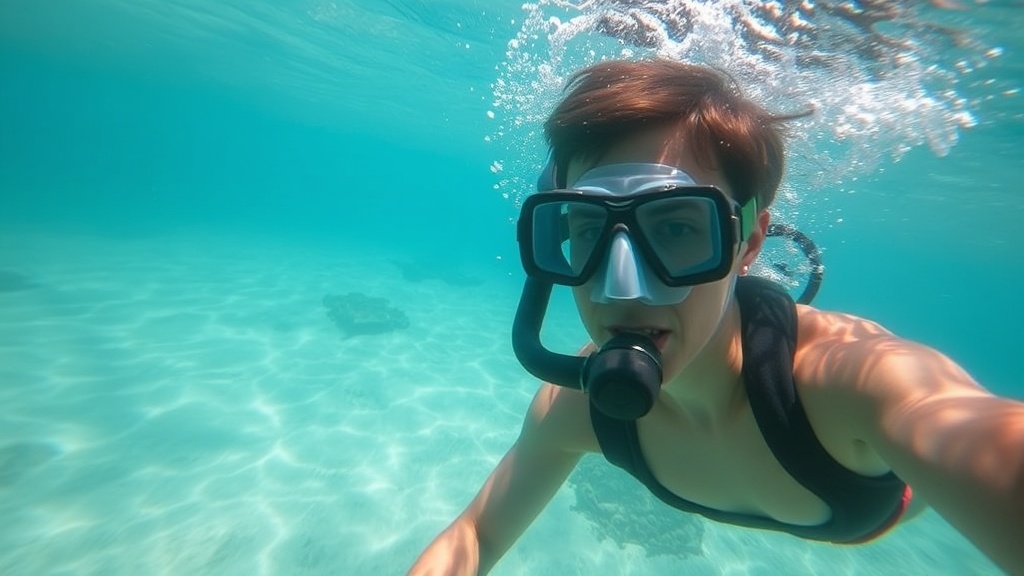
Why You Should Try Snorkeling in the Red Sea

The Red Sea contains approximately 10% of the world's known fish species, making it one of the most biodiverse marine environments on the planet. This guide explains why the Red Sea is a premier global destination for snorkeling, identifies the best locations for different skill levels, and provides practical logistics to ensure your underwater experience is safe and successful. Whether you are a beginner or an experienced free-diver, understanding the specific topography and seasonal variations of this region is essential for a successful trip.
The Biological Appeal of the Red Sea
Unlike many other tropical reef systems that suffer from heavy bleaching, the Red Sea reefs are remarkably resilient due to high salinity levels and unique water temperatures. This resilience means that even in years where other global reefs have struggled, the Red-Sea ecosystems remain vibrant and colorful. For snorkelers, this translates to high visibility and a high density of marine life that is often much closer to the surface than in the Pacific or Indian Oceans.
You can expect to encounter a wide variety of marine life, including:
- Clownfish: Often found in anemones, these are easily spotted in the shallower reefs of Sharm El Sheikh.
- Napoleon Wrasse: Large, distinctive fish that are common in the deeper channels.
- Sea Turtles: Green and Hawksbill turtles are frequently seen grazing on seagrass beds near the coast.
- Moray Eels: Look for these in the crevices of the coral formations, particularly during the early morning hours.
Top Snorkeling Destinations in the Red Sea
The Red Sea stretches between Africa and Asia, offering vastly different experiences depending on whether you land in Egypt, Jordan, or Saudi Arabia. For most travelers, the Egyptian coast offers the most accessible and diverse snorkeling opportunities.
Sharm El Sheikh, Egypt
Sharm El Sheikh is the hub for high-end snorkeling and diving. The area is famous for its "wall diving" and "wall snorkeling," where the coral shelf drops off into deep blue water. Ras Mohammed National Park is the standout location here. The sheer verticality of the walls provides a habitat for large schools of fish and even occasional reef sharks. If you are visiting Sharm, book a boat excursion specifically to Ras Mohammed to ensure you reach the most pristine reefs away from the crowded shorelines.
Marsa Alam, Egypt
If you prefer a more rugged, less commercialized experience, Marsa Alam is the superior choice. This region is known for its "Marsas"—natural bays or inlets that lead into the sea. Abu Dabbab Bay is a specific highlight where you have a high probability of seeing large sea turtles and the rare Dugong (sea cow). Because the water is often calmer in these bays, it is an excellent spot for novice snorkelers who might be intimidated by the open ocean currents found in Sharm El Sheikh.
Dahab, Egypt
Dahab offers a more bohemian, relaxed atmosphere compared to the resort-heavy Sharm El Sheikh. The snorkeling here is often shore-based, meaning you can walk directly from the beach into the water. The Blue Hole is the most famous site, though it is primarily a destination for advanced divers. For snorkelers, the nearby Canyon and the Lighthouse Reef offer incredible visibility and easy access. Dahab is ideal for travelers who want to manage their own schedule without being tied to a rigid boat tour itinerary.
Seasonal Timing and Water Conditions
To get the most out of your snorkeling trip, you must time your visit according to water temperature and visibility. The Red Sea experiences two distinct seasons: a hot summer and a mild winter.
Summer (June to August): Water temperatures can reach up to 30°C (86°F). While the warmth is comfortable, the heat can be intense on the boat during excursions. This is the best time for those who want to spend long periods in the water without feeling the chill.
Winter (December to February): Temperatures drop to around 21°C (70°F). While still manageable with a good wetsuit, the water can feel brisk. However, the wind is often lower during these months, which can result in exceptionally calm surface conditions, making it easier to float and observe marine life without being tossed by waves.
For a comprehensive checklist on what to bring for these varying temperatures, consult our ultimate guide to packing for your beach vacation.
Essential Gear and Safety Protocols
While many resorts provide rental equipment, bringing your own high-quality gear can significantly improve your experience. A well-fitting mask is the most critical component; a leak caused by a poor seal will ruin your visibility and comfort.
Recommended Equipment
- Tempered Glass Mask: Ensure it fits your facial structure to prevent fogging and leaks.
- High-Visibility Snorkel: A snorkel with a dry-top feature is helpful if you are snorkeling in areas with even slight chop.
- UV-Protection Rash Guard: The sun in the Red Sea is incredibly strong. A long-sleeved rash guard provides better protection than sunscreen alone, which can wash off in the water.
- Anti-Fog Solution: Use a professional-grade defogger or even a small amount of saliva to prevent your mask from clouding during your session.
Safety Best Practices
Snorkeling in the Red Sea is generally safe, but the environment requires respect. Always follow these rules to ensure a safe excursion:
- Never touch the coral: Coral is a living organism and extremely fragile. Touching it can damage the reef and potentially sting you with certain species of coral or even sea urchins.
- Observe the "No Fin" rule near reefs: When swimming near coral heads, keep your fins away from the structure. A stray kick can destroy decades of coral growth.
- Watch for currents: In areas like the Blue Hole or the deep channels of Ras Mohammed, currents can be strong. Always swim with the current rather than against it, and never snorkel alone.
- Use a surface marker buoy (SMB): If you are snorkeling in open water away from the shore, a bright orange buoy helps boat captains see you, preventing accidental strikes.
Navigating the Tourist Traps
Because the Red Sea is a major tourism hub, you will encounter many "budget" boat tours. While these can be a way to save money, they often lead to overcrowded sites where the marine life has been habituated to human presence, and the quality of the equipment is low.
To avoid these traps, look for operators that emphasize "Eco-Tourism" or "Small Group" excursions. These companies typically limit the number of guests per site, ensuring that you aren't competing with fifty other snorkelers for a view of a single sea turtle. Additionally, check reviews on independent platforms to see if the operator maintains their equipment well. A company that provides well-maintained, clean masks and fins is a sign of a professional outfit.
If you are looking for a luxury experience that prioritizes the environment, consider booking a liveaboard. While often marketed toward divers, many liveaboards offer snorkeling-specific itineraries that take you to much more remote and pristine reefs that day-trippers simply cannot reach.
Practical Logistics: Getting Around
Most travelers arrive via Hurghada or Sharm El Sheikh airports. From these hubs, you can easily reach the best snorkeling spots via organized excursions or private taxis. If you are staying in a resort, most will have a "Dive Center" on-site. I recommend using these centers for your excursions rather than booking with street vendors. The staff at resort dive centers are usually highly trained professionals who are intimately familiar with the local currents and weather patterns of the specific reef you are visiting.
Always carry a waterproof phone pouch or a dedicated underwater camera like a GoPro. The light penetration in the Red Sea is exceptional, meaning your photos will look professional even without advanced lighting. However, ensure your camera is in a secure housing to prevent salt-water damage to the seals.