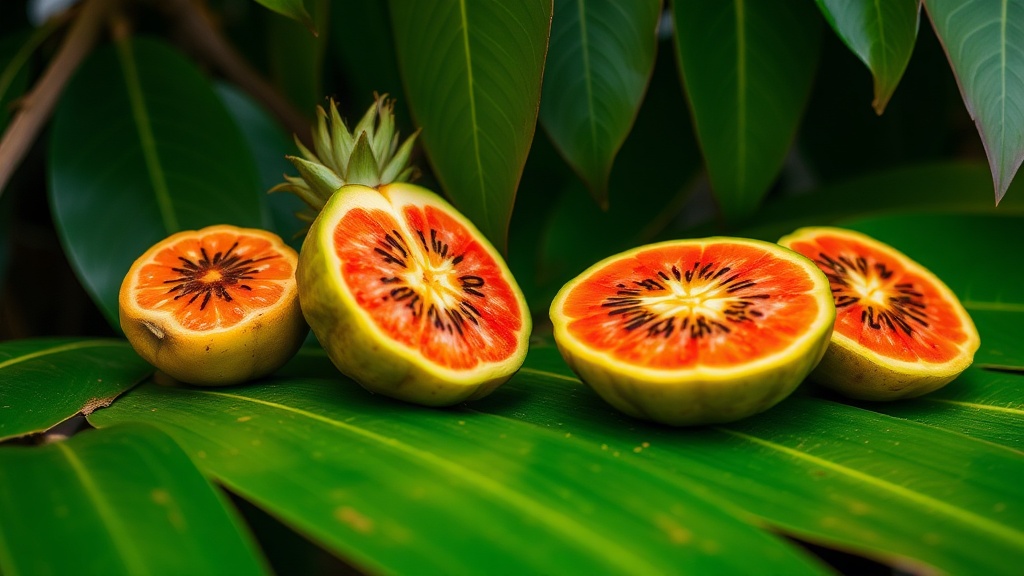
6 Tropical Fruits You Must Try on Your Next Island Trip

The Creamy Dragon Fruit
The King of Fruits: Durian
Sweet and Juicy Mangoes
Refreshing Rambutan
The Tropical Starfruit
Tangy Passion Fruit
A traveler stands at a vibrant local market in Phuket, staring at a pile of colorful, spiky, and unfamiliar fruits, unsure of which one is actually edible and which one might be a waste of money. This is a common scenario when visiting tropical destinations; the sheer variety of produce can be overwhelming, and without knowing what to look for, you might miss out on the most iconic flavors of the region. This guide identifies six essential tropical fruits you should seek out on your next island getaway, explaining exactly what they taste like, how to identify them, and the best way to enjoy them so you can eat like a local rather than a confused tourist.
Eating seasonally and locally is one of the best ways to experience a new culture. When you choose to eat fruit that is native to the islands you are visiting, you are getting produce at its peak nutritional value and flavor profile. It is also more budget-friendly than importing non-native fruits. To make sure your food excursions are successful, you might also want to learn how to find the best local street food near the beach to ensure you are eating in safe, high-quality environments.
1. Dragon Fruit (Pitaya)
Dragon fruit is one of the most visually striking fruits you will encounter in Southeast Asia and the Caribbean. It belongs to the cactus family and is easily recognizable by its bright pink or yellow skin and green, scale-like protrusions. While it looks exotic, the flavor is actually quite subtle and refreshing, making it an excellent choice for those who prefer lighter, less intense sweets.
What to look for
When selecting a dragon fruit at a market in places like Bali or Vietnam, look for a fruit that is slightly soft to the touch, similar to a ripe avocado. If it is rock hard, it is not yet ready to eat. The skin should be vibrant—usually a deep magenta—without significant bruising or dark soft spots. The white-fleshed variety is the most common, but you may also find the red-fleshed variety, which is much sweeter and contains more antioxidants.
How to eat it
The easiest way to enjoy dragon fruit is to slice it in half lengthwise and scoop the flesh out with a spoon. You can also peel the skin away and cut the flesh into cubes. It is frequently used in smoothie bowls or served chilled alongside a tropical salad. Because of its high water content, it is an excellent way to stay hydrated during a hot afternoon on the sand.
2. Mangosteen
Often referred to as the "Queen of Fruits," the mangosteen is a prized delicacy in tropical climates. It is a small, round fruit with a thick, deep purple rind. Inside, the fruit consists of several white, juicy segments that are incredibly fragrant. It is a staple in markets across Thailand, Malaysia, and the Philippines.
What to look for
To ensure you aren't buying a dud, check the stem. A green stem usually indicates the fruit is fresh. If the stem is brown and dried out, the fruit may be old. Additionally, press the rind gently; it should have a slight "give" but not be mushy. If the rind feels extremely hard and woody, the fruit inside may be dried out or fibrous.
How to eat it
Eating a mangosteen requires a little bit of technique. You can use a knife to score the thick purple rind around the middle, then pull the two halves apart. Alternatively, you can use your hands to squeeze the rind until it cracks. Once open, you will find the white segments inside. Be careful, as the juice can stain clothing, so it is best to eat these while sitting on a beach towel or a dedicated dining area. The flavor is a perfect balance of sweet and tart, often described as a mix of strawberry and peach.
3. Papaya
While papaya is available in many parts of the world, the quality of fruit found in tropical island markets is vastly superior to the bland, pale versions often found in Western grocery stores. In tropical regions, papayas are often eaten green (unripe) or fully ripe, offering two completely different culinary experiences.
What to look for
For a sweet snack, look for a papaya that has turned a golden-orange color. The skin should be smooth and the fruit should feel heavy for its size. If you are looking to make a savory dish like Thai Som Tum (green papaya salad), look for a papaya that is still firm and green with a bright, lime-colored skin. This version is crunchy and neutral in flavor, making it perfect for absorbing dressings.
How to eat it
To eat a ripe papaya, slice it in half and scoop out the small black seeds with a spoon. You can eat the flesh plain, squeeze a bit of fresh lime juice over it to brighten the flavor, or add a sprinkle of chili flakes for a sweet-and-sparing kick. For the green version, the fruit must be shredded using a mandoline or a vegetable peeler to create long, thin strips for salads.
4. Durian
Durian is perhaps the most controversial fruit in the world. Known as the "King of Fruits," it is famous for its intense, pungent odor that can even lead to it being banned from hotels and public transportation in Singapore and parts of Thailand. It is a polarizing experience: people either absolutely love it or find the smell completely off-putting.
What to look for
A high-quality durian will have a strong, distinctive aroma—this is unavoidable. However, you want to look for a fruit that is heavy and has a slightly sweet scent rather than a fermented or rotting smell. The spikes should be firm and not easily broken off. If you are buying from a vendor, they can often tell you exactly how ripe the fruit is based on the sound it makes when tapped.
How to eat it
Durian is usually sold in pre-cut sections or as a whole fruit that the vendor will open for you. The texture is thick, creamy, and custard-like. The flavor is complex, involving notes of almond, caramel, and onion. It is best eaten immediately after opening. Because of its density and high fat content, it is very filling. Do not be surprised if you feel a "warming" sensation in your body after eating it; this is a common sensation reported by enthusiasts.
5. Rambutan
If you see a fruit that looks like a bright red, hairy sea urchin, you have found a rambutan. Native to Southeast Asia, these small, oval fruits are a delightful snack. The name comes from the Malay word "rambut," which means hair, referring to the soft spines covering the skin.
What to look for
Look for rambutans that have a bright red or yellowish-red color. The "hairs" should be soft and pliable. If the skin looks brown or the hairs are brittle and falling off, the fruit is likely past its prime. Fresh rambutan should feel firm and juicy.
How to eat it
To get to the fruit, you can either squeeze the skin until it cracks or use a knife to make a small slit around the middle. Inside, you will find a translucent, white, jelly-like flesh surrounding a single seed. Note that the seed is edible but often has a slightly bitter taste, so most people prefer to spit it out. The flesh is sweet, juicy, and very similar to a lychee in texture and flavor.
6. Mango (Specifically Alphonso or Nam Dok Mai)
While mangoes are available globally, the varieties found in tropical islands are a different breed entirely. In India and Southeast Asia, you will encounter varieties that are significantly sweeter, more aromatic, and have much smoother textures than the standard varieties found in non-tropical climates.
What to look for
When shopping for mangoes in a tropical market, look for a fruit that is slightly soft when pressed. A mango that is hard is underripe and will be unpleasantly tart. The skin should be free of large bruises or mold. In Thailand, look for the "Nam Dok Mai" variety—it is incredibly long, slender, and has a very smooth, fiber-free texture that is perfect for eating fresh.
How to eat it
The most common way to eat a mango is to slice the "cheeks" off the large central pit. You can then score the flesh into a grid pattern and push the skin upward to create "mango cubes." This makes it easy to eat with your hands or a fork. Mangoes are also a primary ingredient in many tropical desserts, such as Mango Sticky Rice in Thailand. They pair exceptionally well with coconut milk and a hint of salt.
Pro Tip: When visiting local markets, always carry a small bottle of hand sanitizer or wet wipes. Many of these fruits require you to use your hands to peel or segment them, and you'll want to clean up before heading back to your beach towel.
Exploring the local fruit scene is one of the most rewarding parts of traveling to a tropical destination. Whether you are braving the scent of a durian or enjoying the subtle sweetness of a dragon fruit, these flavors are a direct connection to the land and culture you are visiting. Next time you find yourself at a beachside market, skip the imported snacks and opt for one of these six tropical staples instead.