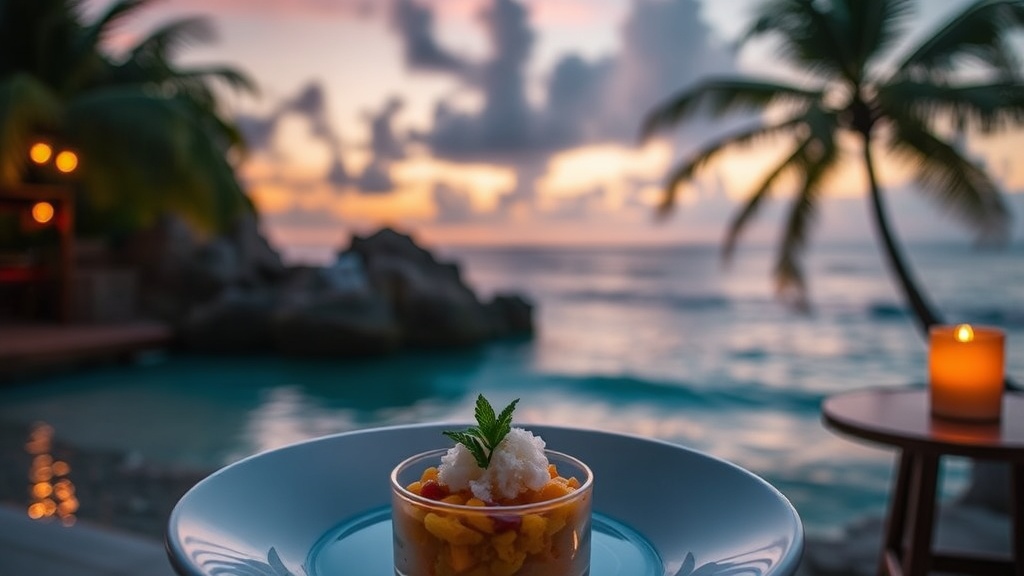
7 Coastal Flavors You Must Taste on Your Next Tropical Escape

Freshly Cracked Coconut Water
Spicy Grilled Seafood Skewers
Zesty Citrus-Infused Ceviche
Sweet Plantain Delights
Tropical Fruit Smoothie Bowls
Local Coconut Rice Dishes
Iced Tropical Fruit Teas
7 Coastal Flavors You Must Taste on Your Next Tropical Escape
Many travelers assume that eating at a beachfront resort is the best way to experience local cuisine, but that's a mistake that often leads to overpriced, mediocre meals. Real flavor lives in the street stalls, the local markets, and the small-batch kitchens far from the hotel lobby. This list identifies seven specific coastal flavors—ranging from seafood to tropical fruits—that define the authentic taste of the tropics. Knowing what to look for ensures you aren't just eating "tourist food," but actually tasting the culture.
Finding authentic food requires a bit of intuition. You want to look for places where the menu is short and the ingredients are seasonal. If a restaurant offers a thousand different items, it's likely a tourist trap. If they only serve three things, but those things are incredible, you've found gold.
What is the best way to find authentic seafood?
The best way to find authentic seafood is to look for "catch of the day" signs at local markets or small-scale fishmongers near the docks. You want to see fish that was literally in the ocean a few hours ago. In many tropical destinations, the most delicious meals aren't found in fine-dining establishments, but at seaside shacks where the chef's family has been grilling the same recipe for decades.
One of my favorite ways to track down high-quality seafood is to follow the locals. If you see a crowd of local workers or families gathered around a specific stall, pull up a chair. That’s where the real action is. It's a great way to practice sustainable seafood practices by supporting small-scale, local fishermen rather than massive industrial supply chains.
1. Fresh Coconut Water (The Natural Hydrator)
You can't visit a tropical coast without seeing a coconut tree, but don't just settle for the canned stuff from a grocery store. A young, green coconut cracked open right in front of you is a completely different experience. The water is slightly sweet, incredibly refreshing, and much more hydrating than any processed sports drink. It's the ultimate way to cool down after a morning on the sand.
2. Grilled Red Snapper with Lime and Chili
Red snapper is a staple in many tropical regions, from the Caribbean to Southeast Asia. When it's grilled over coconut husks or charcoal, the skin gets crispy while the meat stays incredibly tender. The addition of fresh lime juice and a hint of bird's eye chili provides that perfect hit of acid and heat. It’s simple, but it's the gold standard for a coastal lunch.
When you're planning your meals, keep in mind that food availability changes based on the season. If you're curious about how to prepare for your trip, check out my tropical beach packing guide to ensure you've got the right gear for outdoor dining.
How much does tropical fruit cost?
The cost of tropical fruit varies wildly depending on whether you are buying from a roadside stand or a high-end resort fruit platter. Generally, buying fruit directly from local farmers' markets or street vendors is significantly cheaper and much more rewarding. You can often find a massive, ripe mango or a handful of dragon fruit for just a couple of dollars.
Here is a quick comparison of how you'll encounter these flavors in different settings:
| Fruit/Dish | Street Vendor Price (Est.) | Resort/Hotel Price (Est.) | Authentic Experience Level |
|---|---|---|---|
| Fresh Coconut | $2 - $4 | $8 - $12 | High (if cracked on-site) |
| Mango Slices | $1 - $3 | $6 - $9 | High (at local markets) |
| Grilled Fish | $10 - $15 | $35 - $50 | High (at beach shacks) |
3. Salted Tropical Fruits
In many coastal cultures, particularly in Southeast Asia and parts of the Caribbean, salt is used to balance the intense sweetness of tropical fruits. Imagine slicing up a ripe papaya or green mango and sprinkling a bit of sea salt and chili powder over it. It sounds strange if you aren't used to it—the salt/sweet combo is a revelation—but it's a total game-changer for your palate.
4. Coconut-Based Curries and Stews
Coconut milk is the backbone of tropical cooking. Whether it's a Thai green curry or a Caribbean jerk seasoning, that creamy, fatty base carries the spices beautifully. The richness of the coconut milk helps mellow out the heat of the peppers, making it easy to enjoy even if you aren't a huge spice person. It’s pure comfort food.
If you're looking for more ways to prepare for your trip, don't forget to look into beach travel tips for 2026 to stay ahead of the curve. It helps to know what to expect before you land.
5. Spiced Plantains
Plantains aren't just bananas; they are a starchier, heartier version that reacts beautifully to heat. You'll see them served in many forms: fried (maduros), boiled, or even mashed. Fried sweet plantains are a staple side dish that provides a perfect savory-sweet balance to any seafood dish. They are addictive.
6. Local Spiced Rum and Fruit Infusions
Tropical drinks should be more than just a sugary cocktail. Look for drinks that use local infusions, like a classic Piña Colada made with real coconut cream or a spiced rum punch. If you can find a bar that uses fresh-pressed fruit juices rather than syrups, you've found a winner. This is a great way to support local agriculture and enjoy a drink that actually tastes like the destination.
Where can I find the best local food?
The best local food is found in non-tourist-centric areas, specifically near residential neighborhoods or local fishing harbors. Avoid the restaurants with large English-language menus and pictures of the food on the front. Instead, look for places with small, handwritten menus or places where the menu changes daily based on what was caught or harvested that morning.
I always suggest a "two-block rule." If you walk two blocks away from the main beach or the primary tourist drag, the prices usually drop and the quality of the ingredients goes up. It's worth the short walk to find a place that feels more like a local hangout than a tourist trap. You might even find hidden gem beach bars that offer much more character than the big resorts.
7. Sea Salt and Citrus Seasoning
Finally, don't overlook the simplest flavors. The best coastal meals often rely on the simplest seasoning: high-quality sea salt and fresh citrus. A squeeze of lime or a sprinkle of sea salt over a piece of grilled fish can make a world of difference. It's the essence of the ocean—clean, bright, and incredibly fresh. It reminds you exactly where you are.
When you're traveling, don't be afraid to ask the locals for their favorite spot. A simple question can lead to the best meal of your life. Just remember to be respectful of local dining customs and always tip appropriately if it's the norm in that culture.
The next time you're planning a trip, don't just look for the best beaches. Look for the best flavors. Your taste buds will thank you.