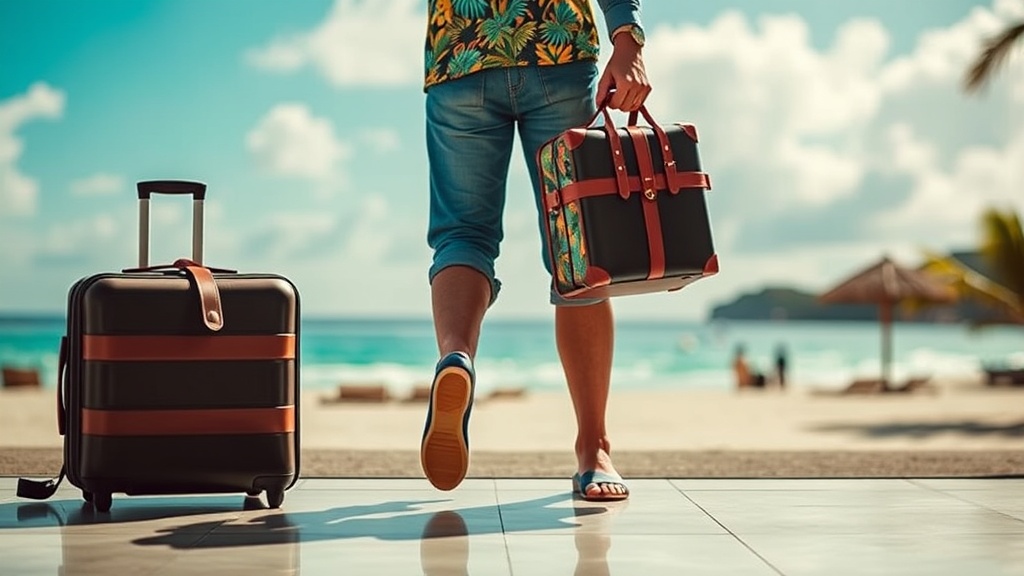
How to Master the Art of Packing a Tropical Carry-On

The Golden Rule: Less is More in the Tropics
There is a specific kind of magic that happens when you breeze through airport security with nothing but a single, well-organized carry-on. While most travelers are sweating over the weight of a massive checked suitcase, you are gliding toward your gate, knowing that everything you need for a week in paradise is right at your fingertips. After visiting nearly 40 coastal destinations across 12 different countries, I have learned that the secret to tropical travel isn't about bringing more; it is about bringing the right things.
Packing for a tropical climate presents a unique set of challenges. You have to account for high humidity, intense UV rays, sudden tropical downpours, and the transition from a scorching beach afternoon to a breezy, air-conditioned restaurant in the evening. To master this, you need a strategy rooted in versatility and fabric intelligence.
1. Build a Foundation of Eco-Friendly Fabrics
In a humid environment, your clothing is your first line of defense. Synthetic fabrics like polyester are the enemy; they trap heat and moisture against your skin, making you feel uncomfortable and damp. Instead, prioritize natural, breathable fibers. Linen is the undisputed king of tropical wear. It allows for maximum airflow and dries quickly, though you should embrace the natural wrinkles as part of the "effortless beach chic" aesthetic.
When selecting your pieces, I highly recommend looking into a spring capsule wardrobe focused on eco-friendly fabrics. Choosing organic cotton, hemp, or Tencel not only keeps you cool but also ensures your wardrobe is more sustainable. A capsule approach means every top works with every bottom, allowing you to create multiple outfits from just a handful of items. This is the most effective way to keep your carry-on lightweight without sacrificing style.
2. The Art of the "Layering System"
One of the biggest mistakes I see travelers make is forgetting that "tropical" does not always mean "hot." While the beach might be 85°F (29°C), the interior of an airplane, a high-end resort lobby, or a local boutique is often aggressively air-conditioned. To avoid being caught unprepared, always include a lightweight layer.
- The Oversized Linen Shirt: This is the most versatile item you can pack. It works as a beach cover-up, a light jacket for dinner, or a way to protect your shoulders from the sun.
- A Lightweight Pashmina or Scarf: This takes up almost zero space in a carry-on but is a lifesaver during long-haul flights or chilly evenings.
- Lightweight Trousers: A pair of linen or thin cotton trousers is essential for visiting local temples or more formal dining establishments where shorts might be inappropriate.
3. Footwear: The Three-Pair Rule
Shoes are often the heaviest and bulkiest items in a suitcase. To keep your bag within carry-on weight limits, I strictly adhere to the three-pair rule. Every pair must serve a distinct purpose:
- The Reliable Sandal: Choose a high-quality, waterproof sandal (like a leather slide or a durable rubber strap) that can handle both sandy boardwalks and a casual dinner.
- The Walking Shoe: Even in paradise, you will likely walk through cobblestone streets or tropical trails. A lightweight, breathable sneaker or an ergonomic walking sandal is a must.
- The "Special Occasion" Shoe: This could be a dressier wedge or a refined flip-flop. Ensure this pair is versatile enough to work with at least two of your outfits.
4. Mastering Toiletries and Sun Protection
In a carry-on, liquid restrictions are your biggest hurdle. Instead of bringing full-sized bottles, invest in high-quality, reusable silicone travel containers. This is also a great opportunity to align your travel routine with a more mindful lifestyle. For example, if you are looking to maintain your wellness routine while traveling, you might consider how to sync your meals and routines for bio-harmony to ensure your body stays regulated despite the change in environment.
The Tropical Essential Kit:
- Mineral Sunscreen: Reef-safe sunscreen is non-negotiable. Not only does it protect your skin from intense tropical UV rays, but it also protects the fragile marine ecosystems you've come to visit.
- After-Sun Care: A small tube of aloe vera or a soothing botanical gel is essential for skin recovery.
- Solid Toiletries: To bypass the liquid rule entirely, consider solid shampoo, conditioner, and even perfume. These are much easier to manage in security checkpoints.
- Insect Repellent: Tropical evenings often come with mosquitoes. A small, travel-sized repellent is a small price to pay for a restful night's sleep.
5. Tech and Connectivity
In the modern age, we are rarely truly "off the grid," even when we want to be. Whether you are a digital nomad or just someone who loves sharing beautiful sunset shots, your tech needs to be organized. I always keep a dedicated small pouch for all my cables and chargers to prevent tangling at the bottom of my bag.
If you find yourself needing to check emails or upload content while enjoying the ocean breeze, you don't have to hunt for a cafe. Knowing the best beach Wi-Fi hotspots can save you a lot of frustration, allowing you to stay connected without letting technology disrupt your relaxation.
6. Packing Techniques: Compression and Organization
How you put your items into the bag is just as important as what you put in it. To maximize the space in a carry-on, I recommend two specific methods:
The Rolling Method: Instead of folding your clothes, roll them tightly. This not only saves significant space but also minimizes deep creases in your linen and cotton garments. It is particularly effective for smaller items like t-shirts, shorts, and swimwear.
Packing Cubes: This is the game-changer. Packing cubes allow you to categorize your belongings—one for swimwear, one for tops, one for electronics. This prevents the "explosion" of clothes when you are looking for one specific item. It also makes it much easier to unpack and repack if you are moving between different locations during your trip.
"The goal of a carry-on is not just to save money on baggage fees; it is to grant yourself the freedom of mobility. When you aren't tethered to a heavy suitcase, you are truly free to explore."
7. Maintaining Wellness on the Go
Traveling to a new climate can often throw your body's natural rhythms off. The heat, the change in time zones, and the shift in diet can lead to fatigue or digestive discomfort. I always pack a few "wellness essentials" to help my body adjust. This might include herbal teas for sleep or electrolyte packets to stay hydrated in the humidity.
If you find that your travel schedule is affecting your energy levels, you might find it helpful to research how to align your meals with your circadian rhythm. Maintaining a sense of biological order, even while exploring a new coast, can make your tropical getaway feel much more restorative and less draining.
Final Checklist Before You Zip Up
Before you close your bag, do a final sweep. Ask yourself: Can I wear this in at least two different ways? Is this fabric breathable? Does this item serve a specific purpose? If the answer is no, leave it at home.
The "Don't Forget" Essentials:
- A reusable water bottle (stay hydrated in the heat!).
- A lightweight dry bag (essential for boat trips and protecting your tech from sea spray).
- A compact umbrella or a very lightweight rain shell.
- A small first-aid kit with bandages and antiseptic.
- A portable power bank.
Mastering the art of the tropical carry-on is a skill that pays dividends every time you travel. It reduces stress, saves time, and allows you to focus on what truly matters: the feeling of sand between your toes and the sound of the waves hitting the shore. Happy packing, and I'll see you at the beach!
Steps
- 1
Choose Breathable Fabrics
- 2
Utilize Packing Cubes
- 3
Select Multi-use Accessories
- 4
Plan Your Footwear Strategically