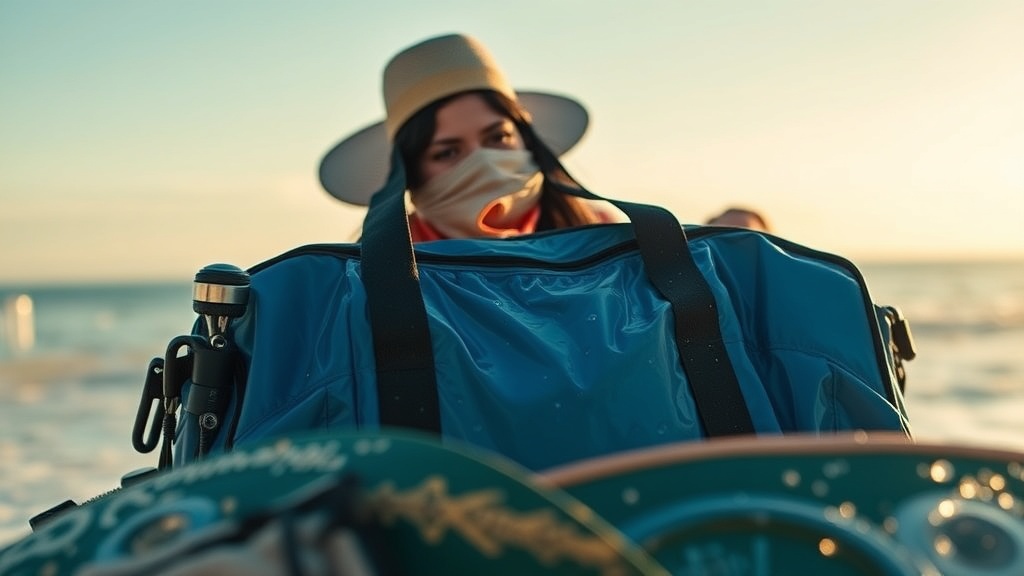
How to Pack a Waterproof Bag for Beach Days

Learn how to select, organize, and maintain a waterproof bag to protect your electronics, sun protection, and dry clothes from sand and saltwater.
A high-quality waterproof bag is an essential piece of gear for any coastal excursion, whether you are taking a boat to a remote cove in the Philippines or walking along the dunes in Maui. A standard backpack or canvas tote often fails when faced with unexpected waves, heavy tropical downpours, or the inevitable spray of saltwater. This guide provides a systematic approach to choosing the right material, organizing your essentials, and ensuring your valuables remain bone-dry throughout your beach day.
Choosing the Right Type of Waterproof Bag
Not all "waterproof" bags are created equal. Understanding the distinction between water-resistant and truly waterproof is critical to preventing damage to your expensive gear. There are three primary categories you will encounter in the travel market:
- Dry Bags (Roll-Top): These are the gold standard for beach travelers. They feature a top section that you fold down several times and clip shut. Brands like YETI and Sea to Summit produce highly durable versions that can withstand submersion. These are best for storing electronics, dry clothes, and heavy items.
- Dry Sacks (Lightweight): These are thinner, more collapsible versions of the roll-top bag. They are excellent for packing into a larger suitcase, but they offer less structural integrity. Use these for items that don't require much protection from impact, such as a change of clothes.
- Water-Resistant Totes: These are typically made of treated nylon or polyester. While they can handle a light mist or a splash, they are not suitable for protecting electronics during a boat ride or a heavy storm.
When selecting a bag, look for IPX ratings. An IPX7 rating means the bag can be submerged in up to one meter of water for 30 minutes, which is the minimum standard I recommend for anyone traveling to tropical destinations. If you are frequently on boats or near heavy surf, aim for an IPX8 rating.
The Layered Packing Strategy
The biggest mistake travelers make is tossing items loosely into a dry bag. This creates a disorganized mess and can lead to uneven weight distribution, making the bag uncomfortable to carry. Instead, use a "nested" approach to keep your items organized and protected.
The Inner Core: Electronics and Valuables
Your most sensitive items—smartphones, cameras, power banks, and passports—should never touch the exterior of the bag directly. Even in a waterproof bag, vibration and impact can cause damage. Place these items inside a secondary, smaller waterproof pouch or a high-quality silicone case. For example, a GoPro or a high-end DSLR should be housed in a padded, hard-shell case before being placed inside the main dry bag. This provides a double layer of protection against both moisture and physical shock.
The Middle Layer: Sun Protection and Skincare
Sunscreen, lip balm, and after-sun lotions are essential, but they can be messy if a bottle leaks. To prevent a single leaking bottle of sunscreen from ruining your electronics, place all liquids in a dedicated, leak-proof toiletry bag. I recommend using reusable silicone tubes rather than original plastic packaging, as they are more compressible and less likely to crack under pressure. This is particularly important when learning how to protect your skin and hair from intense tropical sun, as you will likely be carrying multiple products.
The Outer Layer: Clothing and Textiles
Clothing should be packed using the "roll method" rather than folding. Rolling clothes minimizes air pockets and allows you to fit more into the cylindrical shape of a dry bag. Use lightweight, quick-dry fabrics like linen or synthetic blends. If you are packing a beach towel, ensure it is a microfiber version; traditional cotton towels take too long to dry and add unnecessary bulk and weight to your bag.
Managing Sand and Saltwater Contamination
Even with a waterproof bag, sand is an inevitable part of the beach experience. Sand can easily find its way into zippers and seams, eventually grinding down the waterproof coating. To mitigate this, implement these three habits:
- The Shake-Out Rule: Before placing any item into your bag, shake it vigorously outside the bag to remove loose sand. Never reach into your bag with sandy hands or sandy feet.
- Use Microfiber Pouches: Instead of putting your sunglasses or phone directly into the bag, keep them in a small microfiber pouch. This prevents fine grains of sand from scratching lenses or entering charging ports.
- The Daily Rinse: At the end of your beach day, do not simply throw your bag in your hotel room. Rinse the exterior of the bag with fresh water to remove salt crystals and sand. This prevents the salt from degrading the fabric and the buckles over time.
Optimizing Weight and Accessibility
A fully loaded waterproof bag can become heavy and awkward to carry. To maintain mobility, especially if you are hiking to a remote beach or navigating a crowded boardwalk, follow these weight-distribution tips:
- Heavy Items at the Bottom: Place your heaviest items, such as water bottles or heavy camera gear, at the base of the bag. This keeps the center of gravity low and prevents the bag from feeling top-heavy.
- Frequent Items at the Top: Keep your sunscreen, lip balm, and phone in the top section of the bag. This allows you to reach them quickly without having to unpack the entire bag.
- Consider a Backpack Style: While many dry bags come with a single shoulder strap, I highly recommend choosing a model with a backpack-style harness. This distributes weight across both shoulders, which is vital if you are walking long distances to reach destinations like the hidden beach towns in Southeast Asia.
Maintenance and Longevity
To ensure your waterproof bag lasts through many seasons of travel, you must maintain the integrity of the seal. The roll-top mechanism is the most vulnerable part of the bag. If the plastic or fabric begins to fray or crack, the bag is no longer waterproof.
Cleaning Instructions: Avoid using harsh detergents or bleach, as these can break down the waterproof coating (DWR or TPU) on the bag. Use a mild soap and lukewarm water. If the bag has a persistent odor from sunscreen or saltwater, a mixture of water and a small amount of white vinegar can help neutralize it without damaging the material.
Storage Tips: Never store your waterproof bag while it is still damp. This can lead to mold and mildew growth inside the fabric. Always hang it in a well-ventilated area to air dry completely. Furthermore, avoid storing your dry bags under heavy objects in your suitcase; excessive pressure can permanently crease the waterproof lining, creating "weak points" where water could eventually seep in.
Essential Checklist for Your Waterproof Bag
Before you head out, run through this quick checklist to ensure you haven't missed a critical item:
- Primary Bag: 10L to 20L Dry Bag (IPX7 or higher).
- Secondary Protection: 1 Small Waterproof Pouch (for electronics).
- Liquids: Sunscreen, moisturizer, and insect repellent in leak-proof containers.
- Hydration: A reusable water bottle (insulated bottles keep water cold longer in tropical heat).
- Dry Clothing: One lightweight change of clothes (linen or synthetic).
- Personal Care: Small pack of biodegradable wet wipes and a small bottle of hand sanitizer.
By following these organizational and selection protocols, you ensure that your gear remains functional and your electronics remain safe, regardless of the weather or the environment. A well-packed waterproof bag is the difference between a stressful, gear-damaging day at the beach and a seamless, enjoyable coastal adventure.
Steps
- 1
Group items by frequency of use
- 2
Use smaller dry bags for organization
- 3
Seal the top using the roll-top method
- 4
Check for leaks before heading to the water