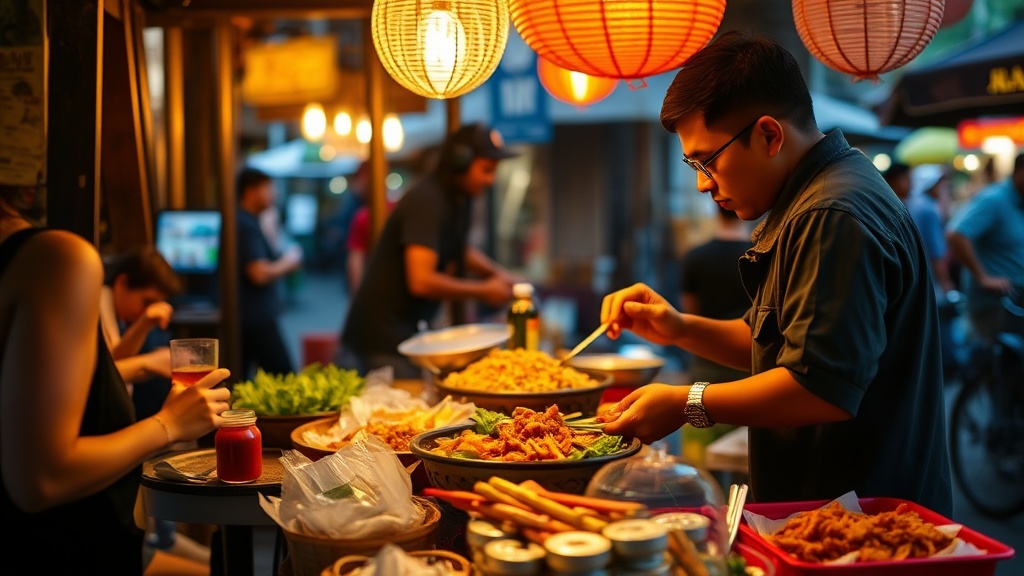
Finding the Best Street Food in Bali

A traveler stands on a busy corner in Ubud, staring at a row of colorful food carts. They want to try the local cuisine but are hesitant, worried about food hygiene or whether the flavors will be too intense. This hesitation is common, yet it often prevents visitors from experiencing the most authentic part of Indonesian culture. This guide provides practical strategies for identifying safe, delicious, and affordable street food in Bali, ensuring you can eat like a local without the guesswork.
How to Identify High-Quality Street Food
Finding great food on the streets of Bali requires looking for specific visual cues. You do not need to be an expert, but you should observe the environment of the stall or warung (a small, family-run business) before you order. High turnover is your best friend when traveling in tropical climates.
Watch the Turnover Rate
The best indicator of food safety and freshness is a high turnover rate. Look for stalls that are crowded with locals rather than just tourists. If a vendor is serving a constant stream of people, it means the ingredients are being replenished frequently and the food is not sitting out in the heat for long periods. A busy stall in a place like Sanur or Denpasar is a much safer bet than an empty one in a quiet corner of Seminyak.
Observe the Cooking Process
Whenever possible, choose vendors who cook your food to order. When you see a vendor grilling Sate Ayam (chicken skewers) over hot coals right in front of you, the high heat effectively kills most bacteria. Avoid stalls where large quantities of pre-cooked food are sitting in lukewarm water or under lukewarm heat lamps. If you see steam rising from a pot of Soto (soup), that is a good sign that the temperature is high enough to be safe.
Check the Oil and Ingredients
If you are eating fried foods like Bakwan (vegetable fritters), take a quick glance at the oil. The oil should be clear or golden. If it is dark, thick, and smoking heavily, it is a sign that the oil has been reused too many times, which can affect both the taste and your digestion. Similarly, ensure that fresh garnishes like cucumbers or raw sprouts look crisp and hydrated rather than wilted or slimy.
Essential Bali Street Foods to Try
Bali's street food scene is a mix of traditional Balinese flavors and broader Indonesian staples. If you are new to the region, start with these reliable classics that are widely available and generally easy on the stomach.
- Nasi Campur: This is a staple across the island. It consists of a scoop of steamed rice surrounded by various small portions of meat, vegetables, peanuts, and sambal. It is an excellent way to try several different flavors in one sitting.
- Sate Lilit: Unlike standard chicken skewers, this Balinese specialty uses minced meat (often fish or pork) mixed with coconut milk and spices, wrapped around lemongrass stalks. It is fragrant, savory, and a must-try in coastal areas.
- Gado-Gado: A nutritious option consisting of blanched vegetables, hard-boiled eggs, and fried tofu, all smothered in a rich peanut sauce. It is filling and provides a much-needed dose of fiber.
- Martabak Manis: For those with a sweet tooth, this thick, pancake-like street snack is filled with chocolate, cheese, or crushed peanuts. It is a popular evening treat often found at night markets.
While exploring these flavors, remember that staying hydrated is key to a successful food tour. If you are spending your days near the ocean, make sure you know how to protect your skin and hair from intense tropical sun, as the heat from street food stalls can add to your overall heat exposure.
Practical Tips for Food Safety and Hygiene
Eating street food is an adventure, but it should not result in "Bali Belly." Follow these practical rules to minimize your risk of stomach upset.
The Water Rule
Never drink tap water in Bali, and be extremely cautious with ice. While most high-end cafes use purified ice, smaller street vendors might use ice made from tap water. To be safe, stick to bottled water or Teh Botol (bottened jasmine tea) which is widely available and commercially produced. If you are ordering a juice, ensure the vendor is squeezing the fruit fresh in front of you and using filtered water to rinse the equipment.
Eat Hot and Fresh
The safest way to consume street food is to ensure it is served piping hot. Heat is a natural disinfectant. If you are ordering a dish like Mie Goreng (fried noodles), wait until it arrives steaming. Avoid raw salads or dishes that rely heavily on raw vegetables unless you are at an established restaurant. If a dish contains coconut milk, ensure it is served hot, as coconut milk can spoil quickly in the tropical humidity.
Hand Hygiene
Always carry a small bottle of hand sanitizer or antibacterial wipes in your bag. While many street food vendors provide a small bowl of water and soap, it is not always reliable. Clean your hands thoroughly before touching any food, especially if you are eating with your hands, which is a common practice in Indonesia. This is also a good habit to maintain when you are packing a waterproof bag for beach days, as sand and bacteria can easily transfer to your hands.
Where to Find the Best Food Hubs
While you can find food anywhere, certain areas in Bali are renowned for their culinary density and variety. Knowing where to head will save you time and ensure you find the highest quality options.
Ubud: The Heart of Traditional Flavors
Ubud is the center of Balinese culture and offers some of the most incredible traditional food. The area around the Ubud Art Market is a goldmine for Nasi Campur and various vegetable-based dishes. The food here tends to be slightly more herb-forward and uses a lot of local spices like turmeric and galangal.
Sanur: The Seafood Specialist
If you are looking for fresh seafood, head to the Sanur beach area in the evening. There are numerous stalls along the coastline where you can pick out fresh fish, prawns, and calamari to be grilled right on the spot. This is a great way to experience the "catch of the day" while enjoying the ocean breeze.
Denpasar: The Local's Choice
For a truly authentic experience away from the tourist bubbles, visit Denpasar. This is where the locals eat, and the prices reflect that. You will find massive night markets filled with everything from Bakso (meatball soup) to various types of fried snacks. The turnover here is exceptionally high, which often translates to better food quality and safety.
A Quick Checklist for Street Food Success
Before you sit down at a street-side table, run through this quick mental checklist to ensure you are making a good choice:
- Is the vendor busy? High turnover equals fresh ingredients.
- Is the food being cooked in front of me? Heat kills bacteria.
- Does the stall look clean? Check for organized surfaces and minimal clutter.
- Is the oil clear? Avoid dark, smoking oil in fried dishes.
- Am I drinking bottled or commercially prepared liquids? Avoid tap water and questionable ice.
By following these guidelines, you can confidently navigate the vibrant and delicious world of Balinese street food. The flavors of Bali are a reward for those willing to step slightly outside their comfort zone, and with a little bit of observation, you can enjoy every bite safely.