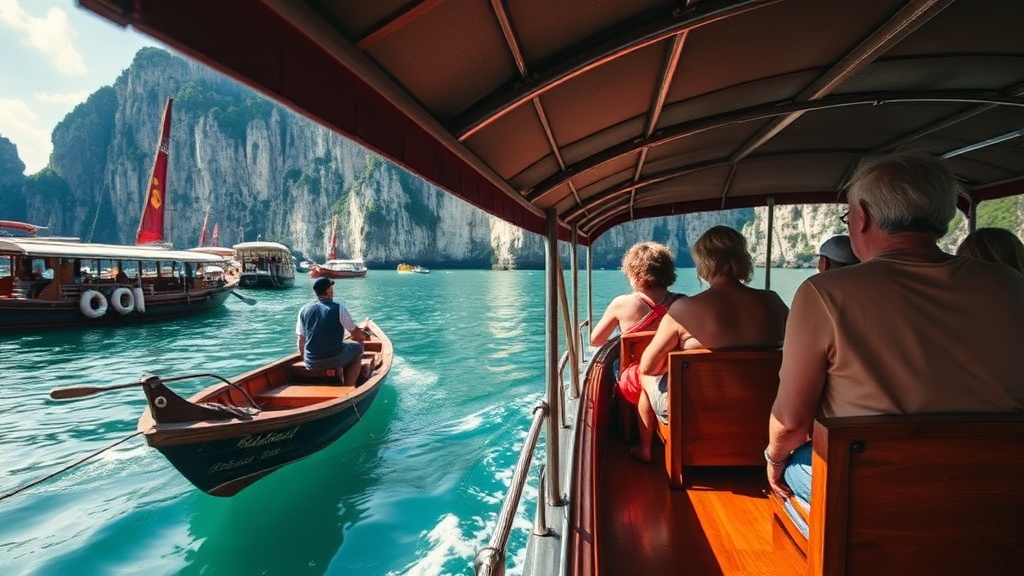
How to Spot a Safe and Reliable Local Boat Tour

Have you ever stood on a pier in a place like Phuket or the Amalfi Coast, looking at a dozen different colorful boats, and wondered which one actually has a working engine and a licensed captain? Choosing a local boat tour can be the highlight of a tropical vacation, but it also carries inherent risks regarding safety, equipment quality, and fair pricing. This guide provides a practical checklist to help you identify reliable operators, verify safety standards, and ensure your money goes toward a high-quality experience rather than a dangerous tourist trap.
Check for Official Licensing and Registration
The first step in vetting a boat tour is verifying that the operator is a legitimate business rather than an unregulated vendor. In many popular coastal destinations, such as the Greek Islands or the Caribbean, there are strict regulations regarding commercial maritime transport, but these are not always strictly enforced on the ground.
Look for Physical Documentation
A reputable tour operator will not hesitate to show you their credentials. If you are booking at a kiosk on a beach or at a pier, ask to see their commercial license or their vessel's registration papers. A legitimate business should have a physical office or a clearly marked stand with a business name and contact information. If the "operator" is just a person with a clipboard and no official branding, proceed with caution.
Verify Captain Qualifications
It is not enough for the boat to be registered; the person at the helm must be qualified. In many regions, captains are required to hold specific maritime certifications. You can often ask, "Is the captain licensed for this specific type of vessel?" or "Does the crew have maritime safety training?" A professional operator will be able to answer these questions confidently. If you are booking through a larger platform like Viator or GetYourGuide, check the reviews specifically for mentions of the captain's expertise and professionalism.
Inspect the Physical Condition of the Vessel
The state of the boat is a direct reflection of how much the operator cares about maintenance and passenger safety. You should never feel pressured to book a tour without at least getting a close look at the vessel itself.
The Hull and Engine
While you might not be an expert in naval architecture, there are obvious signs of neglect. Look for significant rust on metal fittings, large patches of unrepaired fiberglass, or excessive seaweed buildup on the hull, which can indicate the boat has been sitting neglected. If you can hear the engine running while you inspect it, listen for irregular knocking or heavy black smoke, which often signals an improperly maintained motor.
Deck and Seating Comfort
A safe boat should also be a functional one. Check that the seating is secure and that the deck is clear of tripping hazards like loose wires or cluttered gear. In tropical destinations where you might be moving between a boat and a sandbar, ensure the boarding area is stable. If you are planning on taking photos of the scenery, a well-maintained boat provides a much better platform for your gear. Using a waterproof camera is essential for these trips, but you need a stable, safe vessel to get those perfect shots.
Prioritize Safety Equipment and Protocols
Safety gear is the most important element of any maritime excursion. Do not assume that "everyone else is doing it" is a valid reason to skip safety protocols. A reliable operator treats safety gear as a standard requirement, not an optional add-on.
Life Jackets and Buoyancy Aids
A major red flag is a lack of life jackets or, even worse, life jackets that are damaged, moldy, or sized only for adults. If you are traveling with children, specifically ask if they have child-sized life vests. A high-quality operator will have a variety of sizes available, including specialized vests for snorkeling or even lightweight buoyancy aids for younger kids. Always count the number of life jackets to ensure there are more than the number of passengers on board.
Emergency and Navigation Tools
A professional boat should be equipped with more than just a motor and a steering wheel. Ask or look for the presence of:
- Communication devices: A VHF radio is the industry standard for contacting coast guards or nearby vessels.
- Navigation tools: GPS systems or up-to-date physical charts.
- First aid kits: A visible, waterproof first aid kit is a sign of a prepared crew.
- Fire extinguishers: These should be easily accessible and not expired.
Evaluate the Crew and Service Quality
The crew members are the people responsible for your experience and your safety during the tour. Their demeanor and knowledge can tell you a lot about the quality of the operation.
Communication and Language
While the crew may not speak your native language, they should be able to communicate essential safety instructions clearly. If you are booking a tour in a place like Bali or Thailand, ensure the crew can explain how to use the life jackets, where to sit for stability, and what the safety boundaries are for swimming. If the crew seems distracted, overly intoxicated, or uninteraged by safety protocols, it is a sign to find another operator.
Local Knowledge and Itinerary Transparency
A great local tour should offer more than just a ride; they should offer an experience. Reliable operators can explain the geography of the area, such as why a certain reef is better for snorkeling or the history of a specific island. If an operator is vague about their route or refuses to tell you where you are going, they may be cutting corners to save fuel or time. A transparent itinerary—including estimated departure and return times—is a hallmark of a professional service.
The "Too Good to Be True" Price Trap
In many tropical beach towns, there is a massive gap between "budget" tours and "luxury" tours. While you don't need to pay premium prices for a high-quality experience, the cheapest option is often the most dangerous.
Analyze the Value, Not Just the Cost
If one boat tour is half the price of all other nearby operators, ask yourself why. Is it because they use a smaller, less efficient engine? Do they skip the expensive fuel required to reach the best snorkeling spots? Or do they lack the insurance and licensing that the others have? A low price often means the operator is cutting corners on maintenance, safety gear, or crew wages. Instead of looking for the absolute cheapest, look for the best value—a tour that includes lunch, snorkeling gear, and a clear itinerary for a reasonable markup.
Watch Out for Hidden Fees
Unreliable operators often lure travelers in with a low base price, only to add "fees" once you are on the boat. This might include charges for snorkeling masks, life jackets, or even fuel surcharges. A reliable operator will provide a comprehensive list of what is included in the price upfront. If you are booking in person, always ask: "Does this price include all equipment, lunch, and taxes?"
Practical Steps Before You Board
Even after you have selected a tour, there are a few final things you should do to ensure a smooth and safe journey.
- Check the Weather Forecast: Do not rely solely on the boat captain's word. Use an independent app like Windy or check the local maritime weather reports. If the seas look rough, it is better to cancel and reschedule than to risk a turbulent ride.
- Confirm the Pickup Point: Ensure you know exactly where the boat will be docked. In many beach destinations, tides can change the docking location throughout the day.
- Pack Responsibly: Use a waterproof bag to protect your electronics and valuables. Knowing how to pack a waterproof bag will keep your items dry even if the boat hits a spray of saltwater or a small wave.
- Set a Return Time: Always tell someone on land or at your hotel exactly what time you expect to be back. If the boat is delayed, you will know when it is time to start making calls.
By following these steps, you move from being a passive tourist to an informed traveler. Taking ten minutes to inspect a boat and verify a license can be the difference between a mediocre afternoon and a safe, breathtaking adventure on the water.
Steps
- 1
Check for Life Jackets and Safety Gear
- 2
Look for Recent Online Reviews
- 3
Verify the Operator's Local Reputation
- 4
Ask About the Boat's Engine and Maintenance