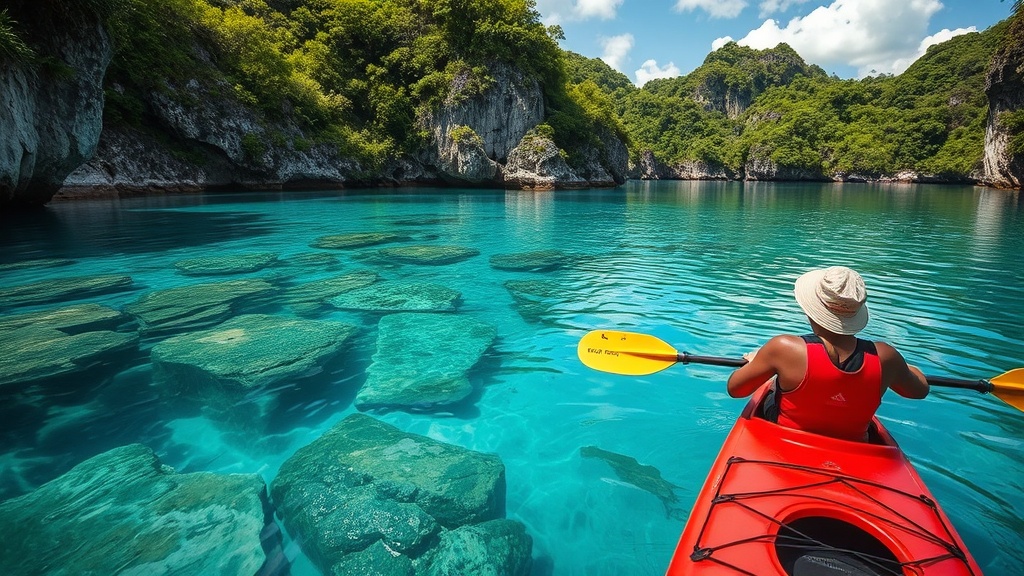
Navigating the Hidden Lagoons of Palawan: A Kayaker's Guide

There is a specific kind of magic that happens when the roar of the open ocean fades into a rhythmic, gentle lap against the hull of a kayak. In Palawan, Philippines, this transition isn't just a change in sound; it is a journey into another world. As a traveler who has explored dozens of coastal destinations, I can tell you that while many places claim to have "hidden gems," the limestone karsts and emerald lagoons of Palawan are truly in a league of their own.
However, navigating these waters requires more than just a desire for adventure. To truly experience the lagoons of El Nido and Coron without falling victim to the chaos of overcrowded tours, you need a strategy. Whether you are a seasoned paddler or a first-timer, this guide will help you navigate the tides, the terrain, and the logistics of exploring one of the world's most stunning archipelagos.
The Lay of the Land: Why Kayaking is the Ultimate Palawan Experience
Most travelers experience Palawan via a motorized banca (outrigger boat). While these are efficient for moving between islands, they are loud, disruptive to the local marine life, and—most importantly—they cannot enter the narrowest, most breathtaking parts of the lagoons. When you are in a kayak, you have the agency to move at your own pace. You can pause to watch a sea turtle glide beneath your transparent hull or drift silently into a limestone cove that a motorized boat would simply pass by.
Kayaking allows for a level of intimacy with nature that is impossible from a large vessel. It also allows you to escape the "tourist train" schedule. While the large boats are all arriving at the Big Lagoon at 10:00 AM, a kayaker can choose to head out at sunrise or linger until the golden hour, ensuring a much more serene and authentic experience.
Essential Gear and Preparation
Before you even touch the water, your preparation determines your success. Unlike a standard beach day, kayaking involves physical exertion and exposure to the elements. I always recommend a "less is more" approach to your gear to keep your vessel light and maneuverable.
The Packing List:
- Dry Bags: This is non-negotiable. Even on calm days, a splash from a wave or a clumsy movement can soak your belongings. Invest in high-quality, roll-top dry bags for your electronics and documents.
- Waterproof Phone Pouch: You’ll want to capture the scale of the limestone cliffs, but a dropped phone in a deep lagoon is a lost cause.
- Sun Protection: The tropical sun in the Philippines is relentless. Instead of just heavy creams, I suggest wearing lightweight, long-sleeved UPF clothing. If you are looking to build a functional travel kit, check out my guide on how to master the art of packing a tropical carry-on to ensure you have the essentials without the bulk.
- Hydration: You will lose more fluids than you realize through perspiration. Bring more water than you think you need.
Navigating the Big and Small Lagoons of El Nido
El Nido is the crown jewel of Palowel, and the lagoons here are legendary. Most people visit the Big Lagoon, but I often find that the Small Lagoon or the lesser-known inlets offer a more profound sense of solitude.
The Big Lagoon: The Icon
The Big Lagoon is massive and breathtaking, but it can also be crowded. To avoid the midday heat and the heavy traffic of tour boats, I recommend renting a kayak early in the morning. The water is often glass-calm at dawn, making it easier to navigate the entrance. Be aware that there are strict regulations regarding motorized boats in the Big Lagoon; this is why kayaking is actually the preferred way to see the interior without disturbing the peace.
The Small Lagoon: The Hidden Sanctuary
The Small Lagoon is often more intimate. The entrance is narrower, which can be intimidating for beginners, but once you are through, the sense of enclosure by the towering cliffs is unparalleled. It feels like a cathedral made of stone and water. If you are navigating through tighter spaces, keep your paddle strokes short and controlled to avoid hitting the limestone walls.
Mastering the Currents and Tides
This is where the "expert" part of my advice becomes crucial. Navigating a lagoon isn't just about direction; it's about understanding the water's movement. Lagoons are often connected to the open sea by narrow channels, and these channels can create unexpected currents.
1. Watch the Tides: A lagoon that looks deep and navigable at high tide might become a series of shallow sandbars at low tide. Always check the tide charts for El Nido before you head out. If the tide is going out, it can pull you toward the sea through the main entrance—use this to your advantage if you want a "free ride" out, but be careful not to get swept away if you aren't prepared.
2. Wind and Surface Chop: Even if the lagoon looks calm, the mouth of the lagoon can be quite choppy if the wind is blowing from the open ocean. When entering or exiting a lagoon, expect a bit of a struggle. Brace yourself and keep your center of gravity low.
3. The "Silent" Rule: When you are in the middle of a lagoon, the acoustics are heightened. The sound of your paddle hitting the water carries. I suggest practicing a "silent stroke"—a technique where you submerge the blade completely before pulling it through the water. This minimizes splashing and makes your journey much more meditative.
Sustainability and Ethical Exploration
As someone who has spent years advocating for responsible travel, I cannot stress this enough: Leave no trace. The ecosystems in Palawan are incredibly fragile. The coral reefs beneath your kayak are living organisms that can be easily damaged by even a slight touch.
Avoid dropping your paddle or any part of your gear into the water, as this can disturb the seabed. Furthermore, be mindful of your biological rhythm while traveling. Just as we seek to align our bodies with nature, we should align our travel habits with the environment. For more tips on living a more balanced, natural lifestyle, you might find my post on aligning meals with your circadian rhythm helpful for maintaining energy levels during high-activity trips.
Also, remember that many of the local communities rely on these waters for their livelihood. Support local kayak rental shops rather than large international tour operators whenever possible. This ensures your travel dollars go directly to the people who protect these waters every day.
Practical Tips for a Smooth Journey
- Rent Locally: Instead of booking a massive boat tour, look for local kayak rental stations in El Nido town. They often provide life vests and can give you real-time weather updates.
- Map Your Route: Download offline maps of the area. While you are in the middle of a lagoon, you won't have a signal, and you don't want to lose your bearings.
- Stay Hydrated and Nourished: Physical activity in high humidity can lead to quick exhaustion. If you are planning a long day of paddling, ensure you are eating foods that provide sustained energy. Understanding how to fuel your body is key; you can read more about simple meal timing hacks to help keep your energy stable throughout your adventure.
- Safety First: Never kayak alone in the lagoons. Even the most experienced paddlers can encounter an unexpected change in weather or a sudden cramp.
"The best way to see the world is not through a lens or a window, but through the rhythm of your own movement within it."
Navigating the hidden lagoons of Palawan via kayak is more than just a way to get from point A to point B. It is a way to slow down, to breathe, and to truly witness the majesty of the Philippines. It requires respect for the elements, a bit of physical grit, and a deep appreciation for the quiet moments. When you finally find that perfect, untouched cove, tucked away behind a wall of limestone, you will realize that the effort was worth every single stroke.