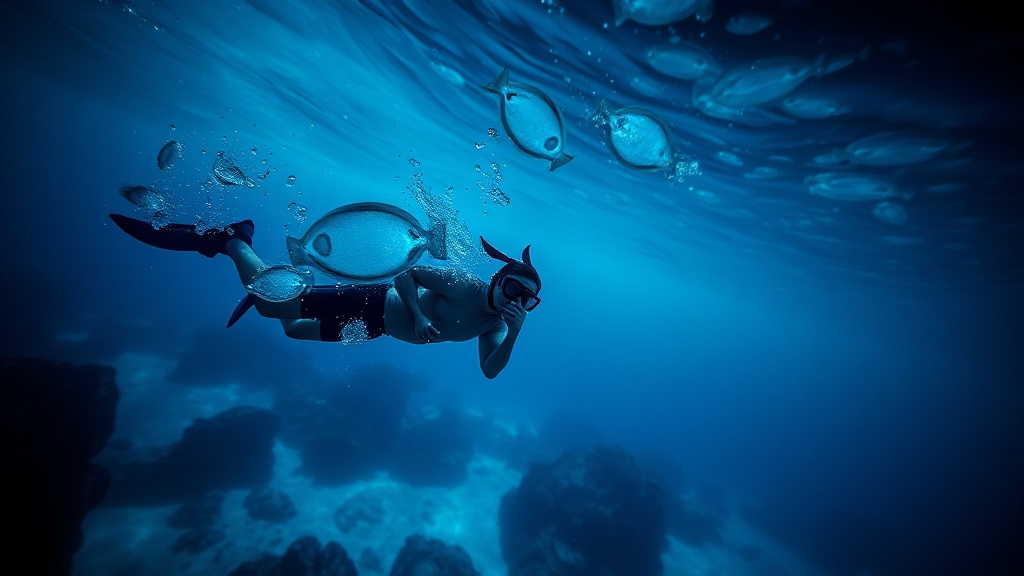
Why You Should Try Snorkeling in a Bioluminescent Bay

A single movement in the water can trigger a chemical reaction that produces a burst of light bright enough to illuminate the darkness around you. This phenomenon, known as bioluminescence, is caused by microscopic organisms called dinoflagellates that emit light when disturbed by physical movement. While most travelers focus on daytime activities like surfing or sunbathing, snorkeling in a bioluminescent bay offers a rare, high-sensory experience that transforms the ocean into a glowing, liquid galaxy. This guide explains exactly why this activity belongs on your tropical itinerary, where to find the best bays in the world, and the practical steps you must take to ensure a successful night swim.
The Science of the Glow
To appreciate the experience, it is helpful to understand what you are actually seeing. Bioluminescence in tropical waters is primarily driven by Pyrodinium bahamense, a type of bioluminescent dinoflagellate. These organisms are sensitive to mechanical stress. When you move your hands through the water or kick your fins, the agitation triggers a chemical reaction between a light-emitting molecule called luciferin and the enzyme luciferase. The result is a brilliant, neon-blue or turquoise glow that follows your every movement.
Unlike standard snorkeling, where you are looking for coral structures or fish, bioluminescent snorkeling is about the interaction between your body and the water. It is a kinetic experience. The more you move, the more the light responds. This isn't a static light show; it is a reactive, living environment that changes based on your physical presence in the water.
Why It Is a Must-Do Travel Experience
Most beach-based activities are predictable. You see the same coral reefs and tropical fish regardless of when you visit. Bioluminescent snorkeling, however, is highly dependent on specific environmental conditions, making it a fleeting and precious window of time. It offers several unique advantages over traditional daytime snorkeling:
- A Different Sensory Perspective: Traditional snorkeling relies on sunlight to reveal the colors of the reef. Bioluminescent snorkeling relies on movement and darkness, shifting your focus from visual color to light and motion.
- Lower Temperature Extremes: While the water remains warm in tropical regions, the air temperature often drops slightly at night, making the experience more comfortable than a midday swim under a scorching sun.
- Unmatched Photography Opportunities: While difficult, capturing the glow requires specialized techniques, providing a unique challenge for travel content creators.
Top Destinations for Bioluminescent Snorkeling
Not every tropical beach has a bioluminescent bay. These ecosystems require specific salinity levels, water temperatures, and nutrient concentrations to thrive. If you are planning a trip, look for these proven locations:
Vieques, Puerto Rico
Vieques is home to Mosquito Bay, which is widely considered the brightest bioluminescent bay in the world. The concentration of dinoflagellates here is exceptionally high, meaning even the slightest ripple creates a massive light show. Most tours depart from the town of Vieques and utilize small kayaks or paddleboards to reach the center of the bay where the glow is most intense.
Roatán, Honduras
The Bay Islands of Honduras offer excellent visibility and several spots where bioluminescence can be observed. The waters around Roatán are generally calmer, making it an ideal location for beginners who may be nervous about snorkeling in the dark.
El Nido, Philippines
The Philippines is a hotspot for marine biodiversity, and certain lagoons in El Nido exhibit bioluminescent properties. This is often part of a larger island-hopping itinerary. It is essential to check with local operators during the dry season, as heavy rainfall can dilute the salinity and temporarily diminish the glow.
The Maldives
While more elusive and often more subtle than the Puerto Rican bays, certain atolls in the Maldives experience "sea sparkles" during specific lunar cycles and water temperatures. This is often a byproduct of high plankton concentrations in the Indian Ocean.
Essential Gear and Preparation
Snorkeling in the dark requires more preparation than a standard daytime excursion. You cannot rely on your eyes to navigate, so your equipment must be reliable and visible.
Lighting and Visibility
Even though the water glows, you still need to see your surroundings to avoid obstacles like rocks or shallow coral heads. Do not use a high-powered flashlight or a bright spotlight directly into the water. The intense light will wash out the bioluminescence, making the glow invisible to your eyes. Instead, use a low-intensity red light or a dim headlamp to navigate your path. Red light is less disruptive to the natural light-producing reaction and preserves your night vision.
The Right Mask and Snorkel
Ensure your mask has a high-quality silicone skirt for a watertight seal. In the dark, a leaking mask is much more frustrating than during the day. A clear lens is preferable to a tinted one, as you want to maximize the light absorption from the bioluminescent organisms. If you are a frequent traveler, ensure you have properly packed waterproof gear to keep your electronics and dry clothes safe while you transition from the water to the boat.
Safety First: The Buddy System
Never attempt bioluminescent snorkeling alone. The combination of darkness and moving water can be disorienting. Always swim with a partner or, preferably, a guided tour. Professional guides know the topography of the bay and can lead you away from sharp coral or shallow areas that are invisible in the dark.
Expert Tips for the Best Experience
To get the most out of your night in the bay, follow these professional tips:
- Wait for the Dark: The best time for bioluminescence is during a new moon or when the moon is in a waning phase. Bright moonlight can actually make the bioluminescence harder to see by increasing the ambient light levels.
- Minimize Movement Initially: When you first enter the water, stay still for a few minutes. Let your eyes adjust to the darkness. Once your vision has adapted, start with small, gentle hand movements to see the reaction before moving into full snorkeling strokes.
- Avoid Sunscreen in the Water: Many chemical sunscreens can be harmful to the delicate dinoflagellates and the wider ecosystem. If you are participating in a guided tour, use reef-safe mineral sunscreens or, better yet, wear UV-protective clothing. This also helps protect your skin and hair from intense tropical sun during the day so you don't need heavy lotions at night.
- Check the Weather: Heavy rain can change the salinity of the water, which can temporarily "turn off" the bioluminescence. Always check the local forecast before booking a night tour.
Capturing the Glow: Photography Tips
Taking photos of bioluminescence is notoriously difficult because the light source is incredibly faint and moves rapidly. If you want to capture the magic, a standard smartphone camera often struggles without manual adjustments.
If you are using a DSLR or a high-end mirrorless camera, use a tripod or a floating stabilizer. Set your camera to a long exposure (at least 5-10 seconds) and use a low ISO to minimize grain. The key is to capture the movement of the water. If you use a flash, you will completely destroy the effect. Instead, rely on the natural light generated by the organisms and a very slow shutter speed. For smartphone users, look for "Night Mode" settings, but be prepared for a bit of trial and error.
Practical Logistics
Most bioluminescent tours are scheduled between 8:00 PM and 11:00 PM. This means you should plan your evening accordingly. Do not schedule a heavy dinner immediately before your tour, as the motion of the water—even in a calm bay—can cause nausea if you are feeling full. Wear clothes that are easy to change out of, as you will likely be wet and potentially sandy by the time you return to your accommodation. If you are worried about sand getting into your belongings after the tour, remember the simple towel trick to keep your gear clean.
Bioluminescent snorkeling is more than just a swim; it is a biological spectacle that offers a profound connection to the ocean's hidden life. By choosing the right destination, bringing the correct gear, and respecting the environmental sensitivity of these bays, you can witness one of the most spectacular natural light shows on Earth.